
Last updated November 15, 2026
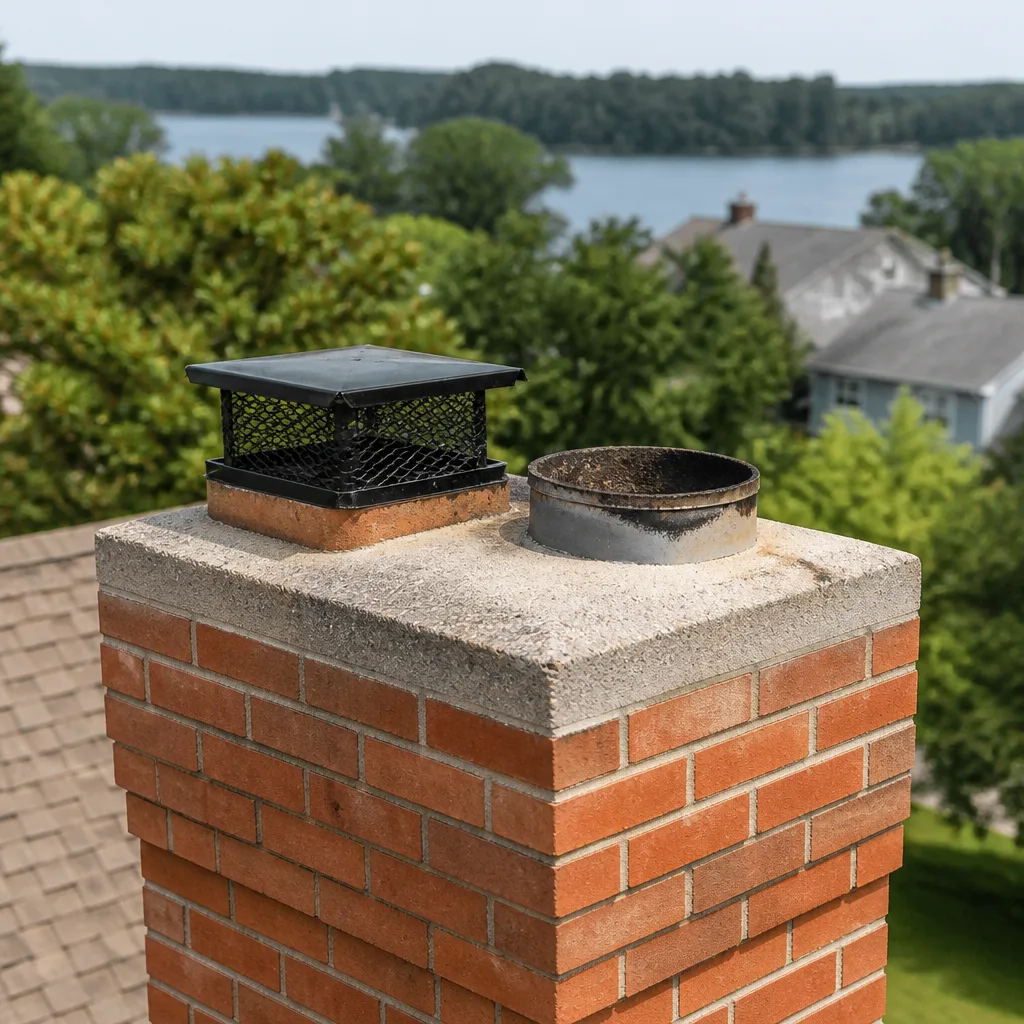 Sweep & inspection
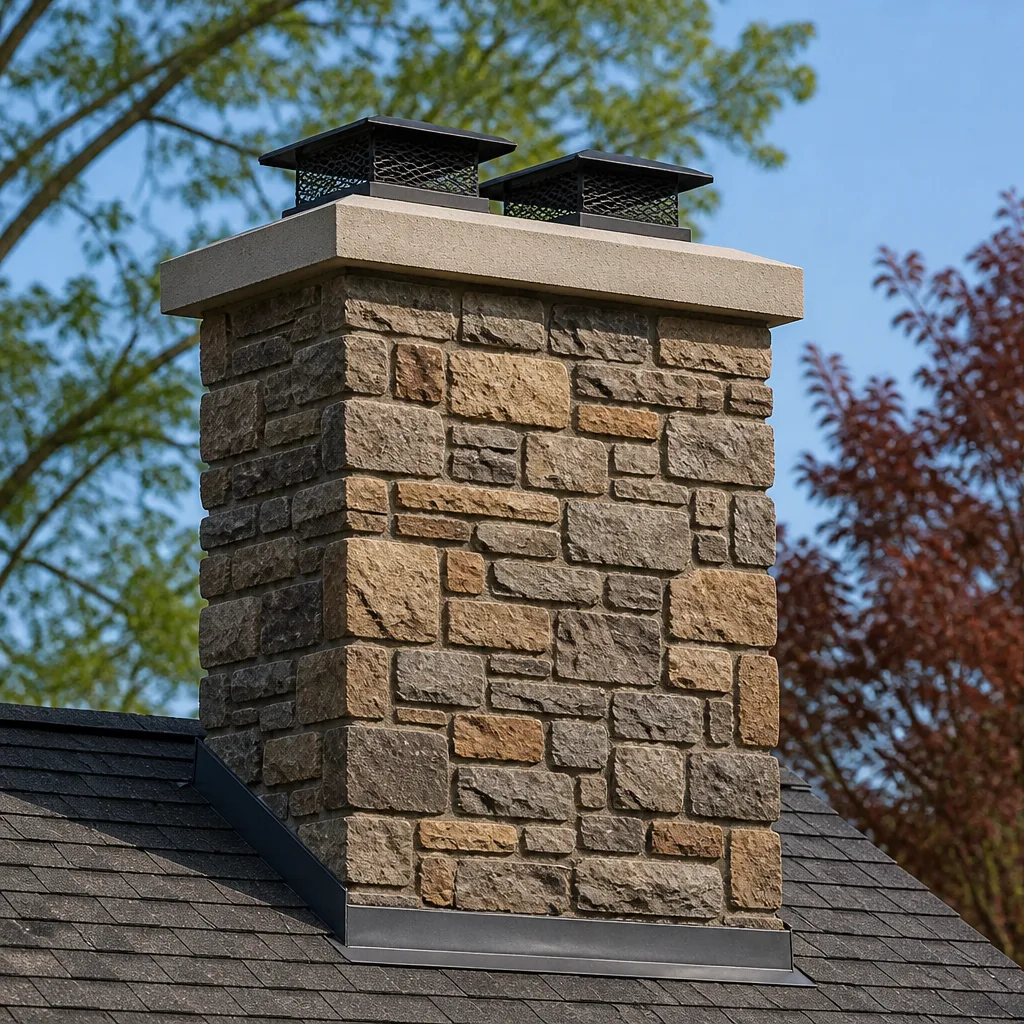 Caps & crowns
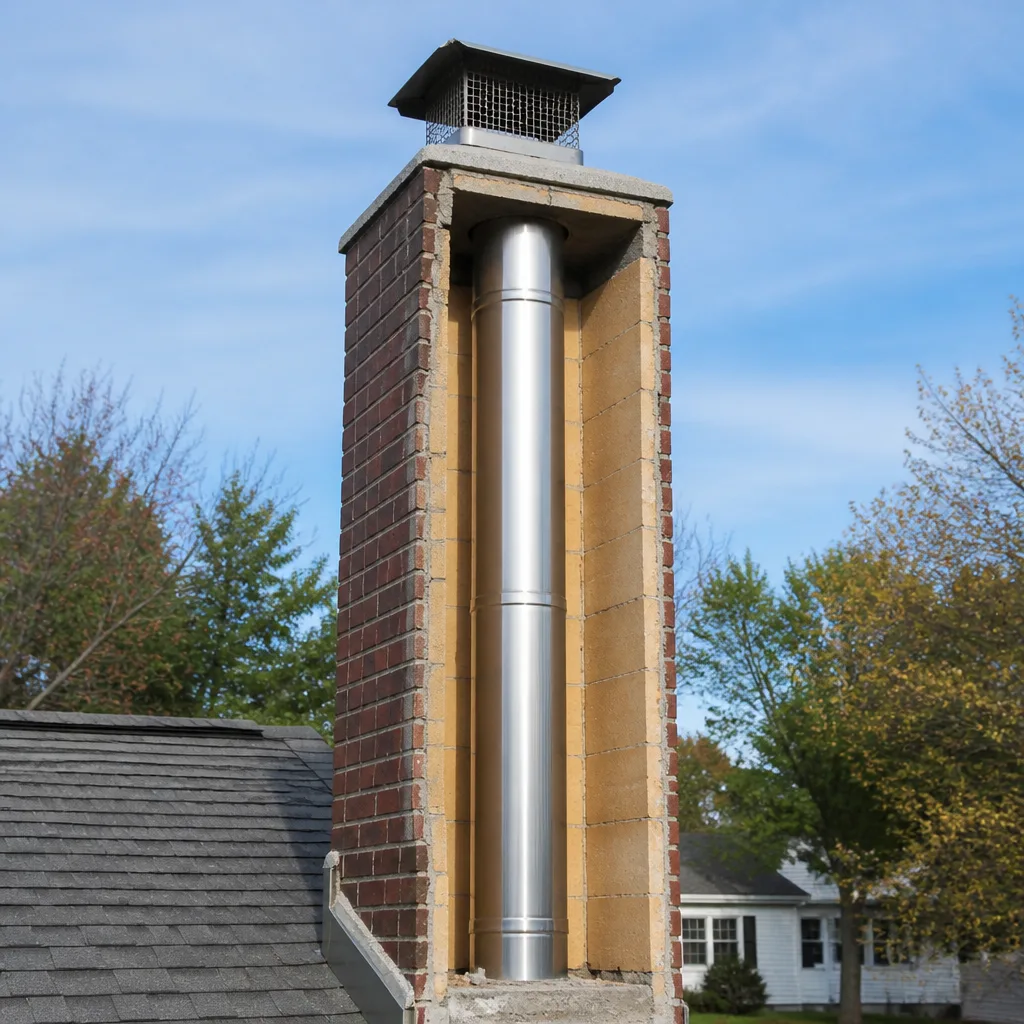 Flue relining
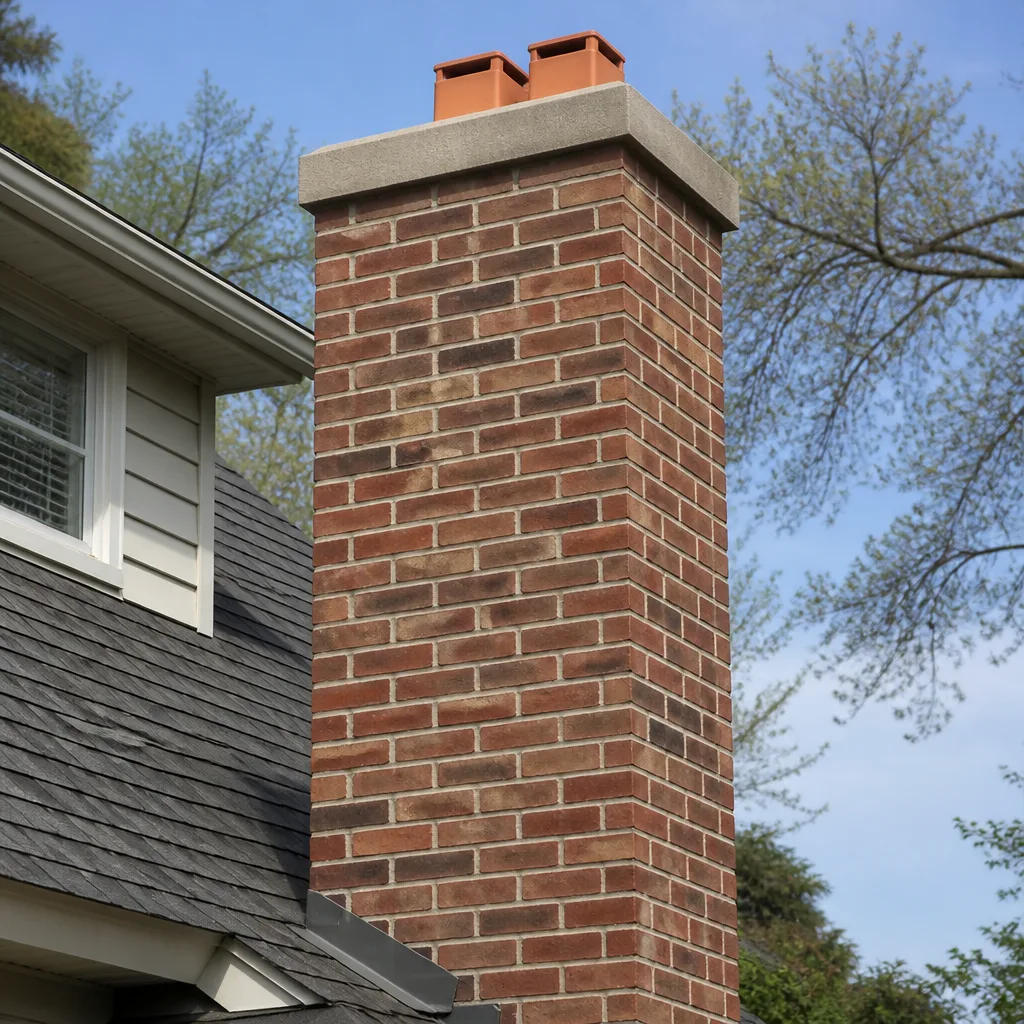 Masonry repair
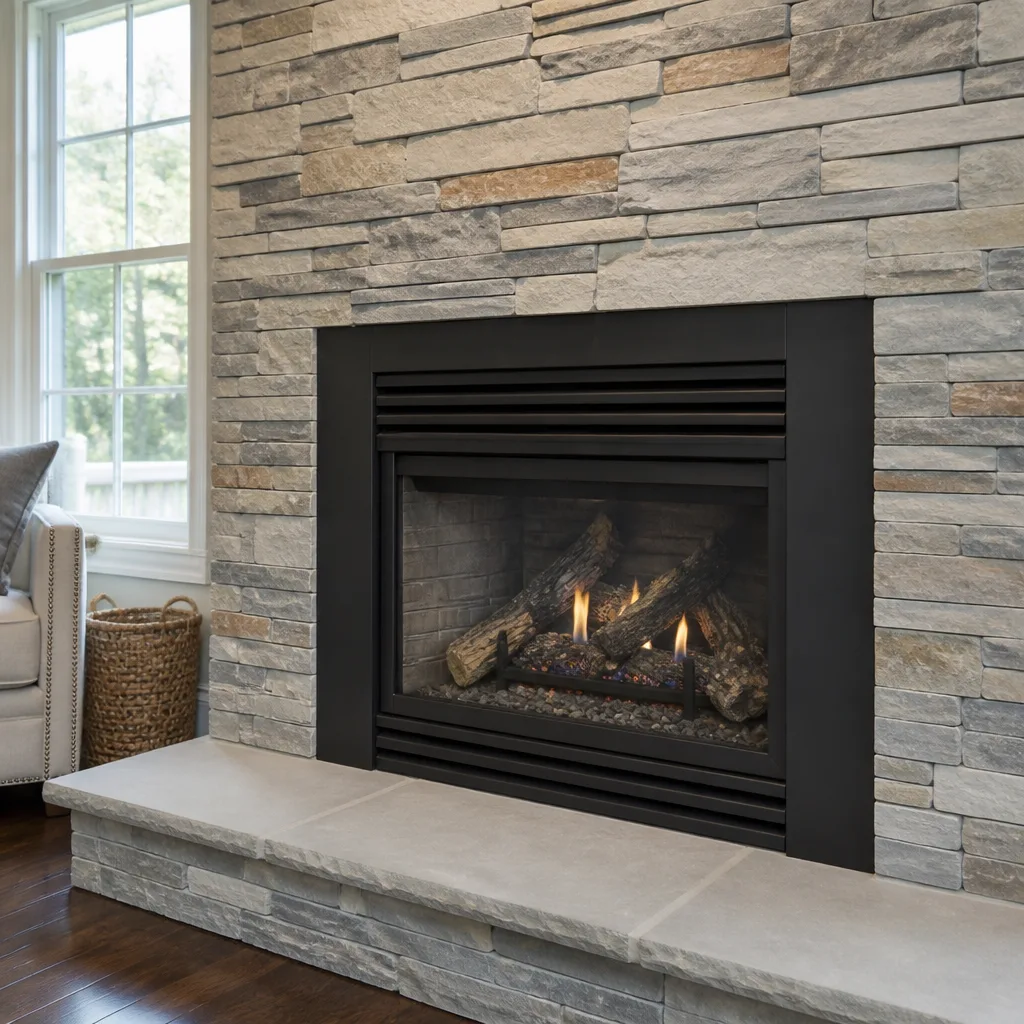 Gas fireplace service
Level 1 sweep and inspection to the NFPA 211 annual standard - flue, crown, cap, and flashing checked and photographed
Chimney sweep logs do not sweep chimneys. They loosen some creosote - which then falls where a brush and vacuum still have to collect it.
Seasonal Chimney Cleaning Care for Greensboro: Year-Round Homeowner’s Guide
Most homeowners in Greensboro treat the chimney as a fall project. Book a sweep in October, burn through winter, forget about it until the next October. That schedule leaves the flue exposed through the two seasons that do the most quiet damage. Spring and summer in the Piedmont are warm and humid, and a chimney that isn’t in use becomes a condensation chamber. Moisture works on whatever creosote is already stuck to the flue walls. This guide walks through what each of Greensboro’s four seasons does to a chimney system, when to book service relative to the first burn date, and which mid-winter signals tell you something is wrong before it becomes a repair.
Quick Answer
Seasonal chimney care in Greensboro means treating the system as a four-season concern, not a single fall appointment. The highest-value service window is late summer or early fall, before the first burn, and the most overlooked risk period is spring and summer, when humid air condenses inside an idle flue and degrades existing creosote. A sweep and inspection once a year, timed ahead of the burn season, plus a quick visual check of the crown and exterior after winter, covers the core of it.
Styles & brands we work with
- Sweep & inspection
- Caps & crowns
- Flue relining
- Masonry repair
- Gas fireplace service
Table of Contents
- Why Greensboro’s Four Seasons Each Affect Your Chimney
- What Happens Inside a Greensboro Flue in Spring and Summer
- The Fall Preparation Timeline: When to Book Relative to Your First Burn
- Mid-Winter Signals That Point to a Flue Problem
- Post-Winter Assessment: Freeze-Thaw, Crowns, and Spalling Brick
- How Shoulder-Season Burning Adds Up
- How Often Should a Greensboro Chimney Be Swept?
- The Chimney as a System, Not a Set of Parts
Why Greensboro’s Four Seasons Each Affect Your Chimney
A chimney in Greensboro lives through four distinctly different environments, and each one stresses the system in a different way. Winter is the obvious one, with active fires and hot flue gases. Spring brings warmth and humidity against a flue that has just gone cold. Summer holds that moisture in place for months. Fall is the transition, and it’s the season when the accumulated effects of the previous three start to show.
Treat the chimney as a system and the seasonal picture gets clearer. The flue, the liner, the cap, the crown, the firebox, and the smoke chamber all interact. A cap that’s doing its job keeps rain and animals out. A liner that’s intact keeps heat where it belongs. A crown that sheds water protects the brick below it. When any one of those starts to fail, the others take on load they weren’t designed for.
What most homeowners miss is that the calendar matters as much as the condition. A chimney swept in September is clean going into the burn season. A chimney swept in November is clean going into the coldest, heaviest part of it, but the homeowner spent the first few fires of the year burning on a dirty flue. Timing isn’t a technicality. It changes what the sweep actually achieves.
If you’re reading this and you’re not sure when your chimney was last serviced, the honest answer is to book a chimney sweep and an inspection and get a baseline. From there, the seasonal calendar becomes something you can work with instead of guess at.
What Happens Inside a Greensboro Flue in Spring and Summer
Spring is the most damaging season for a chimney that isn’t actively being used. Warm, humid Piedmont air moves into a flue that’s still cold from winter, and it condenses on the creosote already coating the walls. That condensation is not neutral water. Creosote is acidic, and when it absorbs moisture it becomes corrosive and, over a season, converts from dry, flaky stage-two deposits into glazed, hard stage-three deposits that are far more difficult to remove.
Stage-three creosote is the problem case. It doesn’t respond to a standard sweep brush the way dry creosote does. It often needs chemical treatment or, in heavier cases, mechanical removal with specialized tooling. That’s a longer service and a larger repair, and it starts with nothing more than a humid spring and an idle flue.
The good news is that most of this is preventable with simple, non-technical measures:
- Keep the damper closed when the fireplace is idle. An open damper is an open door for humid air, and in Greensboro’s summer that air is loaded with moisture.
- Make sure the cap is intact and properly fitted. A missing or damaged cap lets rain straight into the flue and accelerates everything described above.
- Check the firebox for standing moisture after heavy summer storms. If you see water stains on the firebox brick or a persistent musty smell, the cap or crown is failing somewhere.
- Don’t burn in summer unless you need to. Short, hot fires in a cold flue produce more creosote, not less.
A closed, capped flue dramatically reduces moisture intrusion, which directly slows the creosote degradation. That single habit, applied consistently through a Greensboro summer, does more to protect the liner than almost anything else a homeowner can do between service visits.
The Fall Preparation Timeline: When to Book Relative to Your First Burn
The single most predictable mistake we see in Greensboro is homeowners waiting until the first cold snap to book service. By then, the calendar is already working against them. Chimney appointment slots fill fast once the first cool week hits, and a homeowner who calls in early November often ends up waiting while the burn season starts without them.
The better approach is to book ahead of the expected first burn date, not after it. Here’s how we’d frame the timeline for a typical Greensboro household:
- Late August to mid-September: The ideal service window. Book a sweep and inspection now, while appointment availability is open and before the season ramps up.
- Mid to late September: Complete any repairs the inspection identifies. This is the window where a cap replacement, a crown repair, or a liner recommendation can still be scheduled without pressure.
- Early October: The first burn. A clean, inspected flue going into the season means you’re not guessing at the condition of the system.
- Late October through December: The backlog window. If you haven’t booked by early October, appointment availability narrows and wait times extend.
If you’re already into November and haven’t booked, book anyway. Late is not the same as never. A sweep in December still gives you a clean flue for the coldest months, and it’s far better than burning through a season on a flue that hasn’t been checked. Call (888) 366-5537 for a free estimate and we’ll find you a slot on the calendar.
For homeowners in the older neighborhoods around Fisher Park and Lindley Park, where chimneys tend to be original brick from a much earlier build, the fall window is the right time to have the crown and exterior mortar checked alongside the sweep. Winter is not the season to discover a failing crown.
Mid-Winter Signals That Point to a Flue Problem
Once the burn season is underway, the chimney is in active use every week, and small problems show up as small signals. The homeowner who knows what to watch for catches a flue problem in December instead of March. Here’s what we look for during the season itself:
- Smoke that rolls back into the room instead of drafting up. A brief puff on lighting is normal. Persistent smoke on every fire means the draft is compromised, and a blocked or partially obstructed flue is the usual cause.
- A smell in the room when the fireplace isn’t lit. This often points to a downdraft pulling cold air and creosote odor down the flue, and it can indicate a cap or flue geometry issue.
- Smoke that smells stronger than it used to, or a creosote smell that lingers for hours after a fire. A normal burn clears. A lingering smell suggests deposits are building up faster than they should.
- Visibly darker or thicker smoke than in previous years. Dark smoke is unburned fuel, and it means creosote is accumulating on the flue walls as you burn.
- Glass doors that blacken quickly, or a firebox that stains faster than it used to. Both point to incomplete combustion, which is a draft and airflow issue more often than a firewood issue.
If any of those show up, don’t wait for spring. A mid-season inspection tells you whether it’s something simple (a partially closed damper, a bird’s nest in the cap) or something that needs the flue looked at by a professional before it gets worse. We answer 24/7, and a call outside dispatch hours is booked into the next opening, Sunday through Friday, 7am to 7pm.
Post-Winter Assessment: Freeze-Thaw, Crowns, and Spalling Brick
Greensboro gets cold enough in winter for freeze-thaw cycles, and those cycles are hard on older masonry. Water gets into a brick or a mortar joint, freezes, expands, and pushes the material apart from the inside. Repeat that a few times across a winter and the surface starts to flake and spall. The crown, that sloped concrete cap at the top of the chimney, is the first place this shows up, and it’s the part most homeowners never see.
Spalling is the term for the surface flaking off a brick or a piece of concrete. It looks like a peeling, crumbling surface, and on a chimney crown it usually means water has been getting in through a crack for a while. Left alone, a failing crown lets water into the brickwork below, which is where the repair gets expensive.
A post-winter check is straightforward:
- Look at the crown from the ground with binoculars if you can. A visible crack, a crumbling edge, or a crown that no longer slopes away from the flue is a sign to have it looked at.
- Walk the exterior of the chimney at ground level. Look for loose or missing mortar joints, flaking brick faces, or white chalky staining on the brick.
- Check the cap for damage or displacement. A winter storm is the usual culprit, and a displaced cap is an open door for spring rain.
- Schedule the spring inspection if anything looks off. A crown repair in April is a small job. The same crown addressed after another winter of water intrusion is not.
The chimney as a system only holds together if the parts at the top are doing their job. A crown that sheds water protects the liner, the smoke chamber, and the firebox below it. Our technicians have up to 11 years of experience reading exactly this kind of post-winter damage, and a chimney repair scheduled in spring is almost always a smaller job than the same repair delayed to fall.
How Shoulder-Season Burning Adds Up
Greensboro’s shoulder seasons, October and March, get treated as off-season. A few cool evenings, a fire in the fireplace, then nothing for a week. It feels light. It isn’t, from the flue’s point of view.
Creosote forms when flue gases cool too quickly on their way out, and a fireplace that’s lit for one cool evening and then left cold for several days produces more creosote per fire than a fireplace that’s been running consistently through the coldest part of winter. The flue is cold at the start of every light-up, and the fire has to work harder to warm it. The deposit is thin and dry, but it accumulates.
Compress a full shoulder season of these short, intermittent fires and you can end up with roughly the same liner wear as a single heavy-use winter season. A homeowner who burns four fires a week in October and March and two fires a week in January and February hasn’t done less damage. They’ve spread the same damage across a longer calendar.
That’s why the fall sweep timing matters. If you’re going to burn through the shoulder seasons, a clean flue in early fall serves you across a longer window than a sweep booked in December. And if your shoulder-season fires are wood-burning inserts rather than open fireplaces, the flue cools even faster between burns because the firebox stays cold. Have the liner inspected alongside the sweep, and if the inspection points to damage, talk through liner options before the season starts rather than after. Professional-grade liner systems like HeatShield and DuraFlex are built for exactly this kind of relining and restoration work, not the basic cleaning calls.
How Often Should a Greensboro Chimney Be Swept?
The general rule is once a year for most wood-burning chimneys, and that holds for Greensboro households that burn through a normal winter. There are cases where once a year isn’t enough, and it’s worth knowing which one you’re in.
- Burning more than a cord and a half of wood across a winter. Heavier fuel volume means heavier creosote load. Consider a mid-season check alongside the annual sweep.
- Burning unseasoned or “green” firewood. Higher moisture content in the wood means cooler flue gases, more creosote, and a shorter interval between sweeps.
- Older masonry chimneys with a rough flue interior. Creosote settles into the rough surface faster than on a smooth liner, and the older brick chimneys common in Greensboro’s historic neighborhoods tend to need closer attention.
- An appliance rather than an open fireplace. A wood stove or insert usually burns hotter and cleaner, but the venting system still needs an annual inspection and sweep.
If the flue is already on a professional-grade liner like DuraFlex or HeatShield, the sweep is still annual. A smooth liner doesn’t eliminate creosote. It just makes the annual sweep more effective and slows deposit buildup between visits.
If you’re not sure how often your chimney needs to be swept, an inspection answers it. The inspection report will tell you whether the flue is clean, moderately coated, or overdue, and the recommendation follows the evidence rather than a calendar.
The Chimney as a System, Not a Set of Parts
When something goes wrong with a chimney, homeowners often try to match the problem to the cheapest possible service. The flue is dirty, so book a sweep. The cap looks loose, so find someone to reattach it. What gets missed is that the flue, cap, crown, liner, and firebox are all one system, and a change to one changes the load on the others.
That’s why we treat inspection as the starting point, not the upsell. The inspection shows what’s happening inside the full system, and the repair recommendation follows what the inspection finds. If the crown is failing, the liner is next to be affected. If the cap is missing, the liner is taking on water. Fixing the cap without addressing the liner, or sweeping the flue without noticing the crown, is treating one part while the system keeps degrading.
Working with professional-grade materials from brands chimney specialists trust is a big part of this. Liner work calls for HeatShield and DuraFlex systems. Component-level repairs call for professionally sourced parts, and Copperfield and Famco components belong in that category because they come through professional supply channels, not big-box retail. When the same team inspects and repairs, the parts and the recommendation come from the same place.
If you’re deciding who to hire, the question to ask is whether the inspection and the repair can be handled by the same provider. We inspect it, we repair it. One call covers sweep, inspection, and repair, and that single point of accountability means the repair you’re quoted matches the inspection you were given.
Common Mistakes to Avoid
- Waiting for the first cold snap to book service. By then appointment availability has narrowed, and homeowners who booked in late August have already filled the early slots. Book ahead of the first expected burn.
- Leaving the damper open through the summer. Greensboro’s humid summers turn an open damper into an open door for moisture, which accelerates creosote degradation inside the flue.
- Assuming a closed fireplace means an inactive chimney. The flue is still exposed to moisture, temperature swings, and animals year-round. Idle is not the same as safe.
- Treating a loose cap as a cosmetic issue. A displaced or missing cap lets rain straight into the flue and is the single most avoidable cause of liner damage in this climate.
- Burning green firewood because it was cheaper or easier to source. Higher moisture content means cooler flue gases and faster creosote buildup. Dry wood matters more than brand of fireplace.
- Skipping the post-winter exterior check. A crack in the crown or a spalling brick in April is a small repair. Skipping the check and repeating a winter of freeze-thaw makes it a structural one.
- Hiring a sweep without asking about the inspection. A sweep clears the flue. An inspection tells you what condition the flue is in, and that’s what determines whether the annual service is enough or whether a repair is needed.
Most of these are habits, not purchases. The homeowner who closes the damper, keeps the cap in place, books the fall sweep in September, and checks the crown in spring is doing the majority of seasonal chimney care in Greensboro without a single extra service call.
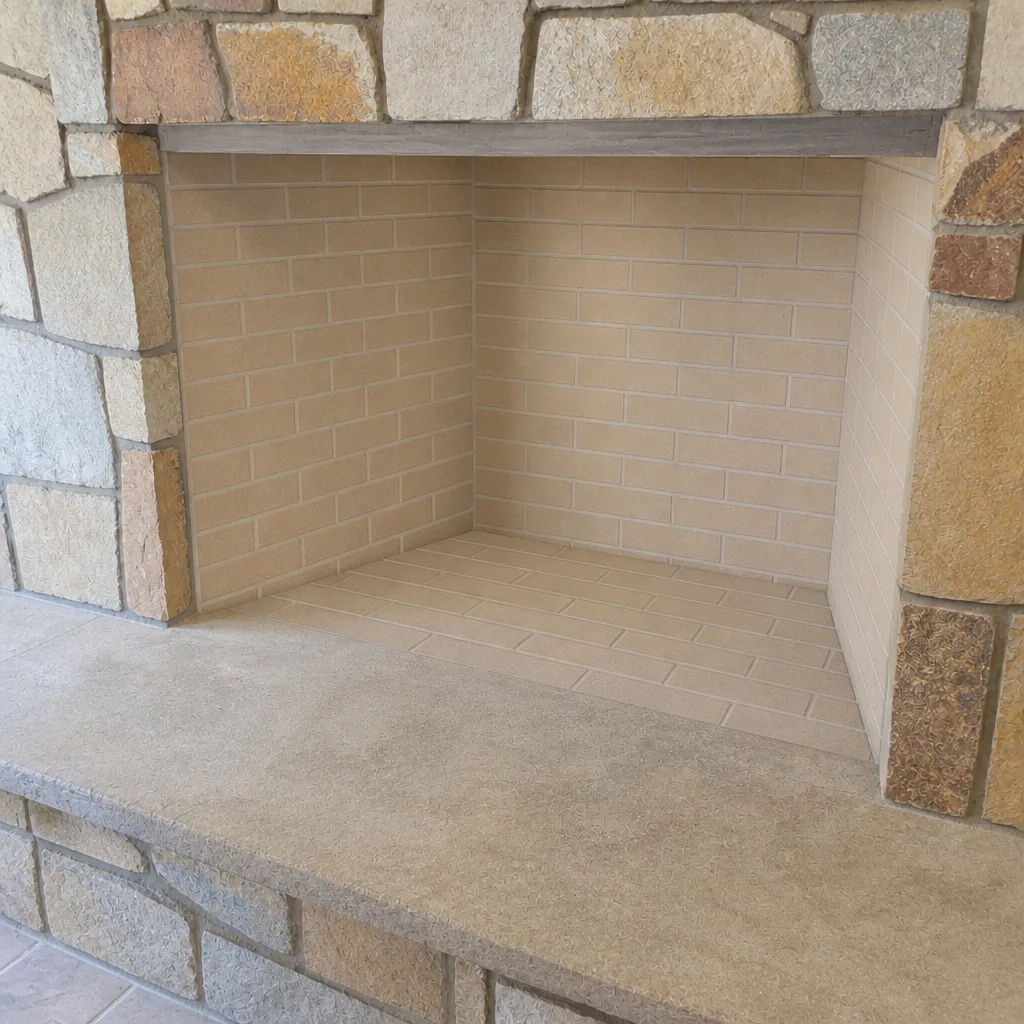
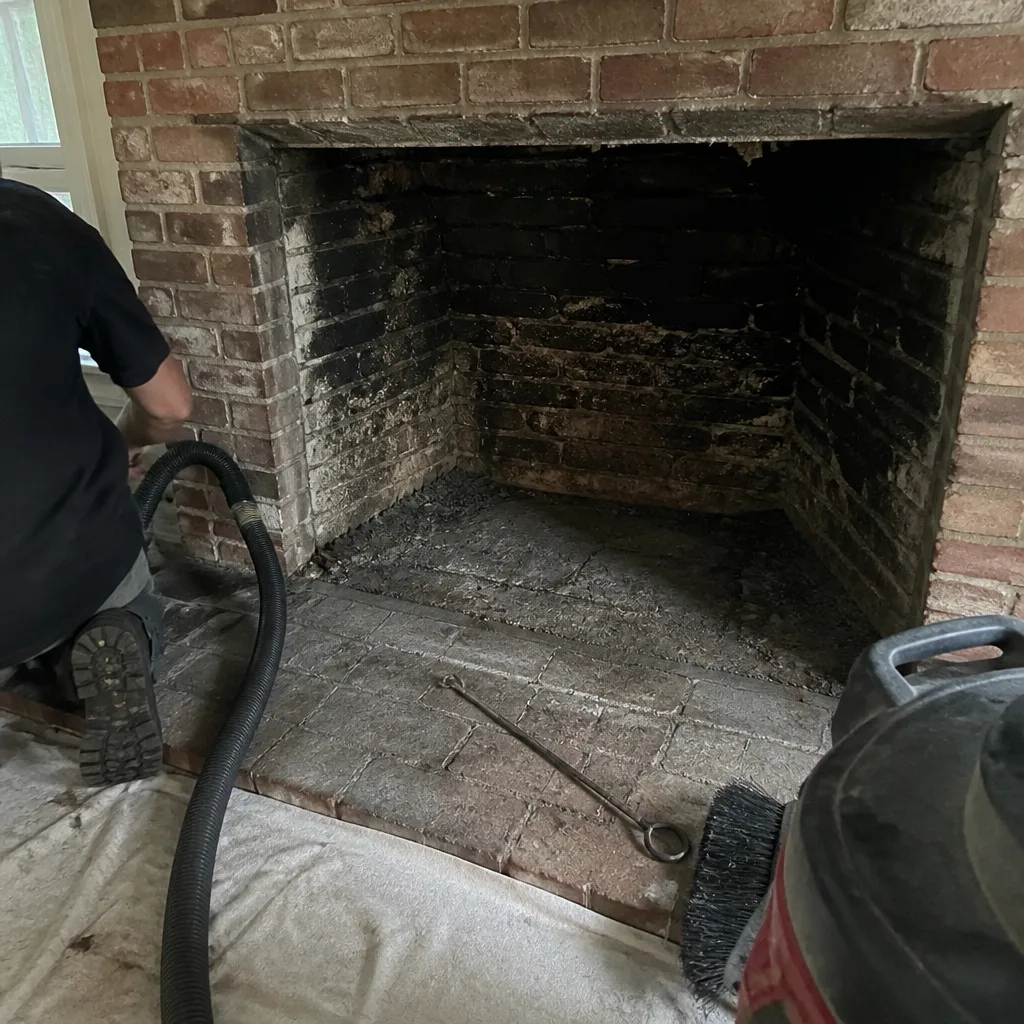
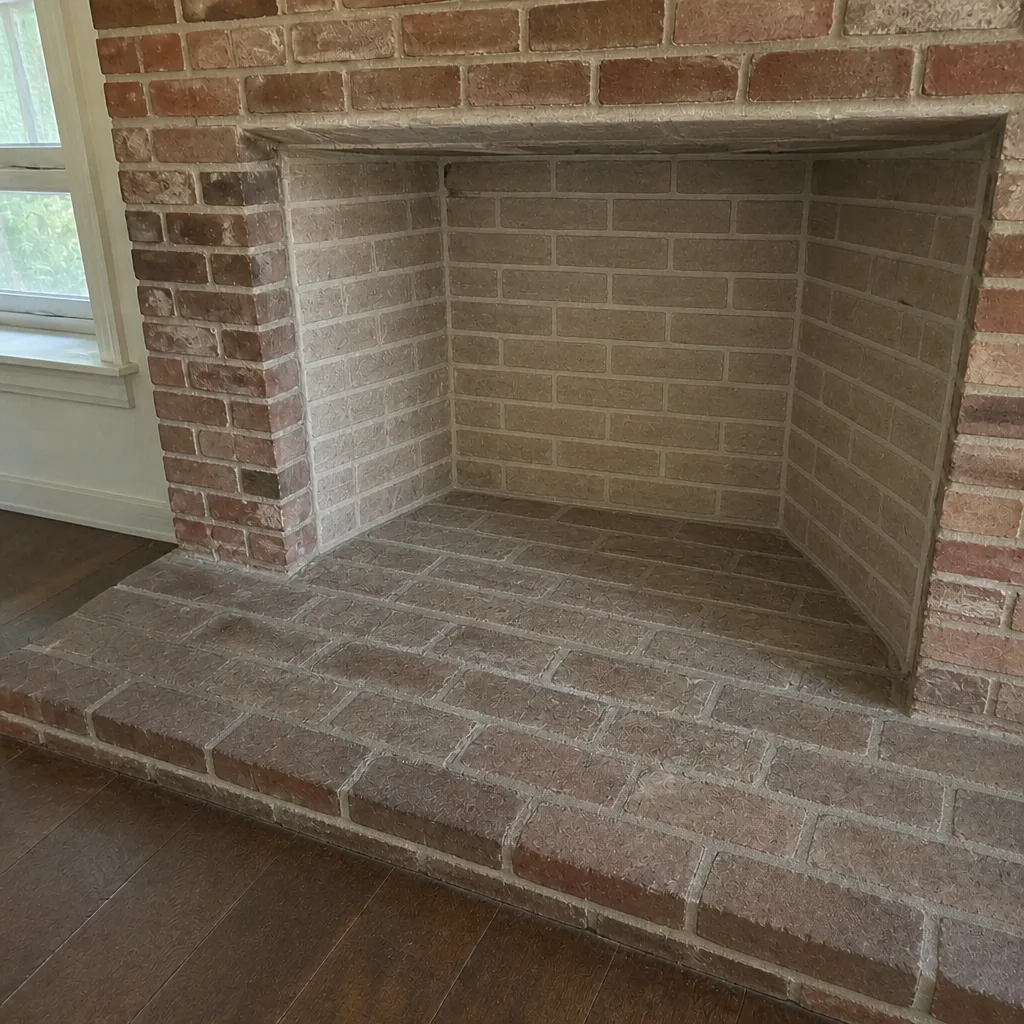
See the difference
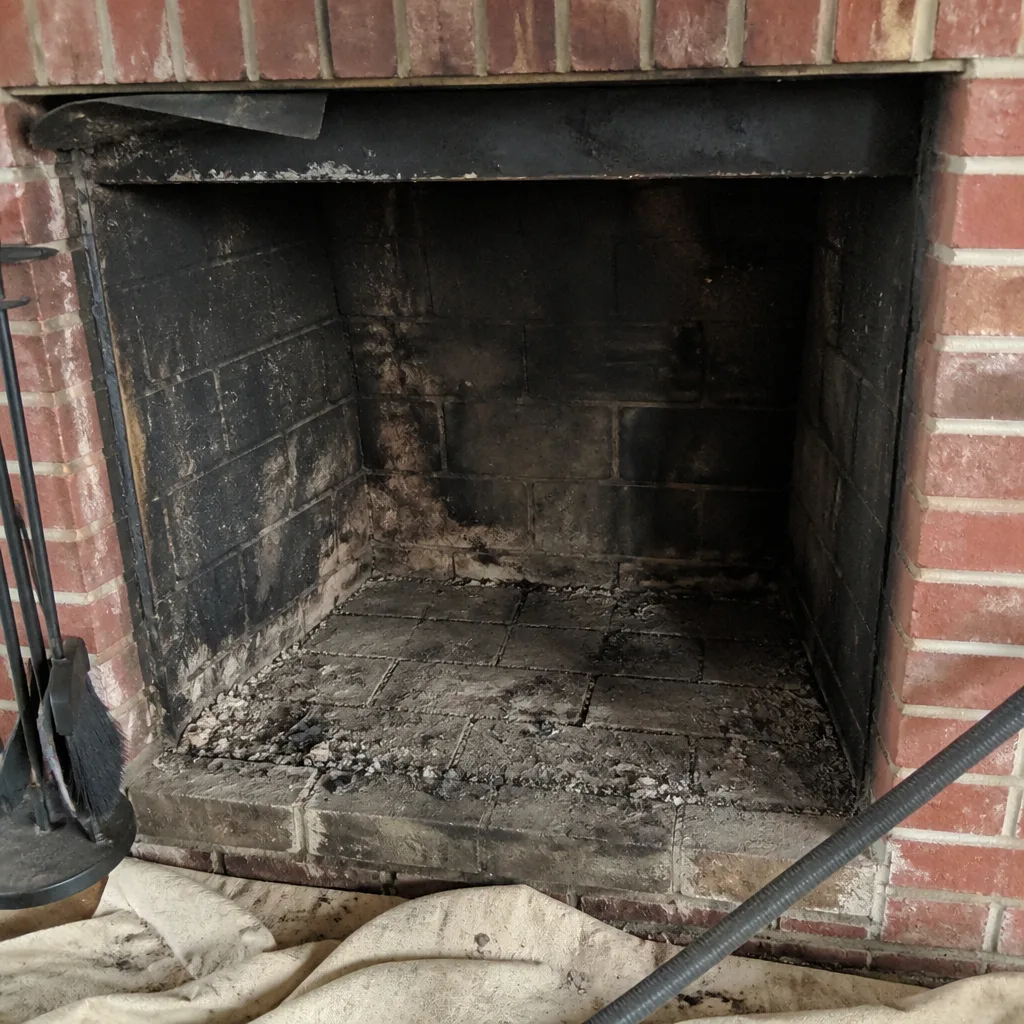 Before
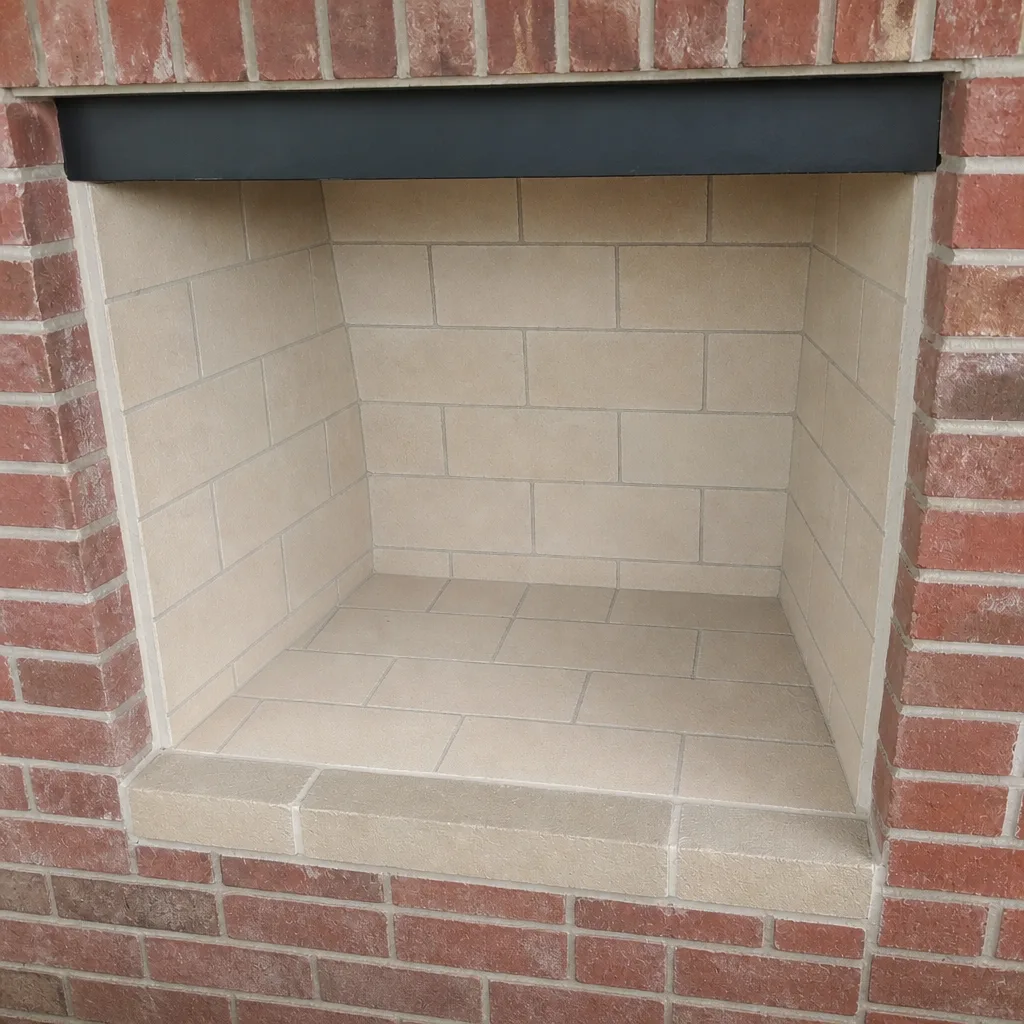 After
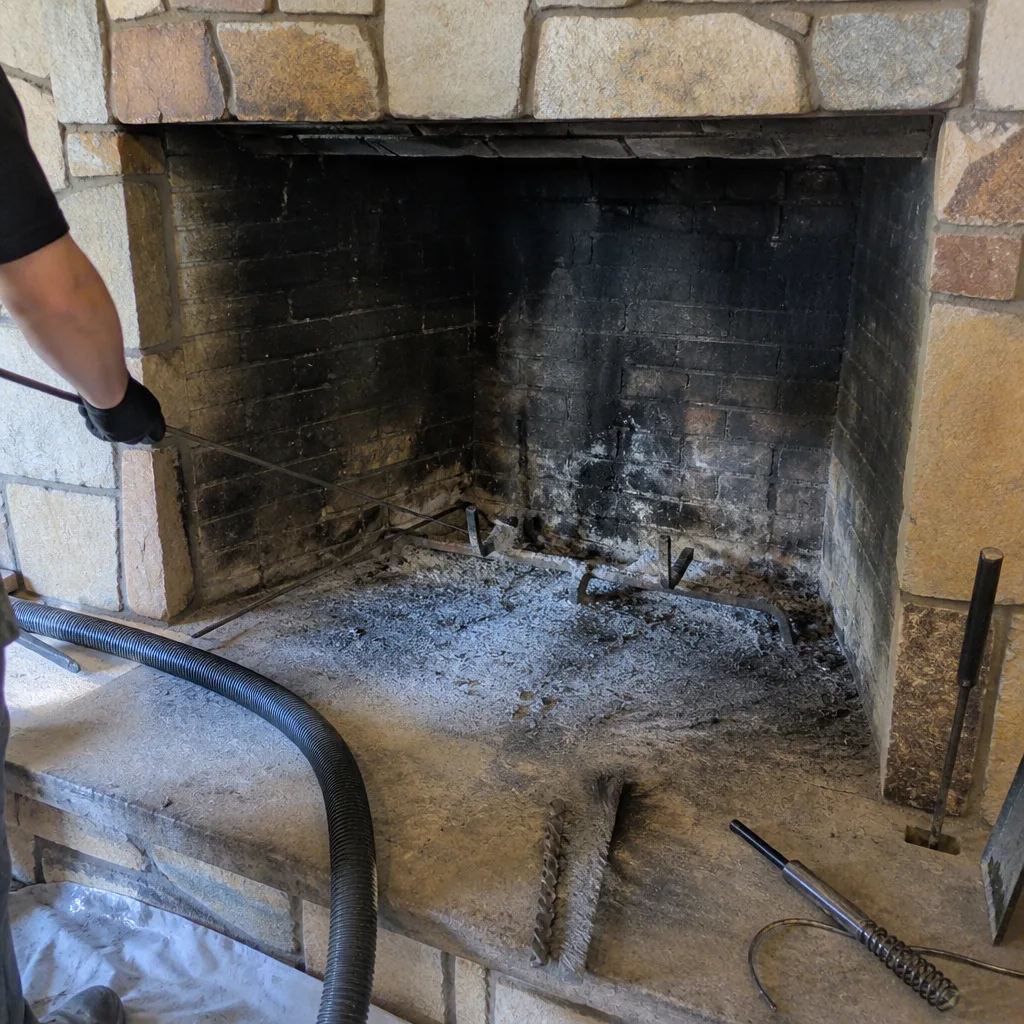 Before
 After
 Before
 After
When to Call a Professional
Some things are homeowner checks. Others need a trained professional. Call a professional if any of the following applies: smoke rolls back into the room on every fire rather than just at light-up; a strong creosote or musty smell lingers in the room long after a fire has gone out; water stains appear on the firebox brick; the crown shows visible cracks, crumbling, or spalling; the cap is missing, displaced, or damaged; the flue has never been inspected or you don’t know when it last was; or you’ve just moved into a Greensboro home with a fireplace and no service history. Chimney fire and carbon monoxide risk are real, and both are reasons to get the system looked at rather than guess. Greensboro Chimney Cleaning offers free estimates in Greensboro. Call (888) 366-5537 and we’ll book the inspection that answers the question.
For homeowners getting oriented to the area or moving into a new place, the Greensboro overview is the right starting point before booking any service. If you want the broader picture of how we work across all three service lines, start at Greensboro Chimney Cleaning.
Frequently Asked Questions
Once a year is the standard for most wood-burning fireplaces, timed ahead of the burn season. Homes that burn more than a cord and a half of wood per winter, burn unseasoned wood, or have older rough-lined flues should consider a mid-season check as well. Call (888) 366-5537 for an exact quote; estimates are free.
Late summer into early fall is the best window because the sweep happens before the burn season and appointment availability is still open. Spring is the right time for the post-winter exterior check on the crown and brickwork. Both windows are useful, and a homeowner who does both covers the full year.
Creosote accumulates on the flue walls with every fire, and it doesn’t clear on its own. Left in place through a humid Greensboro spring and summer, dry creosote absorbs moisture and hardens into glazed deposits that are harder to remove. The flue also goes unchecked, which means a cracked liner or blocked cap can go unnoticed until it becomes a bigger repair. Call (888) 366-5537 for an inspection before the season starts.
That smell is usually creosote odor being pulled down the flue by a downdraft, or moisture working on deposits inside the flue. Greensboro’s humid summers make both worse. An intact cap, a closed damper, and a clean flue going into the season are the usual fix. If the smell persists after a sweep, the inspection will tell you whether it’s a draft issue or a deposit problem.
Spalling is the surface flaking off a brick or a piece of concrete, and on a chimney it usually means water has been getting into the masonry through a crack in the crown or a failed mortar joint. Freeze-thaw cycles push the damage further each winter. A spalling brick on the crown in April is a small repair. Left across another winter, it can involve the brickwork below.
Yes, and that’s how we’re set up. We inspect it, we repair it. The recommendation you get after an inspection comes from the same team that handles the repair, which means the liner replacement, crown repair, or cap fix is quoted against what the inspection actually found. Call (888) 366-5537 for a free estimate.
The Bottom Line
Seasonal chimney care in Greensboro works best when it follows the local calendar. The fall sweep booked in September cleans the flue going into the burn season. The closed damper and intact cap through spring and summer slow the creosote degradation that humid air causes. The post-winter crown check catches spalling and masonry damage before freeze-thaw turns it into a structural repair. And the shoulder-season burn in October and March adds wear to the liner that a light total fire count in January tends to hide. Treat the flue, cap, crown, liner, and firebox as one system, book the annual sweep ahead of the first burn rather than after, and let the inspection determine what condition the system is in. One relationship covers the sweep, the inspection, and the repair across all four seasons.
Call (888) 366-5537 for a free estimate. We answer 24/7. Fast dispatch from 7am to 7pm, Sunday through Friday.
Written by the team at Greensboro Chimney Cleaning.