
Last updated November 15, 2026
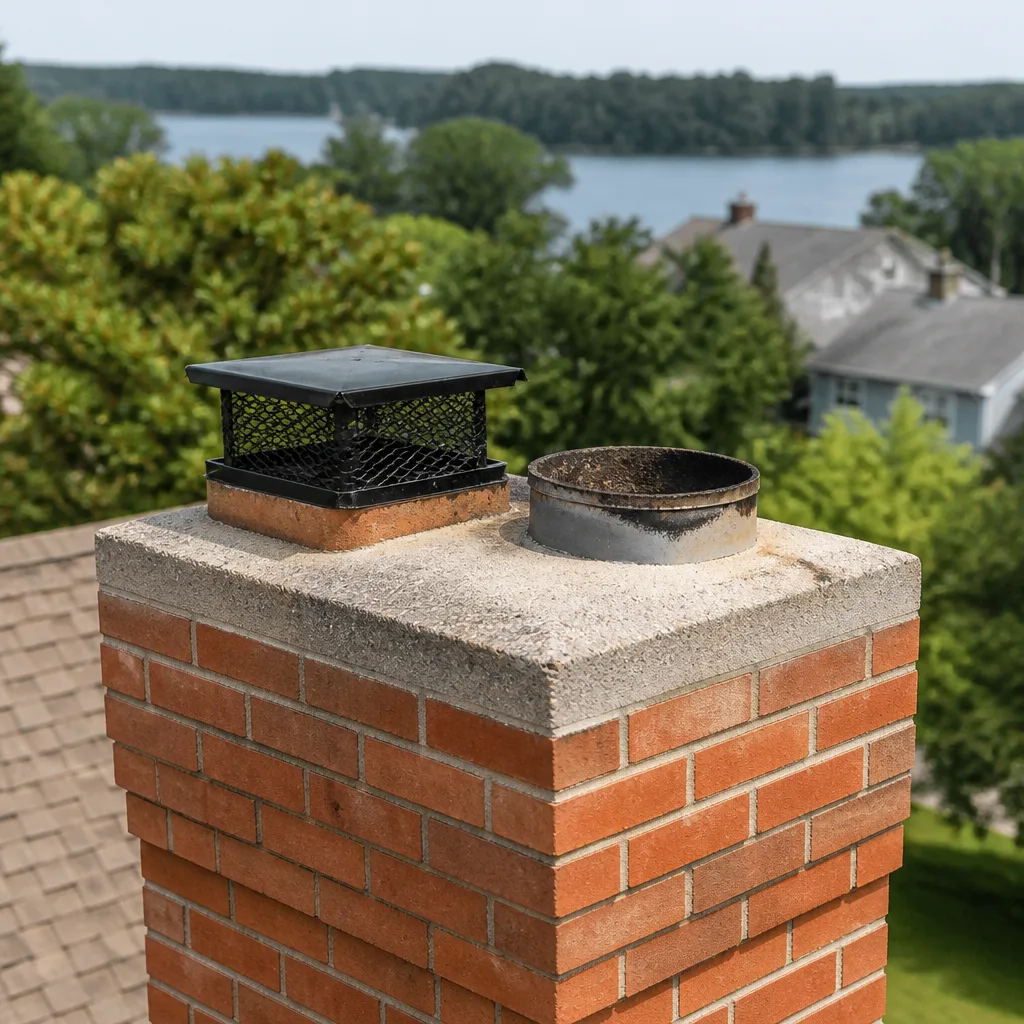 Sweep & inspection
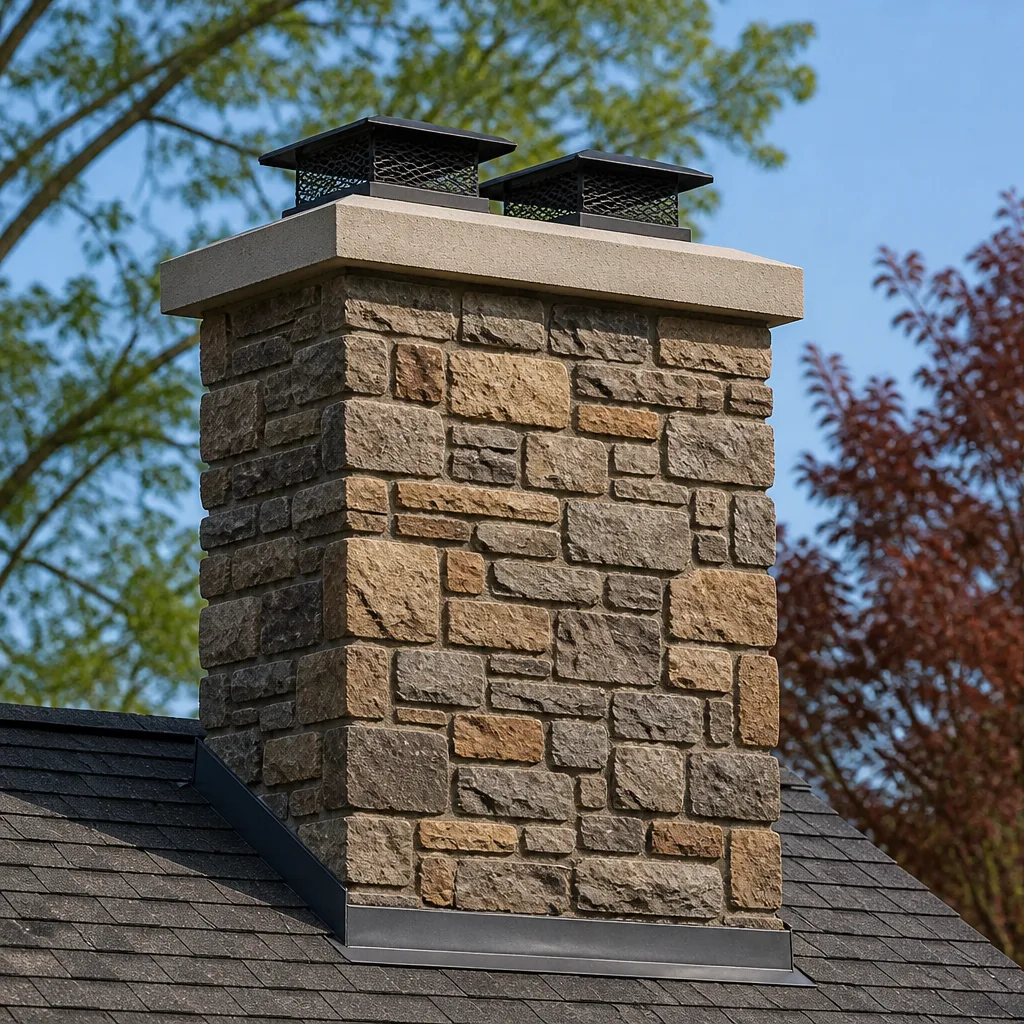 Caps & crowns
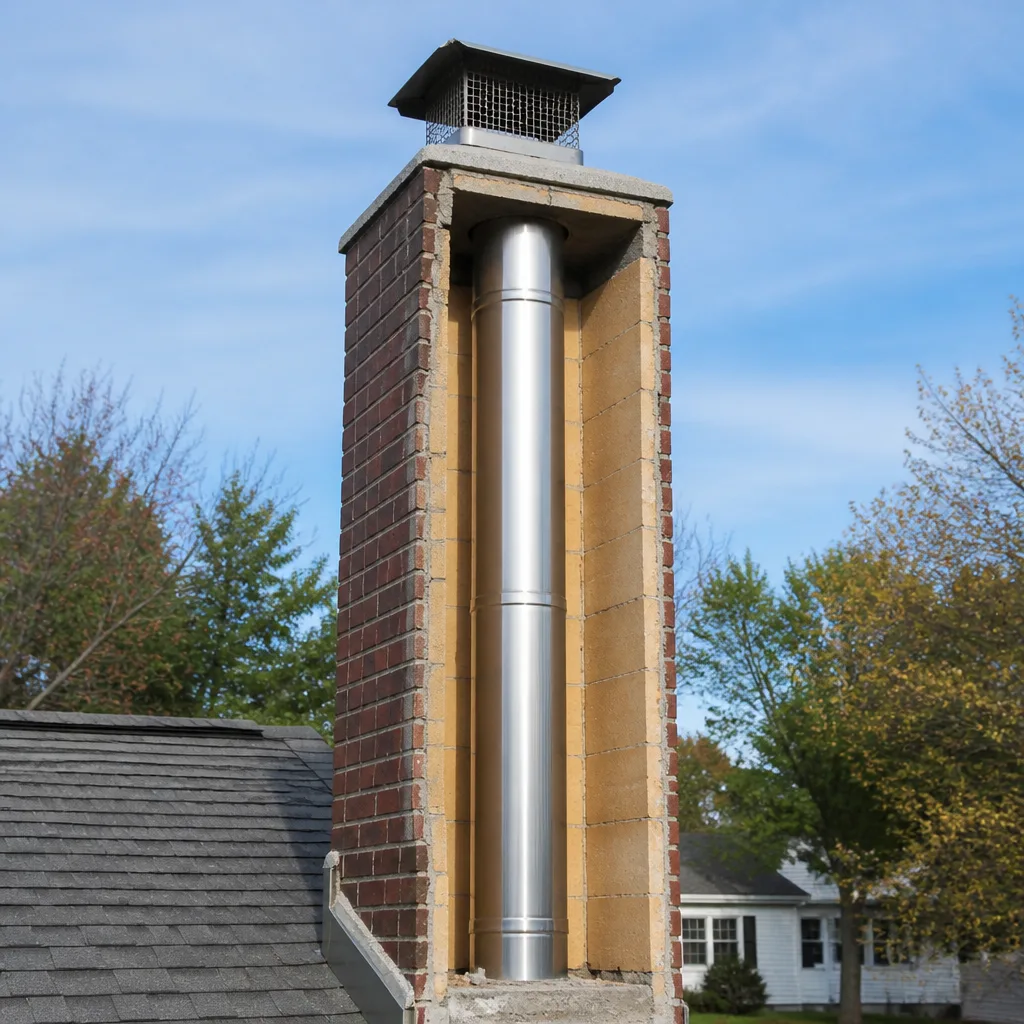 Flue relining
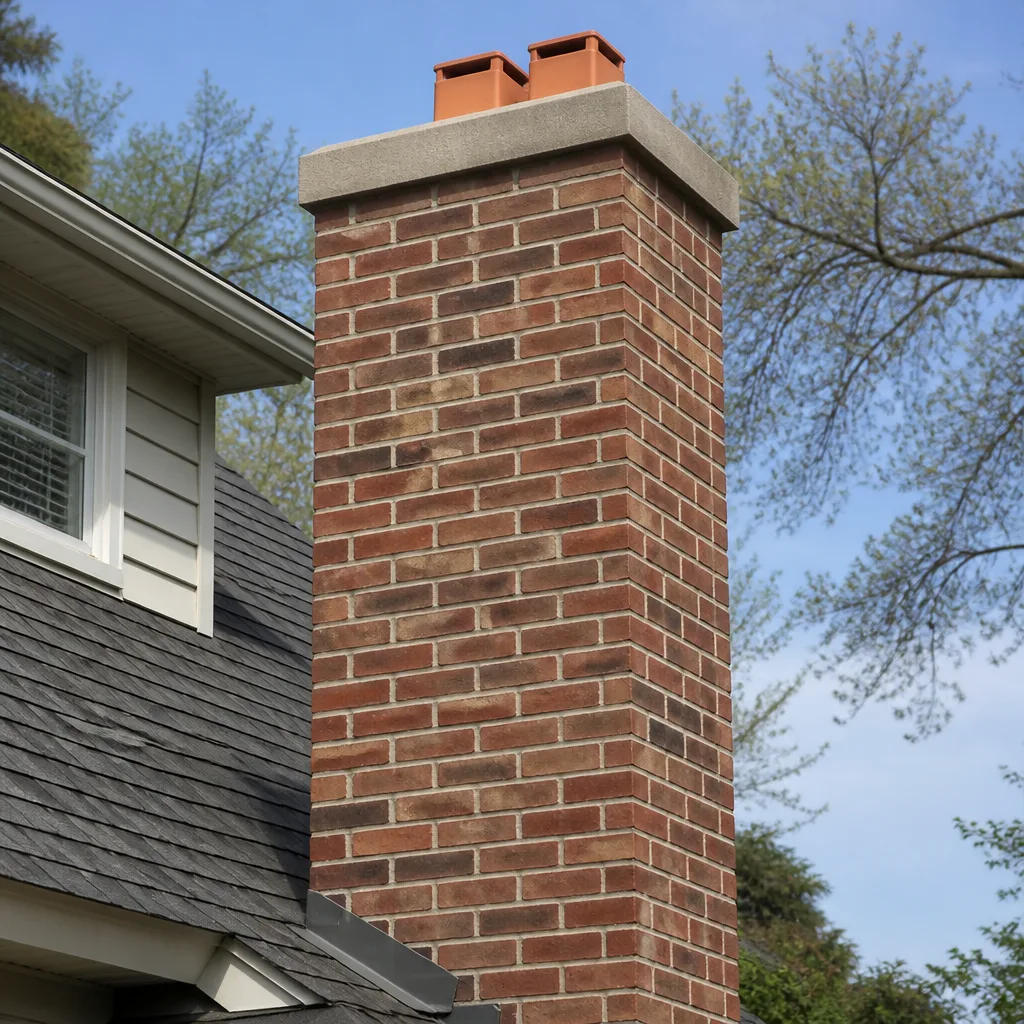 Masonry repair
 Gas fireplace service
Level 1 sweep and inspection to the NFPA 211 annual standard - flue, crown, cap, and flashing checked and photographed
Chimney sweep logs do not sweep chimneys. They loosen some creosote - which then falls where a brush and vacuum still have to collect it.
Chimney Cleaning Permits, Codes & Inspections in Greensboro, NC: What You Need to Know
Here’s the part of chimney work almost nobody explains upfront: the cleaning itself needs no permit, but the repairs that a cleaning often uncovers usually do. In Greensboro, a technician can legally brush your flue on a handshake, yet the same technician who replaces a cracked liner or installs an insert is supposed to pull a mechanical permit first. Skip that step and you can quietly inherit an insurance problem that surfaces years later, after a fire, when a claims adjuster asks who did the work and whether it was ever inspected. This guide walks through which chimney jobs need a City of Greensboro or Guilford County permit, which are exempt maintenance, how NFPA 211 and the state code fit together, what a Level 2 inspection actually certifies, and how to check for yourself whether a contractor’s work was permitted.
Quick Answer
In Greensboro, routine chimney cleaning and sweeping are permit-exempt maintenance, but structural repairs, flue liner replacement, insert installation, and major crown or cap work typically require a mechanical or building permit from the City of Greensboro or Guilford County before work begins. A proper Level 2 inspection and documentation should follow any repair, and homeowners can verify permitted work through the local permit lookup portal. When in doubt, ask the contractor to show the permit before anyone touches your chimney.
Styles & brands we work with
- Sweep & inspection
- Caps & crowns
- Flue relining
- Masonry repair
- Gas fireplace service
Table of Contents
- Which Chimney Services Need a Permit in Greensboro?
- How NFPA 211 and the NC Residential Code Fit Together
- What a Level 2 Inspection Report Really Means
- Inspections in a Real Estate Transaction and NC Disclosure
- How to Verify a Contractor’s Work Was Permitted
- The Insurance Consequences of Undocumented Repairs
- What Documentation to Keep After Any Service
- Why This Matters More in Greensboro’s Housing Stock
Which Chimney Services Need a Permit in Greensboro?
Most homeowners assume that if a service is called “chimney work,” it falls under one permitting rule. It doesn’t. Greensboro draws a clear line between maintenance and construction, and that line is where insurance and liability questions start. Permitting rules are set by the City of Greensboro and Guilford County, so always confirm the current requirement with the local building department before work starts. Here’s the general split we work from:
- Permit-exempt maintenance: Routine sweeping, creosote removal, Level 1 visual inspections, cap cleaning, and minor firebox ash removal. None of these change the structure of the chimney.
- Typically permitted: Flue liner replacement, installation of a wood or gas insert, chimney cap and crown reconstruction, chase repairs that involve framing or masonry removal, and any work that alters the chimney’s height, footprint, or structural connection to the house.
- Usually permitted and inspected: Relining with a stainless system such as DuraFlex or a cast-in-place liner like HeatShield, because both modify the flue’s interior geometry and its relationship to the appliance.
The reason liner work needs a permit isn’t bureaucratic. Replacing a liner changes the effective flue size, which changes draft, which changes how the appliance vents combustion gases. The permitting process exists so a city or county inspector can confirm the new liner matches the appliance and meets clearance requirements before the chimney is closed back up. When we handle chimney repair that crosses from maintenance into structural change, the permit is part of the job, and we tell the homeowner before work begins, not after.
The exemption for cleaning is real, though. If all you need is a chimney sweep, no permit is required, and the visit should be quick and straightforward. The confusion happens when the sweeping technician finds something and the homeowner assumes the repair follows the same no-permit rule. It doesn’t.
How NFPA 211 and the NC Residential Code Fit Together
NFPA 211 is the national standard for chimneys, fireplaces, vents, and solid fuel appliances. The North Carolina Residential Building Code adopts and references it, which means Greensboro inspectors evaluate chimney work against both documents at once. Where the two overlap, the stricter requirement governs. Where the state code adds a local amendment, that amendment applies to your chimney even if the national standard reads differently.
In practice, the intersection shows up in three places:
- Liner replacement. NFPA 211 requires that a relined flue be sized to the appliance and that all joints and connections be sealed. The state code requires the liner to be listed for the fuel type and installed per the manufacturer’s instructions. A permitted job means an inspector verifies both.
- Insert installation. An insert must connect to a properly sized liner, not just sit in the firebox venting into an oversized flue. The code requires the connection to be permanent and sealed, and a permit triggers the inspection that confirms it.
- Cap and crown repair. These are the parts of the chimney exposed to Greensboro’s weather. The code doesn’t specify a brand or a material, but it does require the crown to shed water away from the flue and the cap to prevent rain and animals from entering. When that repair involves rebuilding the crown, it typically crosses into permittable structural work.
This is where professional-grade material knowledge matters. A cast-in-place liner such as HeatShield and a stainless system such as DuraFlex each have their own listing and their own installation requirements. Matching the material to the appliance correctly is what the code is asking for, and it’s part of why the work needs a permit and an inspection rather than a verbal assurance that it’ll vent fine. When we look at Greensboro homes, the mix of older masonry chimneys and newer prefab systems means knowing which standard applies to which stack.
What a Level 2 Inspection Report Really Means
A Level 2 inspection is a visual and accessible inspection of the chimney’s interior and exterior, typically done with a camera, and it’s the standard most chimney professionals reference when documenting repair work or a home sale. It’s more thorough than the Level 1 visual glance you get during a routine cleaning, and it’s the level that a real estate transaction or a post-repair verification usually calls for.
What a Level 2 inspection should produce:
- An assessment of the flue interior, including the liner’s condition, joints, and any gaps or cracks.
- An evaluation of the firebox, damper, smoke chamber, and cap.
- A check of clearances to combustible materials.
- Photo or video documentation of anything the inspector flags, so you can see what they see.
- A written report that names what was found and what, if anything, is recommended.
The key point for homeowners is that a Level 2 inspection is documentation, not just advice. When a technician says you need a new liner, a Level 2 report should show you the crack, gap, or deterioration that justifies it. If a contractor recommends thousands of dollars of relining without a documented reason, that’s a reason to get a second look. When we inspect a chimney and recommend relining, the HeatShield or DuraFlex recommendation comes with the evidence attached.
Inspections in a Real Estate Transaction and NC Disclosure
If you’re buying or selling a home in Greensboro, the chimney inspection stakes go up. Sellers are generally obligated to disclose known material defects, and buyers are entitled to inspect before closing. A chimney that shows evidence of a chimney fire, a deteriorated liner, or an unpermitted modification is exactly the kind of defect that belongs in a disclosure.
Here’s how the pieces typically line up:
- During the inspection period, the buyer orders a Level 2 chimney inspection. The report becomes part of the due diligence file.
- If the report flags a defect, the buyer can negotiate repairs, ask for a credit, or walk away. This is why a documented Level 2 report matters so much: vague “needs some work” language is hard to negotiate against.
- After closing, any permitted repair or relining should generate a permit record and an inspection sign-off that stays with the property.
A seller who has already relined a flue and pulled the permit has a stronger position than one who can’t produce documentation. And a buyer who receives a chimney inspection report should keep it, because it becomes the baseline for future service. In Greensboro’s older neighborhoods, where chimneys can carry decades of history, a documented report is often worth more than a verbal all-clear.
How to Verify a Contractor’s Work Was Permitted
The most useful habit a homeowner can build is checking permits after the work is done, not just trusting the invoice. Greensboro maintains a permit lookup portal through the city’s online services, and Guilford County has its own permitting system for work outside city limits. Here’s the sequence:
- Ask for the permit number before work starts. A legitimate contractor working on permit-requiring repairs will have one, or will pull it as part of the job.
- Search the permit number in the City of Greensboro permit lookup portal (or the Guilford County system, depending on the address) after work is complete.
- Confirm the permit status shows as “inspected” or “finaled,” not just “issued.” An issued permit means a job was approved to start; a finaled permit means an inspector signed off.
- Request the inspection report from the contractor if the portal doesn’t show the detail you need.
If a contractor says the work wasn’t permitted because it “wasn’t necessary,” ask them to explain in writing why it fell outside the requirement. An honest answer is a short one. A runaround is a warning. When we take on chimney repair work in Greensboro, the homeowner gets the permit trail as part of the job, because it’s what protects them if anything goes wrong later.
The Insurance Consequences of Undocumented Repairs
Here’s the scenario that catches homeowners off guard. A fire starts in or near the chimney, the fire department responds, and the insurance adjuster asks a normal-sounding question: who did the last repair on that chimney, and can you show the documentation? If the answer involves unpermitted work that altered the structure, the insurer may treat the claim differently, because unpermitted work is a modification the insurer never had the chance to evaluate.
The same logic applies to a liner replacement or insert installation. An insurer isn’t required to cover a loss that traces back to a modification made without the inspection the permit process would have required. This isn’t about blame. It’s about documentation. A finaled permit, an inspection report, and a written service record together form a chain that answers the adjuster’s question before it’s asked.
Most chimney service companies don’t bring this up. In our experience, homeowners who learn about it after a loss wish they’d known before. The safe habit is to treat any repair beyond cleaning as a documented event, with the permit, the inspection, and the photos all kept together.
What Documentation to Keep After Any Service
After any chimney service beyond routine cleaning, keep the following. It takes five minutes to organize and can save a lot of pain later.
- The permit number and finaled status, if the work required a permit. Print the portal screenshot or the inspection sign-off.
- The written inspection report, including photo or video documentation of anything noted.
- The manufacturer’s listing sheet for any liner or component installed, such as the HeatShield or DuraFlex paperwork that confirms the product is rated for your appliance.
- The written estimate, signed, showing exactly what was done and the final price.
- Any warranty or product registration for the liner or components, which a technician should leave with you.
Keep these together, ideally with your home maintenance records. When you sell, they’re an asset. If you file a claim, they’re the difference between a straightforward process and an argument. And when a future technician inspects the chimney, the history tells them what they’re looking at.
Why This Matters More in Greensboro’s Housing Stock
Greensboro’s housing runs from century-old mill houses to newer construction, and the chimneys vary as widely as the homes. Older masonry stacks are often unlined or lined with clay tile that has cracked over decades of heating and cooling. That makes liner replacement a common recommendation here, and it makes the permit question relevant for a lot of homeowners who thought they only needed a cleaning.
The local climate plays a role too. Greensboro’s humid summers and occasional hard freezes work on masonry and metal joints in different ways, and crown and cap issues show up regularly. A crown that has begun to hold water should be repaired before it becomes a chimney-wide problem, and that repair is often the moment the permit requirement becomes real. The same is true when a homeowner replaces a wood stove or puts in a new insert: what looks like an appliance swap is a venting change that needs to be done correctly.
We work with professional-grade materials because the code and the manufacturer’s listing expect it. When we recommend a cast-in-place liner such as HeatShield or a stainless system such as DuraFlex, the recommendation comes with the documentation the permit process and the insurer will both want to see. The point isn’t to make a simple job complicated. It’s to make sure the work you paid for is the work that gets recognized if it ever matters.
Our technicians have up to 11 years of experience, and we’ve seen enough Greensboro chimneys to know which ones are likely to need a permit-bearing repair and which are a straightforward sweep. If you’re unsure which category your chimney falls into, the safest move is to ask before work starts.
Common Mistakes to Avoid
- Assuming a cleaning permit covers a repair. Sweeping is exempt, but a liner replacement or insert install in the same visit is not. Ask the contractor which part of the job requires a permit.
- Taking a verbal “you need a new liner” without documentation. A Level 2 inspection with photos should back up the recommendation. If it doesn’t, get a second opinion before spending.
- Skipping the permit lookup after the work. A permit that was issued but never finaled is not the same as an inspected job. Check the portal or ask for the sign-off.
- Letting a contractor hand-wave the code. “We always do it this way” is not the same as “this meets NFPA 211 and the NC Residential Code.” Ask which standard applies to the work.
- Not asking about the liner listing. A liner listed for one fuel type or appliance may not be correct for another. The manufacturer’s instructions are part of the code requirement, not an optional extra.
- Forgetting to keep the paperwork. An inspection report in a drawer is a record; an inspection report lost is a claim headache. Keep it with your home maintenance file.
- Assuming a real estate inspection replaces a Level 2. A general home inspection is not a Level 2 chimney inspection. If the sale depends on the chimney, ask for the specific report.
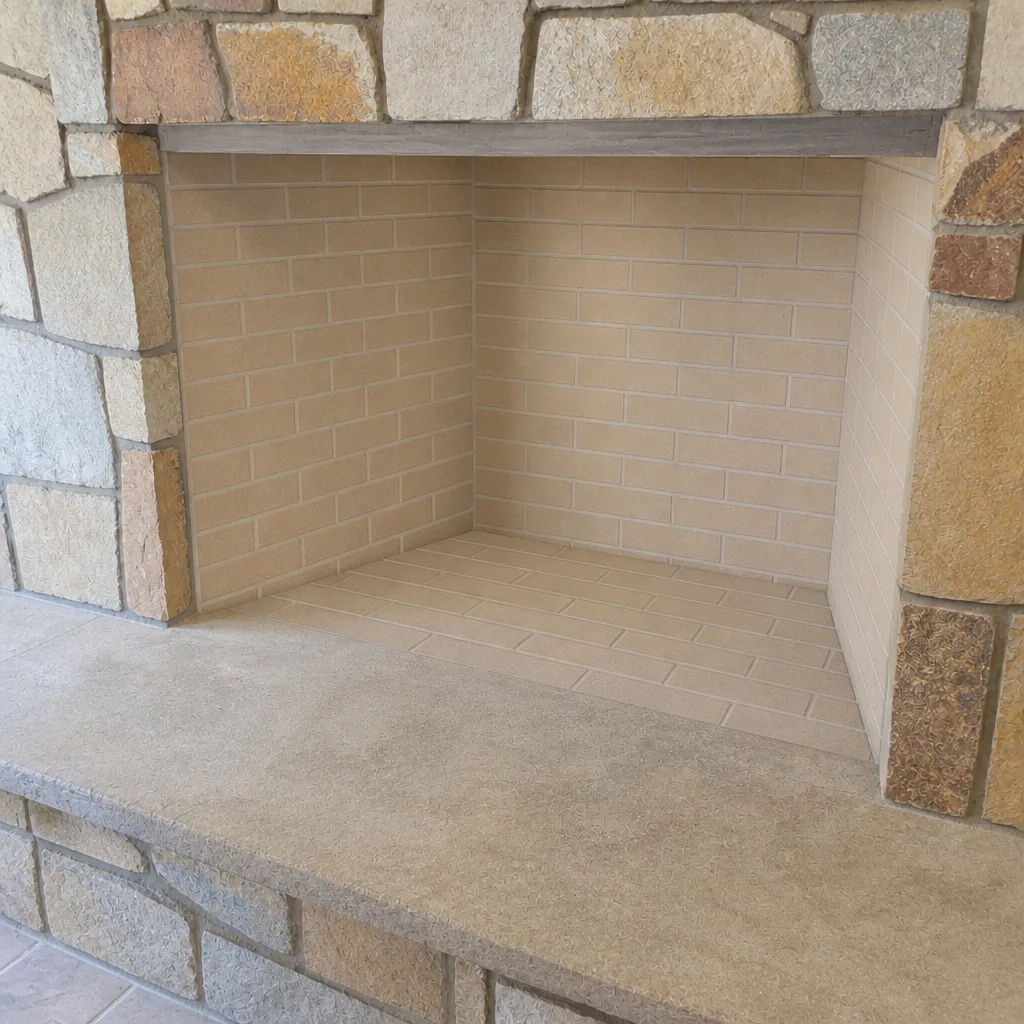
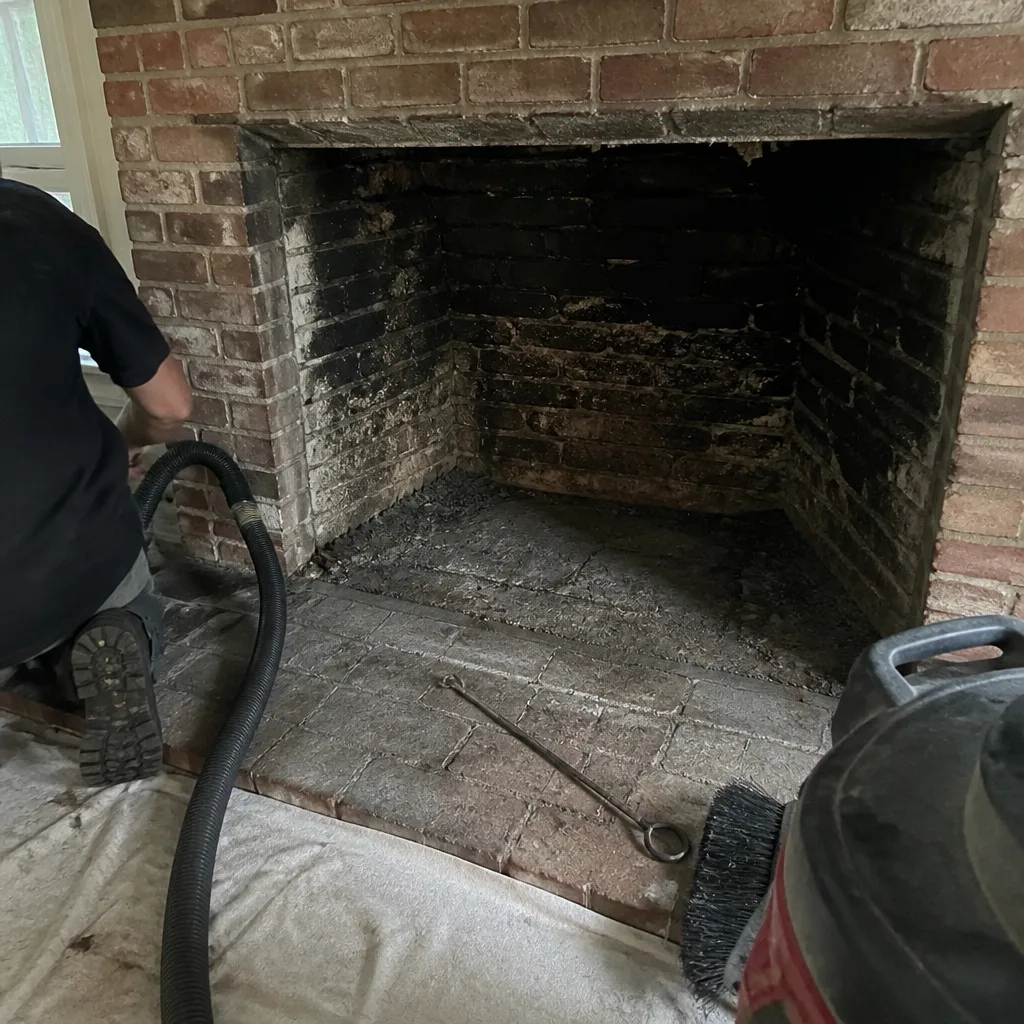
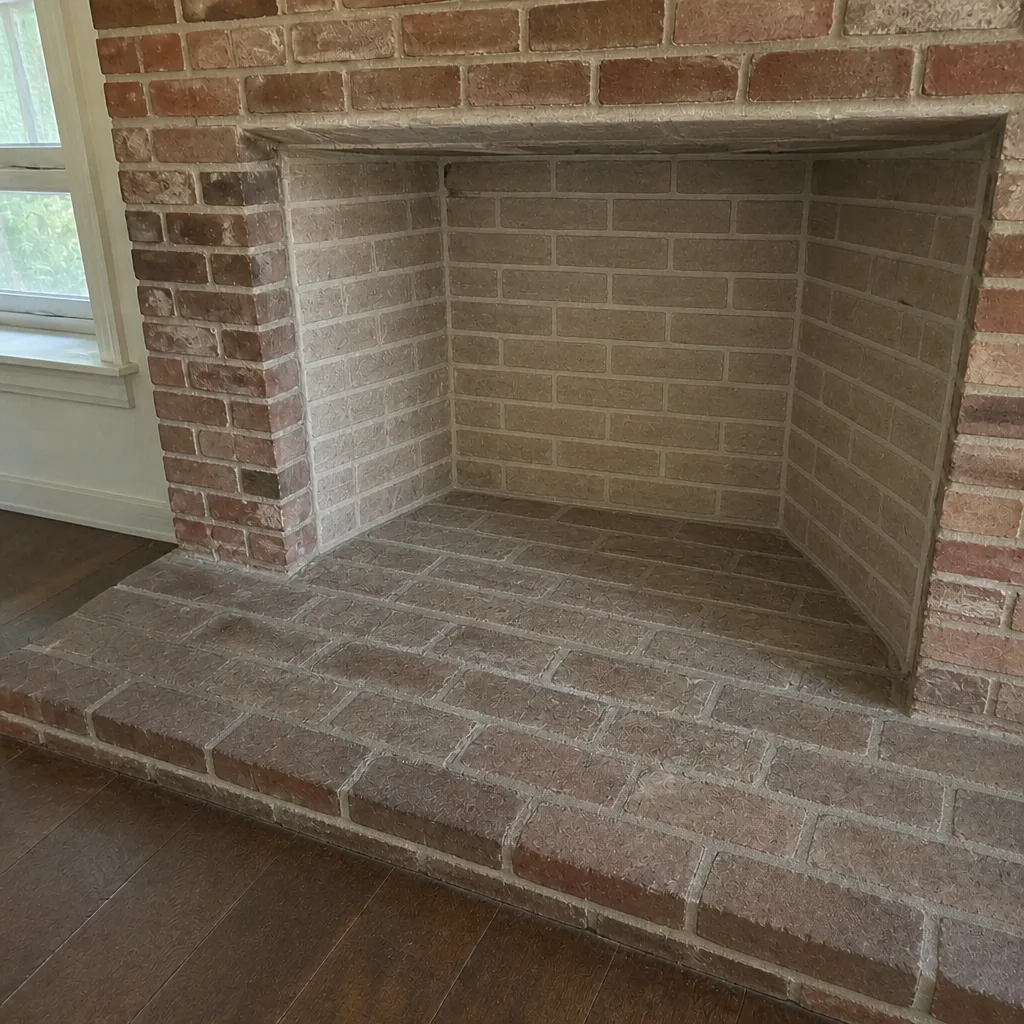
See the difference
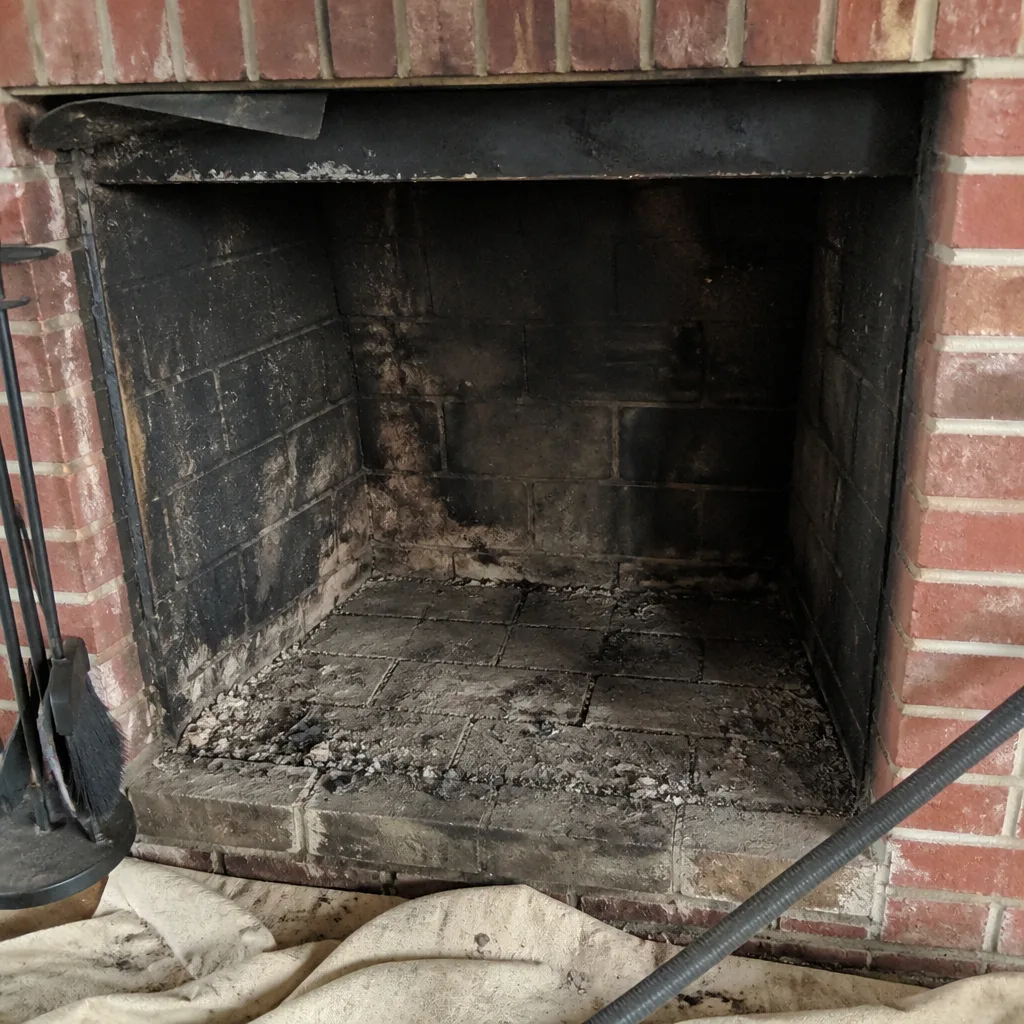 Before
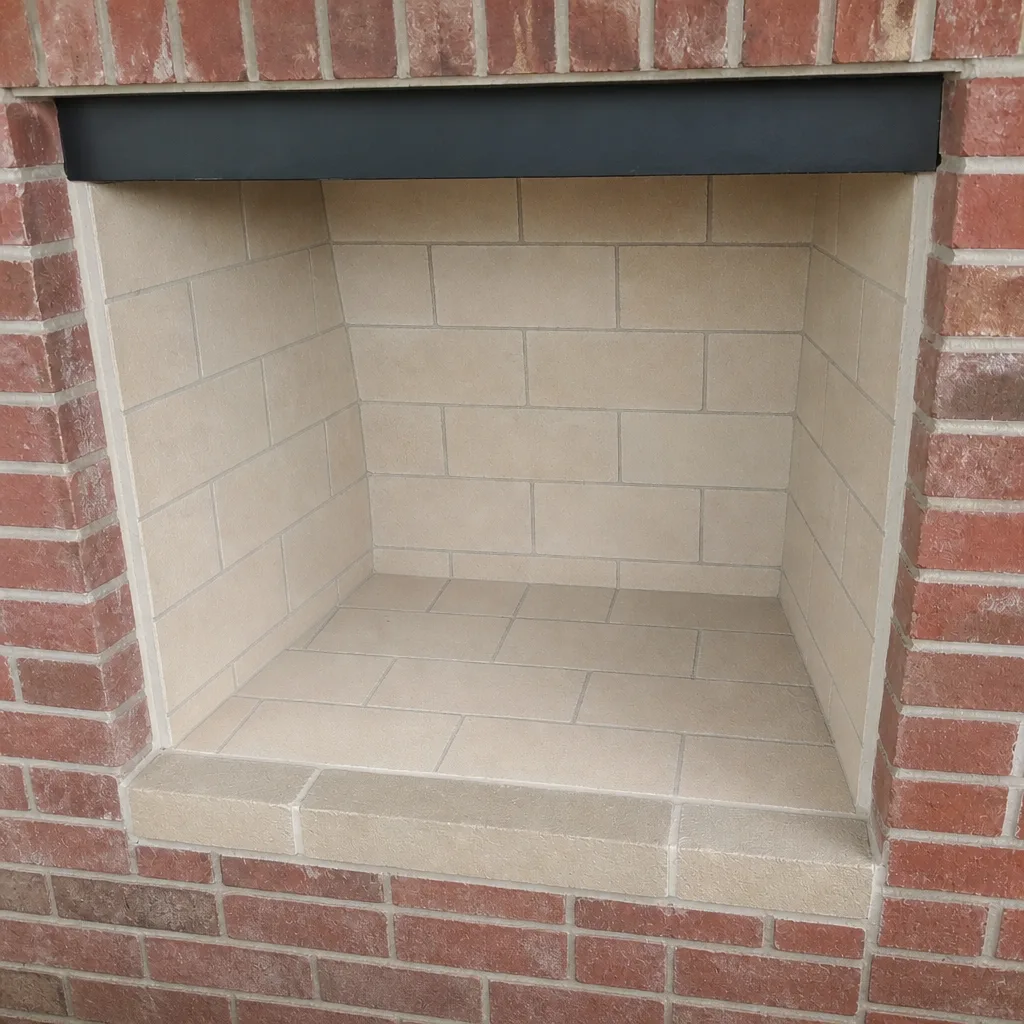 After
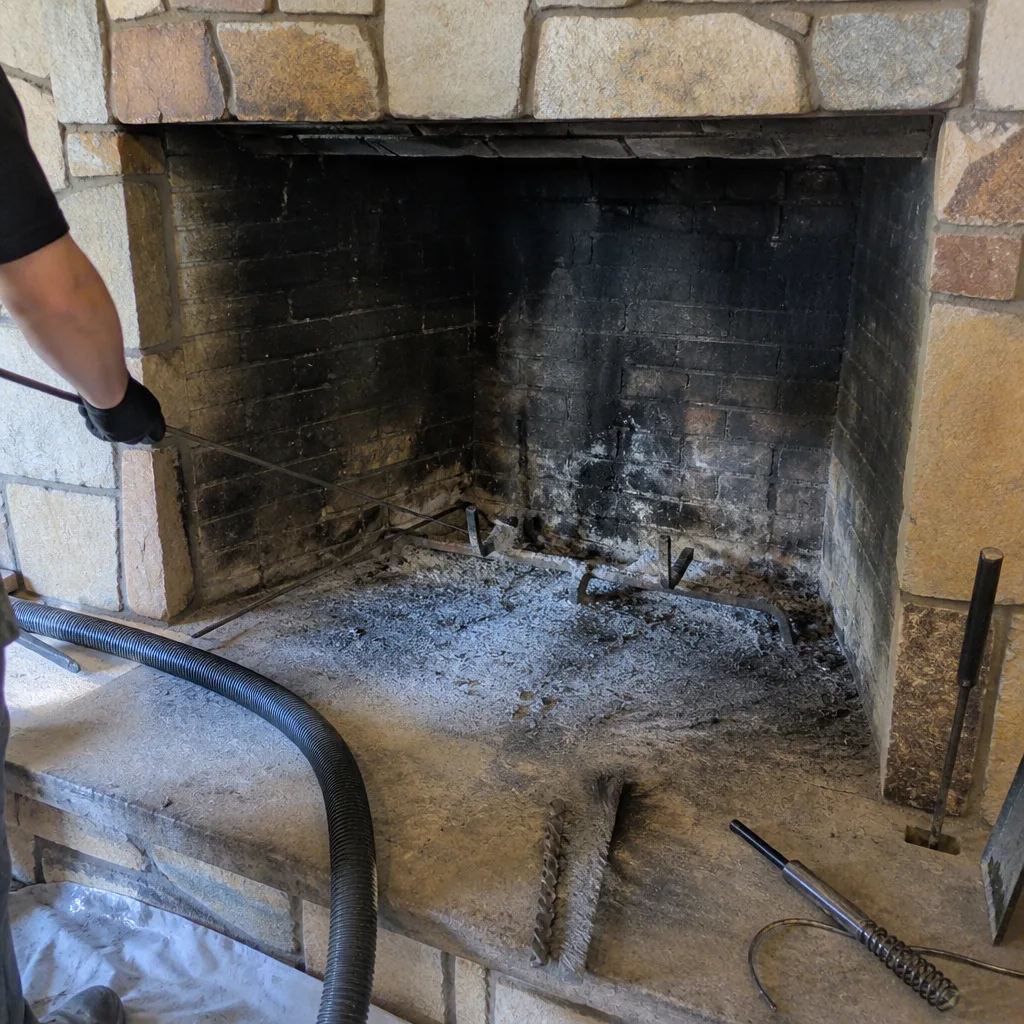 Before
 After
 Before
 After
When to Call a Professional
Call a professional if you’re buying or selling a home in Greensboro and the chimney’s condition is part of the deal, if your insurer or adjuster is asking for documentation, or if any technician has recommended liner, crown, or insert work and you want the permit and inspection handled correctly. Call us if you’ve just moved into a house with a chimney and no service history, or if it’s been more than a year since the last inspection and you burn wood regularly. If you’re unsure whether your chimney falls under a permit requirement, the answer takes one phone call to confirm. Greensboro Chimney Cleaning offers free estimates in Greensboro. Call (888) 366-5537. We answer 24/7. Fast dispatch from 7am to 7pm, Sunday through Friday. We’re closed Saturday.
Frequently Asked Questions
No. Routine chimney cleaning and sweeping are permit-exempt maintenance in Greensboro, and no permit is required for a standard sweep. A permit only comes into play if the technician finds a condition that requires structural repair, liner replacement, or insert installation.
Yes, in most cases. Flue liner replacement typically requires a mechanical permit from the City of Greensboro or Guilford County, and the job should be inspected after the liner is installed and before the chimney is closed up. The permit exists to confirm the new liner matches the appliance and meets clearance and listing requirements under NFPA 211 and the NC Residential Code.
Ask for the permit number before work starts, then search it in the City of Greensboro permit lookup portal or the Guilford County system after the job is done. Confirm the status shows as inspected or finaled, not just issued. If the portal doesn’t show the detail, request the inspection report directly from the contractor.
A Level 2 inspection is a thorough visual and accessible examination of the chimney, usually with a camera, that documents the flue, firebox, damper, and cap condition with photos and a written report. You need one if you’re buying or selling a home in Greensboro, if a repair or relining is being recommended, or if it’s been more than a year since your last inspection.
It can. If unpermitted work altered the structure of the chimney and a fire-related claim follows, the insurer may evaluate the claim differently because the modification was never inspected. Keeping the permit, the inspection report, and the service record protects you if that question ever comes up.
For a routine sweep, keep the written estimate and any inspection notes, because they establish a baseline for future service. The full permit-and-inspection paperwork is required only when the work crosses into repair or relining. Call (888) 366-5537 for an exact quote on either; estimates are free.
The Bottom Line
Chimney cleaning in Greensboro is permit-exempt; the repairs it can uncover are not. Liner replacement, insert installation, and structural crown or cap work typically require a mechanical or building permit from the City of Greensboro or Guilford County, and the work should be inspected before it’s closed up. NFPA 211 and the NC Residential Code set the standard, a Level 2 inspection documents what was found, and the permit lookup portal lets you verify the job was finaled. Keep the paperwork. The insurance implications of undocumented work are real, and the documentation is what protects you. When you’re ready to schedule a sweep, an inspection, or permit-bearing repair, call Greensboro Chimney Cleaning at (888) 366-5537.
Written by the team at Greensboro Chimney Cleaning.