
Last updated November 15, 2026
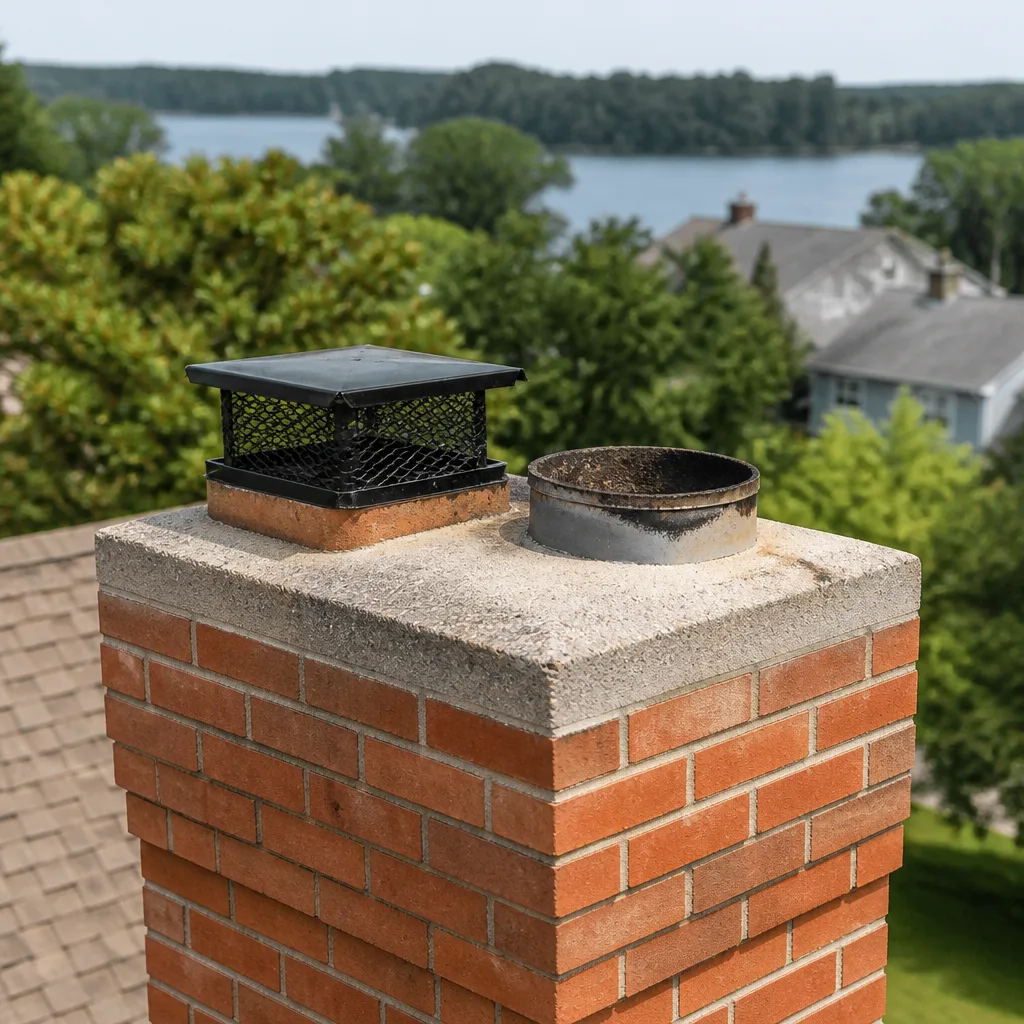 Sweep & inspection
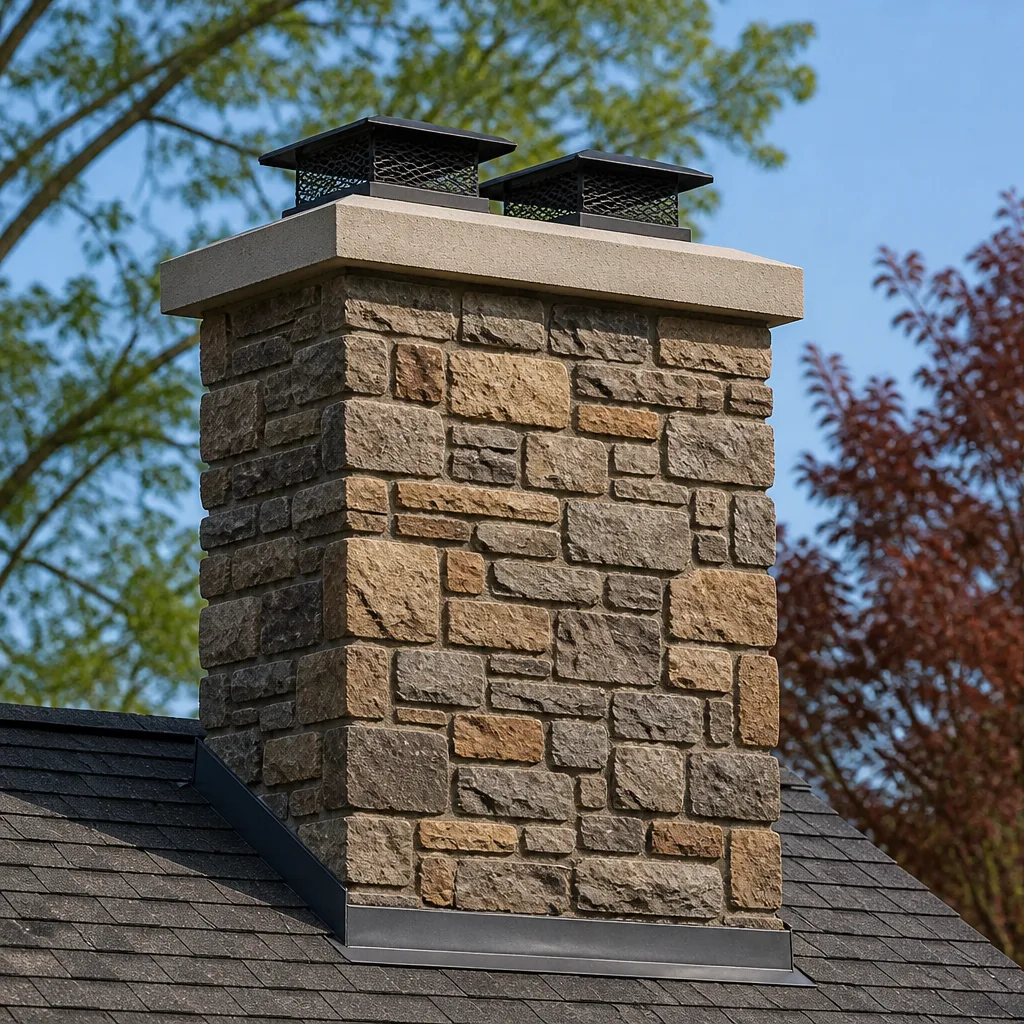 Caps & crowns
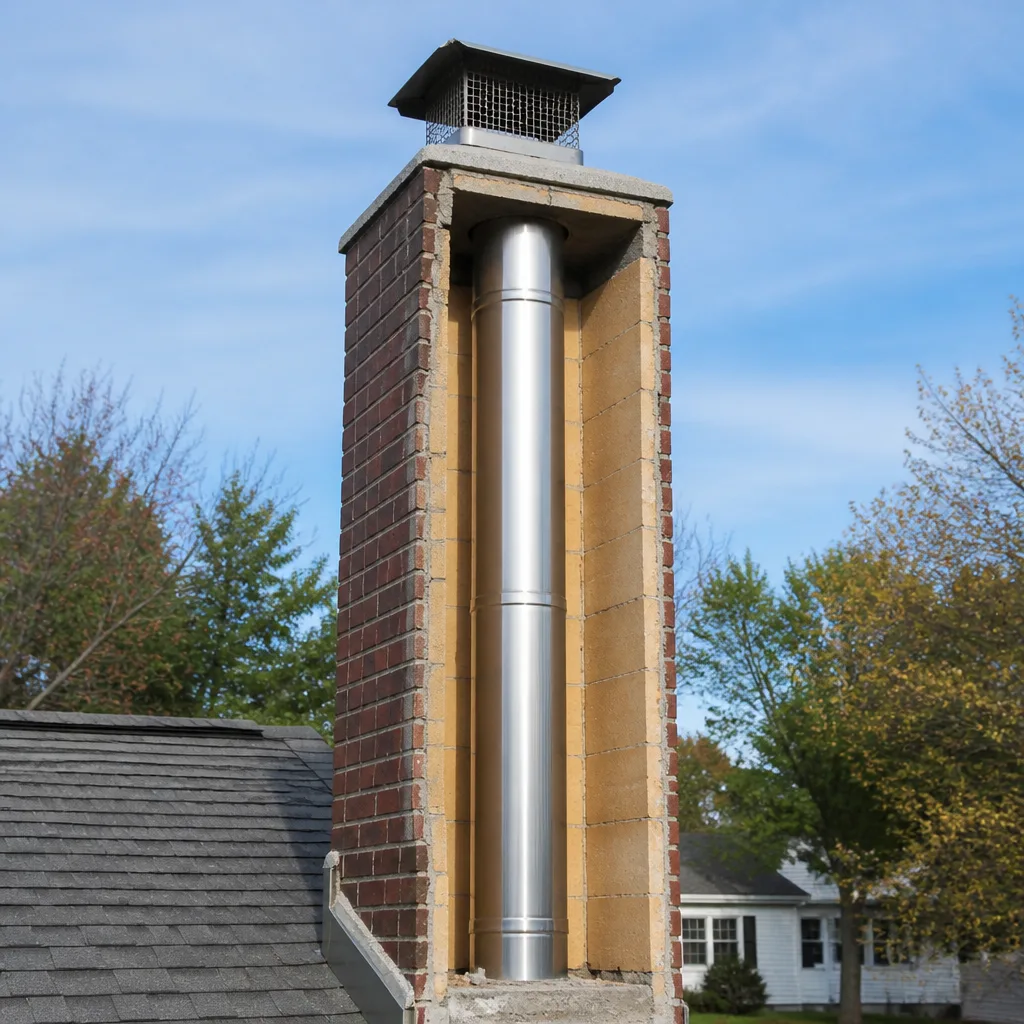 Flue relining
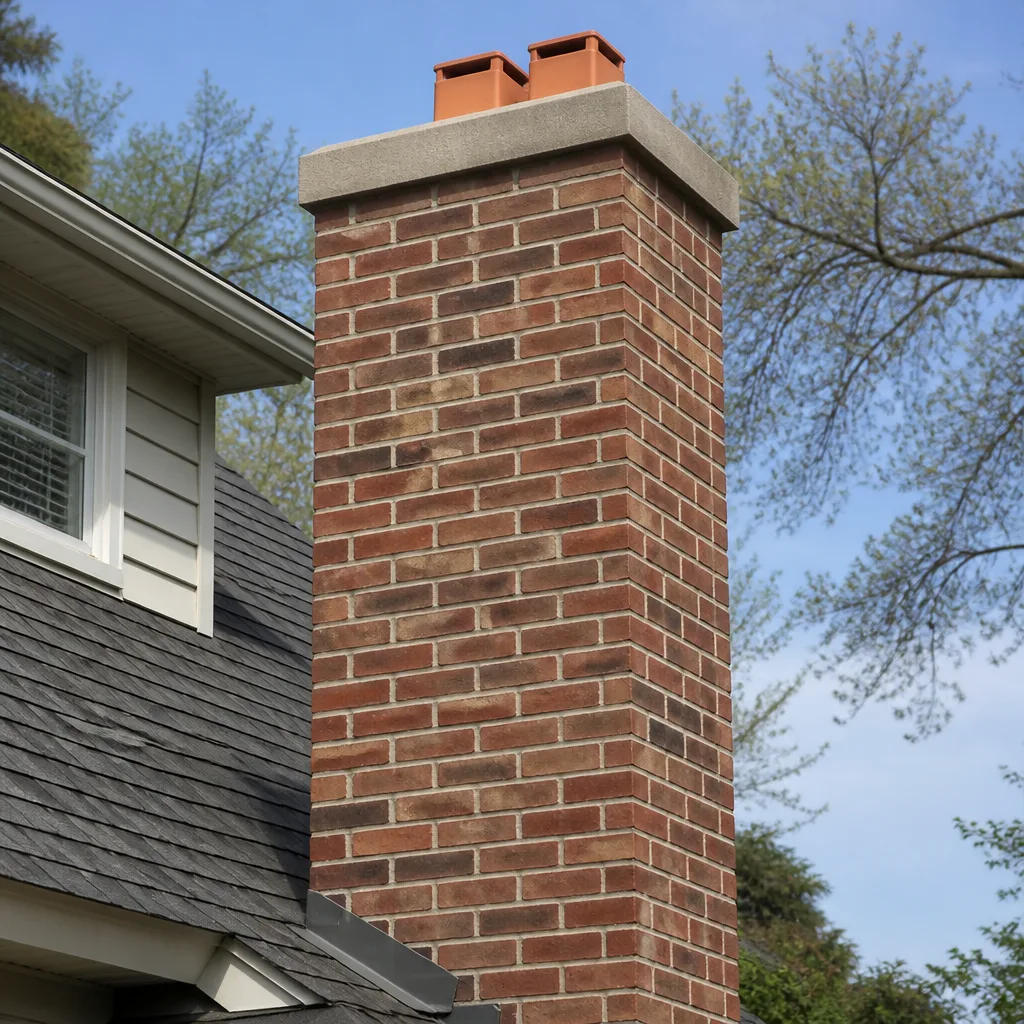 Masonry repair
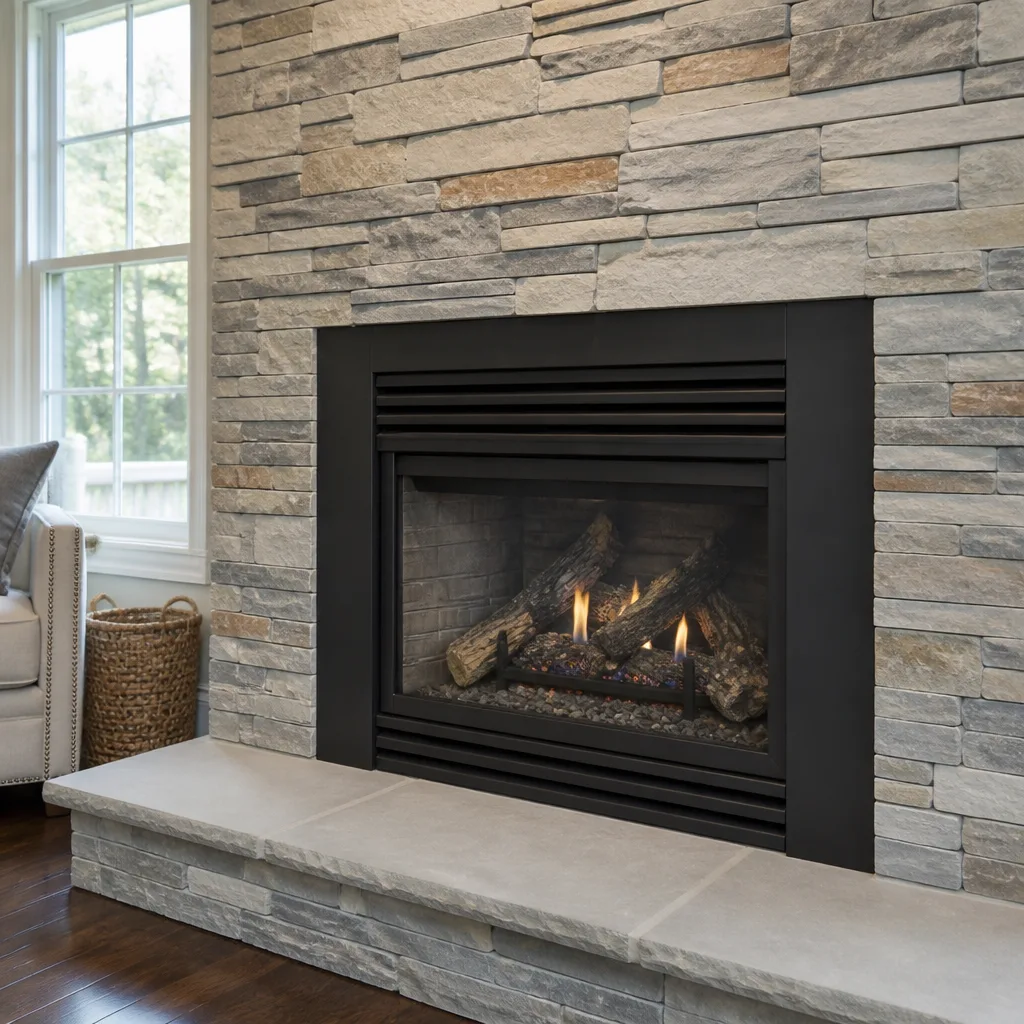 Gas fireplace service
Level 1 sweep and inspection to the NFPA 211 annual standard - flue, crown, cap, and flashing checked and photographed
Chimney sweep logs do not sweep chimneys. They loosen some creosote - which then falls where a brush and vacuum still have to collect it.
Choosing the Right Chimney Cleaning Brand: A Buyer’s Guide for Greensboro
Most homeowners assume a chimney liner is a chimney liner. That every roll of stainless steel flex is the same metal, and every crown patch is the same bucket of goop. It’s a reasonable assumption, and it’s wrong. The alloy grade inside a liner determines whether it holds up through a decade of Greensboro’s humid summers and sulfur-bearing flue gases or starts corroding within a few seasons, and most homeowners are never told which one they’re getting. This guide is about the products a chimney company actually puts inside and around your chimney system: brushes, liner systems, caps, crowns, sealants, and creosote treatments. You’ll learn the quality markers in each category, why UL listings matter, and the exact questions that separate a contractor working to a professional standard from one buying commodity materials on price.
Quick Answer
The right chimney cleaning brand is the company that uses professional-grade, UL-listed products in every category it touches – liner systems, caps, crowns, sealants, and creosote treatments – and can tell you exactly which brands it uses and why. In Greensboro, that means asking about alloy grade on liners (304 vs. 316L stainless), UL 1777 and UL 103 listings, and whether the sealants and components come from professional supply channels like DuraFlex, HeatShield, Olympia Chimney, Gelco, or Copperfield rather than a hardware-store shelf. We inspect it, we repair it, and we can name every product we put into your system.
Styles & brands we work with
- Sweep & inspection
- Caps & crowns
- Flue relining
- Masonry repair
- Gas fireplace service
Table of Contents
- The Six Product Categories in a Chimney Service Visit
- Why Stainless Steel Liner Quality Matters in Greensboro
- What UL 1777 and UL 103 Listings Actually Prove
- Professional Sealants vs. Hardware-Store Alternatives
- Chimney Caps for the Triad: Wind, Wildlife, and Storms
- How to Ask a Contractor About the Products They Use
- Common Mistakes to Avoid
- When to Call a Professional
The Six Product Categories in a Chimney Service Visit
A chimney service visit touches far more than a brush and a vacuum. Understanding the six product categories involved lets you evaluate a contractor’s choices category by category instead of judging the whole visit on price alone. Here’s what each category covers and the quality indicators worth watching.
1. Brushes and sweeping tools
Brushes are sized to the flue and matched to the material. Polypropylene brushes are standard for stainless liners because metal bristles can scratch the alloy surface, which creates corrosion points over time. Wire brushes belong on masonry flues where heavy glaze has built up. A professional sweep selects the brush for the flue type – not whatever fits the rod.
2. Liner systems
This is the category where quality differences are largest and least visible. Look for UL-listed stainless flex or rigid liner, correct alloy grade for the fuel type, and insulation appropriate to the application. HeatShield and DuraFlex are examples of professional-tier liner and restoration products used by specialists rather than weekend installers.
3. Caps and top closures
A cap is a small part doing a big job: keeping rain, animals, and sparks out while letting exhaust flow. Stainless or heavy-gauge galvanized caps with welded mesh hold up best. Thin stamped caps rust out and blow off.
4. Crowns and crown coating
The crown is the concrete cap on top of the masonry chimney. It cracks with freeze-thaw cycles and lets water into the structure. Crown coating products range from thin hardware-store paints to flexible, fiber-reinforced coatings built for masonry.
5. Masonry sealants and waterproofing
Breathable masonry water repellents protect brick and mortar without trapping moisture. Film-forming sealers trap water and cause spalling. The distinction matters in a wet climate.
6. Creosote treatments
Chemical creosote modifiers and soot removers help loosen hardened deposits so they can be swept out. Professional-grade treatments are applied with an understanding of stage-three glaze versus light soot, and they’re never a substitute for mechanical sweeping.
Why Stainless Steel Liner Quality Matters in Greensboro
Not all stainless steel chimney liners are equivalent. The two alloy grades you’ll encounter most often in residential relining are 304 and 316L stainless, and the difference between them is the difference between a liner that lasts and a liner that fails early. 304 stainless handles the relatively benign exhaust of a gas appliance well. 316L contains molybdenum, which gives it added resistance to chlorides and sulfur compounds – the chemicals present in oil and wood exhaust. In Greensboro, where humidity is high through much of the year and wood smoke carries sulfur-bearing compounds, 316L is the safer grade for a wood-burning flue.
Here’s what most homeowners are never told: some installers quote a “stainless liner” without specifying the grade, and the price difference between 304 and 316L is small enough that a homeowner would never notice it on a quote unless they asked. Aluminum liners exist too and are fine for certain gas applications, but they have no business in a wood flue.
Beyond alloy, three other liner details matter:
- Insulation: A wrapped or poured insulation layer keeps flue gases hot, which reduces creosote condensation and helps draft. Uninsulated liners run colder and soot up faster.
- Rigid vs. flex: Flex liner handles offsets and curves in an existing chimney. Rigid sections offer a smoother interior surface and better draft in straight runs. Many jobs use a combination.
- Connection and termination: The top plate, the appliance connector, and the cap all need to be matched to the liner system. A premium liner with a cheap stamped cap at the top is a compromised system.
Our technicians have up to 11 years of experience working with liner systems, and one of the most common conversations we have in Greensboro is explaining why a cheaper liner quote was cheaper. Sometimes it’s 304 instead of 316L. Sometimes it’s missing insulation. Sometimes it’s a non-listed brand with no third-party testing behind it. Know what you’re buying before you sign. For relining and restoration work, we work with products like HeatShield and DuraFlex because they’re built for the demands of a working wood flue.
What UL 1777 and UL 103 Listings Actually Prove
UL 1777 and UL 103 are third-party safety standards for chimney products, and a listing is proof that the product was tested to perform under defined conditions rather than simply manufactured and shipped. A liner without a listing is an unknown quantity regardless of how good the metal looks in the box.
Here’s the short version of what each standard covers:
- UL 1777: The standard for chimney liners. It covers the liner’s ability to contain flue gases, resist corrosion and heat, and perform as a complete system with its connectors and components.
- UL 103: The standard for factory-built chimneys and venting. It covers the full vent assembly including the outer casing, insulation, and terminations.
Both standards apply to the system, not just the metal tube. That’s an important nuance. A liner listed to UL 1777 is listed as a system with the components that go with it. If a contractor mixes a listed liner with unlisted connectors or an unlisted top plate, the system as a whole is no longer a listed assembly. That’s why a professional installation includes the correct termination hardware from the same product family.
How to ask about compliance before installation:
- Ask for the specific product name and manufacturer of the liner being quoted.
- Ask whether the liner is listed to UL 1777, and request the listing reference or a look at the product label.
- Ask which connectors, top plate, and cap come with it and whether they’re from the same listed system.
- Ask whether the alloy grade is 304 or 316L, and why that grade was chosen for your appliance.
- Confirm the installation will follow the manufacturer’s listed instructions, which is part of what the listing requires.
If a contractor can’t answer these, that’s not a reason to argue – it’s a reason to get another quote. In Greensboro, our team walks every homeowner through the listing question before any liner goes in, because we’d rather you understand the system than trust us blindly.
Professional Sealants vs. Hardware-Store Alternatives
Chimney sealants look interchangeable from the outside and aren’t. The difference between a professional-grade crown coating or masonry water repellent and a hardware-store alternative shows up within a few seasons in Greensboro’s wet, humid climate, where the masonry is wet, drying, and wet again through the year.
Two categories do most of the work:
Crown coating
The crown – the concrete cap at the top of a masonry chimney – takes the most weather of any part of the structure. Hairline cracks are normal, and water gets in them. A good crown coating is a flexible, fiber-reinforced product that bridges small cracks and moves with the concrete as it expands and contracts. Thin cement patching and paint-like coatings crack open again quickly. Professional crown coatings stay slightly elastic and can take a foot-traffic-tough surface without needing to be redone every couple of years.
Masonry waterproofing
Brick and mortar need to breathe. A vapor-permeable water repellent coats the masonry surface and makes it shed water while still allowing moisture inside the wall to escape. A film-forming sealer seals water out and traps moisture in, which pushes the damage inward – spalling brick faces, crumbling mortar joints, and water finding its way into the flue. Most hardware-store “brick sealers” are film-forming. Professional-grade repellents are not.
One more product worth naming: HeatShield, a resurfacing system used to restore damaged flue interiors. It’s a different tool than a sealant – it rebuilds the flue’s structural surface – but it belongs in the same conversation about the products a professional uses to protect a masonry chimney from the inside and the outside. When we talk through a repair, we say which product is going where and why, so the homeowner can see that each side of the chimney has its own material requirement.
There’s a practical test for a sealant quote: ask whether the product is breathable, and how long the manufacturer says it lasts before reapplication. A contractor buying on price usually can’t answer either.
Chimney Caps for the Triad: Wind, Wildlife, and Storms
A chimney cap is the small piece on top that decides how much water, wildlife, and storm debris gets into your flue. In the Triad, where thunderstorms roll through in the warmer months and winter wind runs across open rooftops, a cap is doing real work all year.
What performs in this region:
- Stainless steel or heavy-gauge galvanized: Stainless is the longer-lived choice, especially on a chimney that sees wet, humid summers. Thin stamped caps are the ones you see rusted through and blown off after a strong storm.
- Welded mesh screens: Mesh keeps squirrels, birds, and bats out. Stapled or spot-welded mesh on a cheap cap comes loose and creates an opening.
- Proper sizing: A cap needs to cover the flue with enough clearance for exhaust to flow freely. Undersized caps restrict draft. Oversized caps can catch wind like a sail.
- Animal-resistant design: In Greensboro, wildlife pressure on uncapped chimneys is real – a squirrel in a flue is a common service call. A cap with a solid roof and sturdy mesh is the practical fix.
Custom caps on masonry chimneys are worth the conversation when the flue opening is unusual or the existing crown has multiple flues. Olympia Chimney makes caps and top closures designed to be matched to the venting system – a better outcome than a generic cap from a shelf that sort of fits. We match the cap to the flue and to the chimney’s construction because a cap that doesn’t seat correctly is a leak waiting to happen.
How to Ask a Contractor About the Products They Use
The five-minute version of quality due diligence is asking about products by name. A contractor buying commodity materials on price usually gets vague at this point. A contractor working to a professional standard gets specific. Here are the questions that separate the two:
- “Which brands do you use for liner systems?” A professional names them: DuraFlex, HeatShield, Olympia Chimney, and so on. If the answer is “whatever the supplier has,” ask a different contractor.
- “What alloy grade is the liner, and why that grade?” Look for 316L on a wood flue, 304 or aluminum on the appropriate gas application. A good answer explains the choice in terms of fuel type and flue conditions.
- “Is the liner UL-listed, and what’s the reference?” Expect UL 1777 for the liner and a listed system for the whole assembly.
- “Do you apply a breathable waterproofing, and what’s the product name?” If the contractor uses a hardware-store film-former, the product name will give it away, and you can ask whether it traps moisture.
- “What crown coating do you use, and how long does it last?” Professional coatings are fiber-reinforced and flexible. The answer should include a lifespan, not a shrug.
- “Where do you source your caps and crowns?” Professional supply channels like Copperfield and Famco are a signal. Big-box tiles are not.
- “Who inspects my chimney, and who does the repair?” If the answer is different companies, you’re now coordinating two contractors and the repair quote is a separate negotiation. One provider for chimney repair and inspection keeps the accountability in one place.
None of these questions is aggressive. They’re the questions any professional should be happy to answer. Our team takes a sweep, an inspection, and a repair as one conversation because we inspect it, we repair it, and we want you to see what we found before you authorize anything. A chimney sweep in Greensboro is a good starting point to open that conversation. You can also read more about how we work across Greensboro on our main page, Greensboro Chimney Cleaning.
Common Mistakes to Avoid
These are the recurring things we see in Greensboro when a homeowner calls us after another contractor’s work – or after a few years of deferring the whole chimney. Each one is avoidable with a little information up front.
- Accepting “stainless steel liner” as a complete answer. The grade matters, and unspecified stainless usually means the lower-cost 304. Ask for the grade in writing.
- Skipping the UL listing question. A liner without a listing has no third-party testing behind it. A listed system is the baseline, not a premium option.
- Applying a film-forming sealer to brick. Hardware-store sealers trap water and cause spalling over time. Breathable masonry waterproofing is the right product in our wet climate.
- Letting a cheap cap rust out at the top of a good system. A $30 stamped cap can let water into a professional liner. Match the cap to the system.
- Treating creosote treatment as a substitute for sweeping. Chemical modifiers help loosen glaze, but they only pay off when the sweep follows up and clears it out.
- Hiring a generalist contractor for a chimney job. Chimney work needs the right brushes, the right materials, and the ability to see inside a flue with a camera. General handymen don’t carry that inventory or equipment.
- Coordinating two contractors for inspection and repair. When the inspecting company isn’t the repairing company, the repair quote becomes a separate argument. Keep both in one provider.
When to Call a Professional
Some chimney work can wait a season. Some genuinely can’t. Call a professional when you’ve had a chimney fire or suspect one – a loud rumble, popping, or pieces of creosote coming off the flue inside. Call when you smell smoke in the house with the fireplace running, when the damper won’t move, or when draft has changed noticeably. Call when you can see cracked or missing mortar joints, a damaged crown, or water stains on the firebox. Call when you’ve just moved into a home with a fireplace and don’t know when the last sweep happened – a baseline inspection answers more than any guess. Call if a chimney cap is missing or has blown off, because the flue is open to weather and wildlife until it’s covered.
For annual maintenance, the right time in Greensboro is before the burning season – a sweep and inspection in the fall means the flue is ready when you want the fireplace and not in the middle of an evening when smoke is coming into the room.
Greensboro Chimney Cleaning offers free estimates in Greensboro. Call (888) 366-5537. We answer 24/7. Fast dispatch from 7am to 7pm, Sunday through Friday.
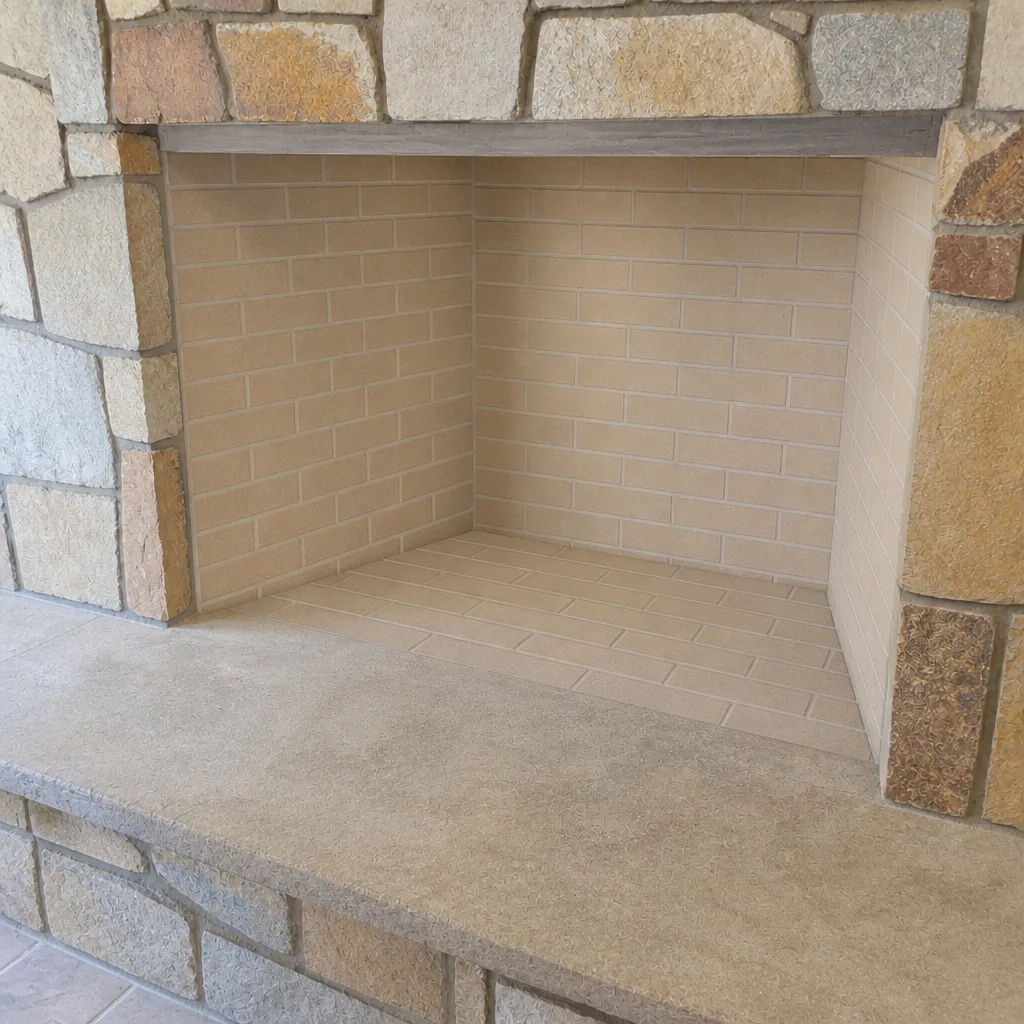
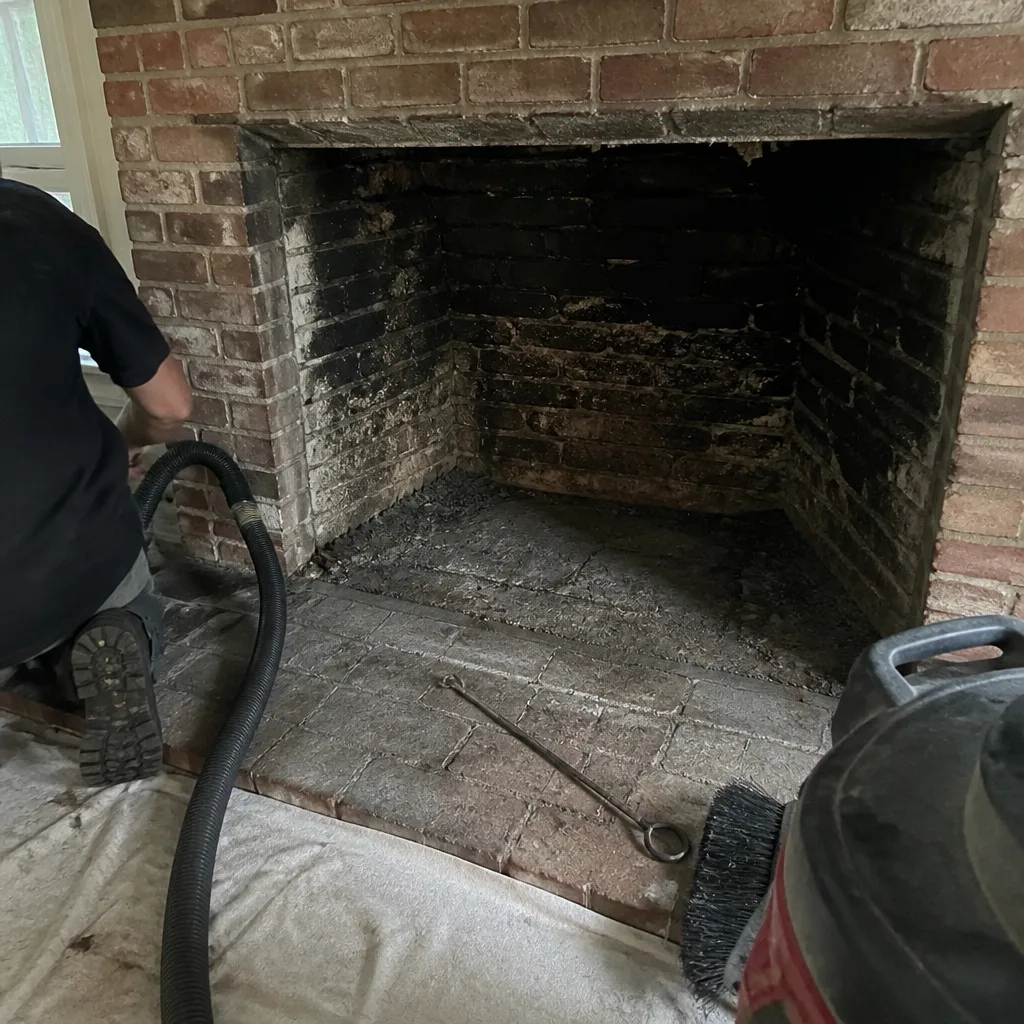
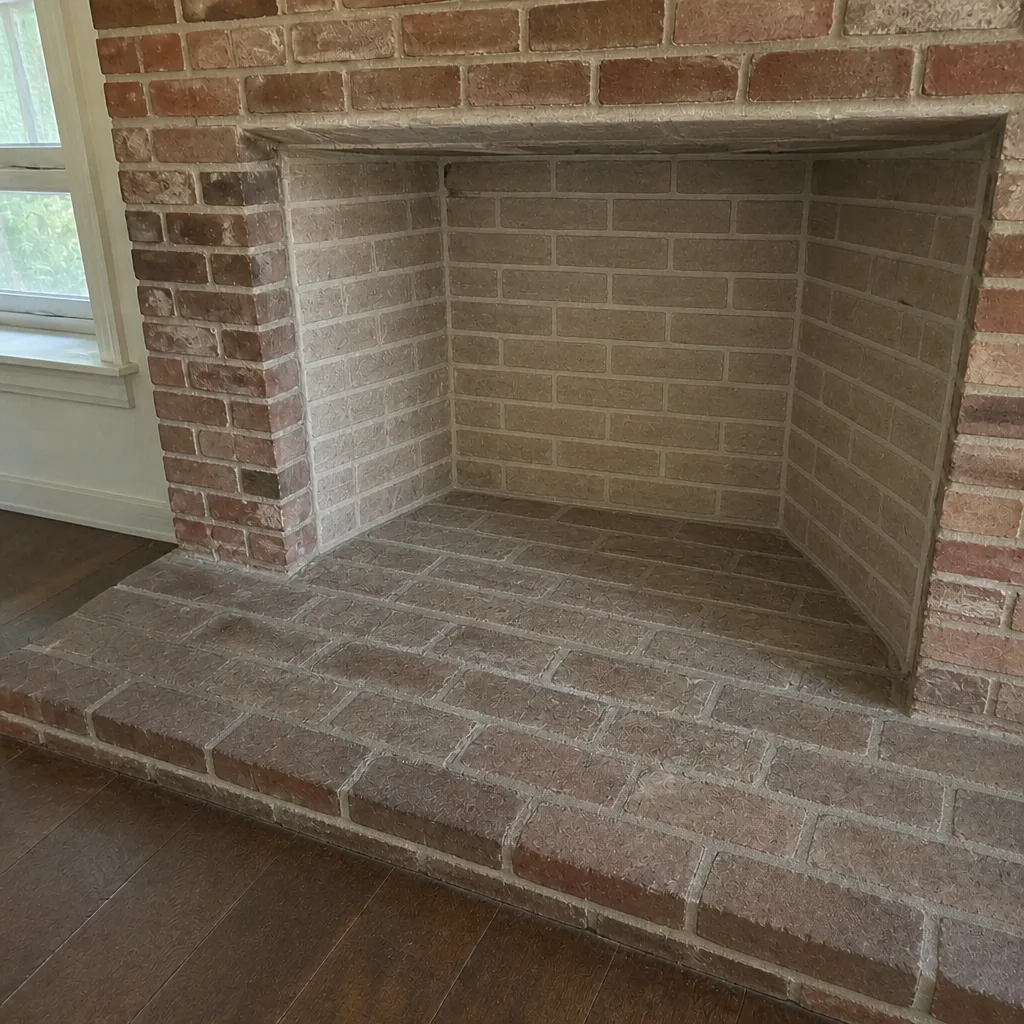
See the difference
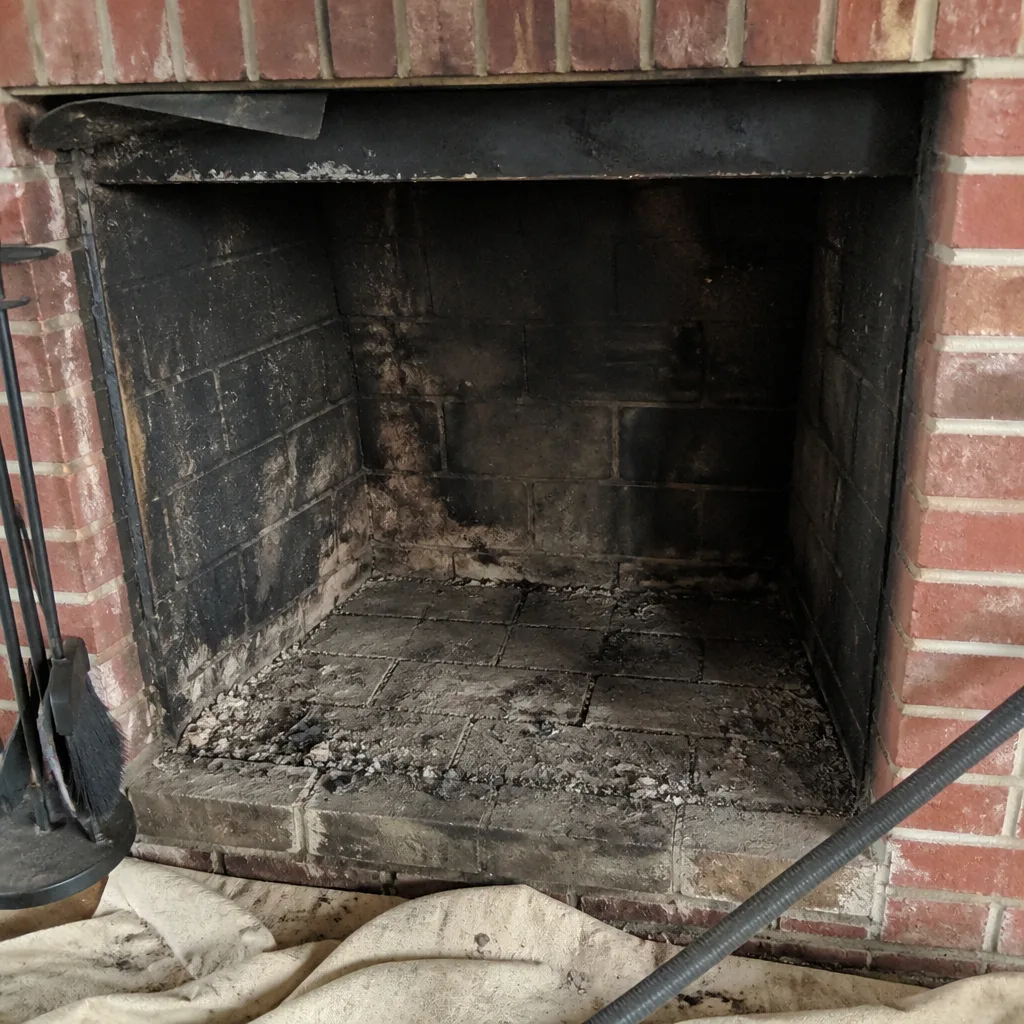 Before
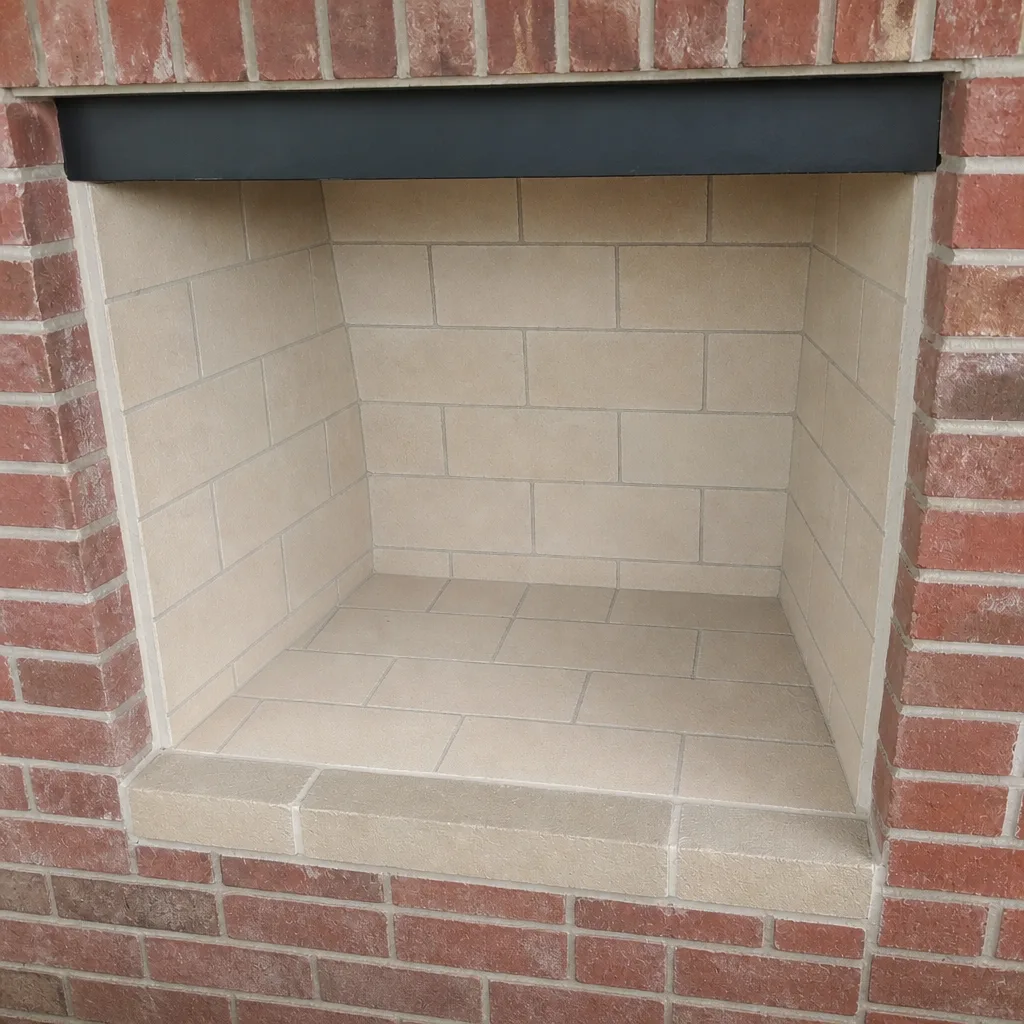 After
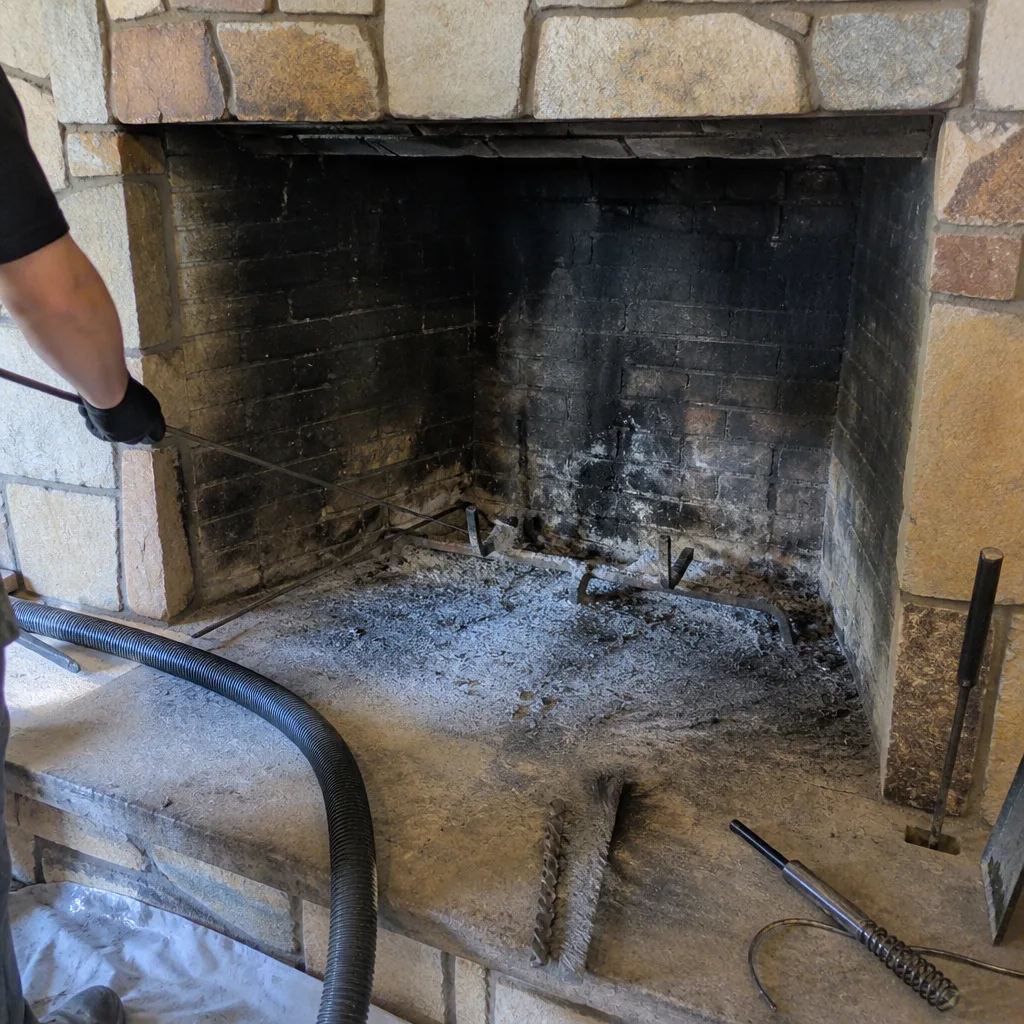 Before
 After
 Before
 After
Frequently Asked Questions
A professional chimney company uses brands built for professional installation and tested to third-party standards. On the liner side, that means products like DuraFlex and HeatShield in the appropriate applications. For components like caps and crowns, products sourced through professional supply channels such as Olympia Chimney, Copperfield, and Famco are a sign the contractor is buying for performance rather than price. The important thing isn’t a specific name; it’s that the contractor can name the brand and explain why for each product category. Call (888) 366-5537 for an exact quote – estimates are free.
316L stainless is the higher grade and includes molybdenum for added corrosion resistance against chlorides and sulfur compounds, which makes it the better choice for a wood-burning flue in a humid climate. 304 stainless is a lower-cost grade that remains a good choice for certain gas appliances. Most failed liners fail on grade or missing insulation rather than on installation. Ask which grade is being quoted and why for your appliance. Call (888) 366-5537 for an exact quote – estimates are free.
Yes. UL 1777 is the safety standard for chimney liners, and UL 103 covers factory-built chimney and venting systems. A listing means the product was tested to perform under defined heat and corrosion conditions with the components installed as a system. An unlisted liner has no third-party testing behind it, however good the metal looks. Request the listing reference and confirm that the connectors, top plate, and cap are part of the listed assembly. Call (888) 366-5537 for an exact quote – estimates are free.
A stainless steel cap with a solid top and welded mesh screen performs best in the Triad. Stainless holds up through humid summers and storms better than thin stamped galvanized caps, which rust out and blow off. Welded mesh keeps wildlife out, which matters on uncapped flues in Greensboro. Sizing matters too: the cap should be matched to the flue diameter so exhaust still flows freely. Call (888) 366-5537 for an exact quote – estimates are free.
Look for a fiber-reinforced, flexible crown coating that bridges hairline cracks, and a vapor-permeable masonry water repellent rather than a film-forming sealer. Film-forming sealers trap moisture inside the brick and cause spalling. Professional-grade products last longer and are applied with an understanding of the masonry and the flue. Ask for the product name and the expected lifespan on both. Call (888) 366-5537 for an exact quote – estimates are free.
Annual sweeping and inspection is the standard for a chimney in regular use with a wood-burning fireplace. If you burn frequently through the winter, or if you’ve had a chimney fire, you may need more frequent service. Yearly maintenance looks at the whole system – flue, liner, cap, crown, firebox – not just the amount of soot. Sweeping before the burning season is the practical timing. Call (888) 366-5537 for an exact quote – estimates are free.
The Bottom Line
The products in a chimney system are the system. A liner’s alloy grade, its UL listing, the seals, the cap, and the crown coating all work together, and the contractor who installs them either knows that or doesn’t. You don’t need to become a chimney technician to make a good decision; you need the right questions and a contractor willing to answer them by name. Professional-grade materials from brands chimney specialists trust, matched to your specific flue, are the difference between a safe draft, clean burn and a flue that’s quietly failing behind the wall. We inspect it, we repair it, and we’ll name every product we recommend. Call (888) 366-5537 for a free estimate. We answer 24/7. Fast dispatch from 7am to 7pm, Sunday through Friday.
Written by the team at Greensboro Chimney Cleaning.