
Last updated November 15, 2026
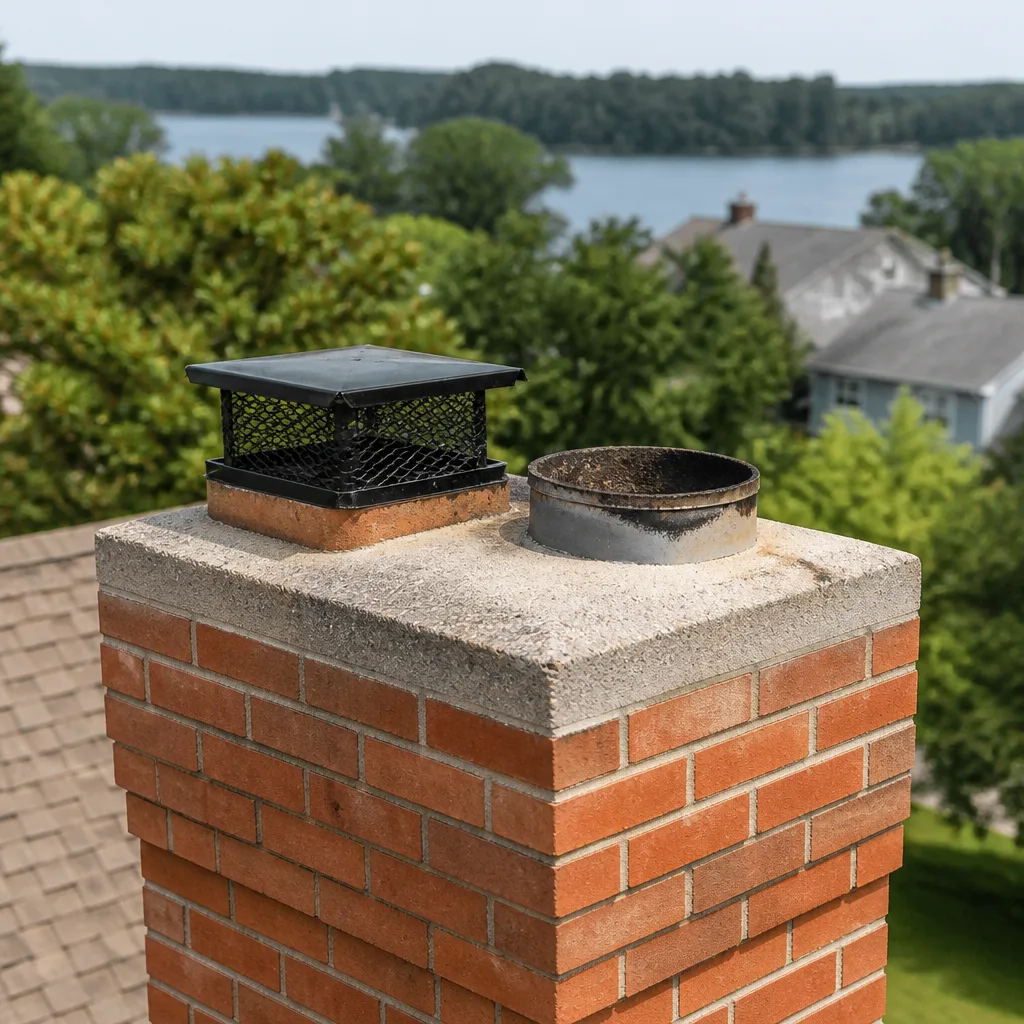 Sweep & inspection
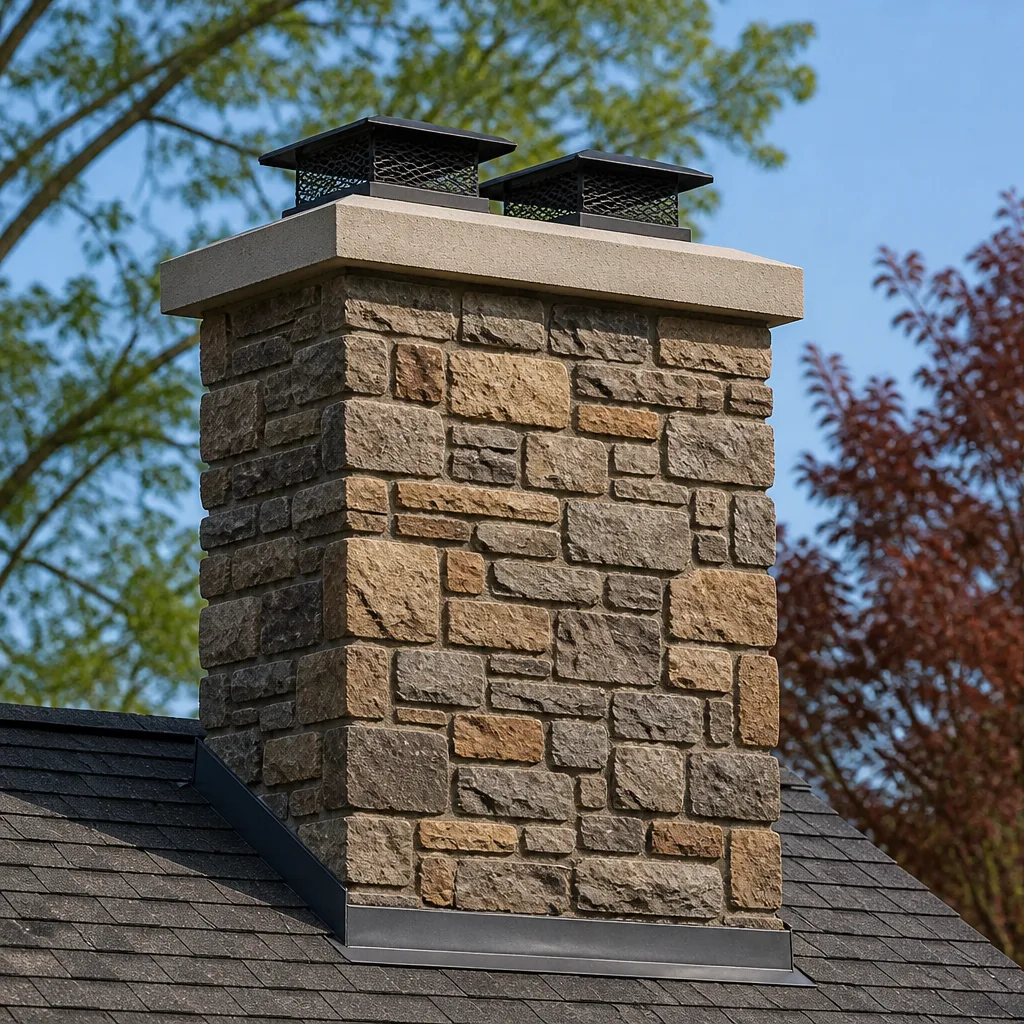 Caps & crowns
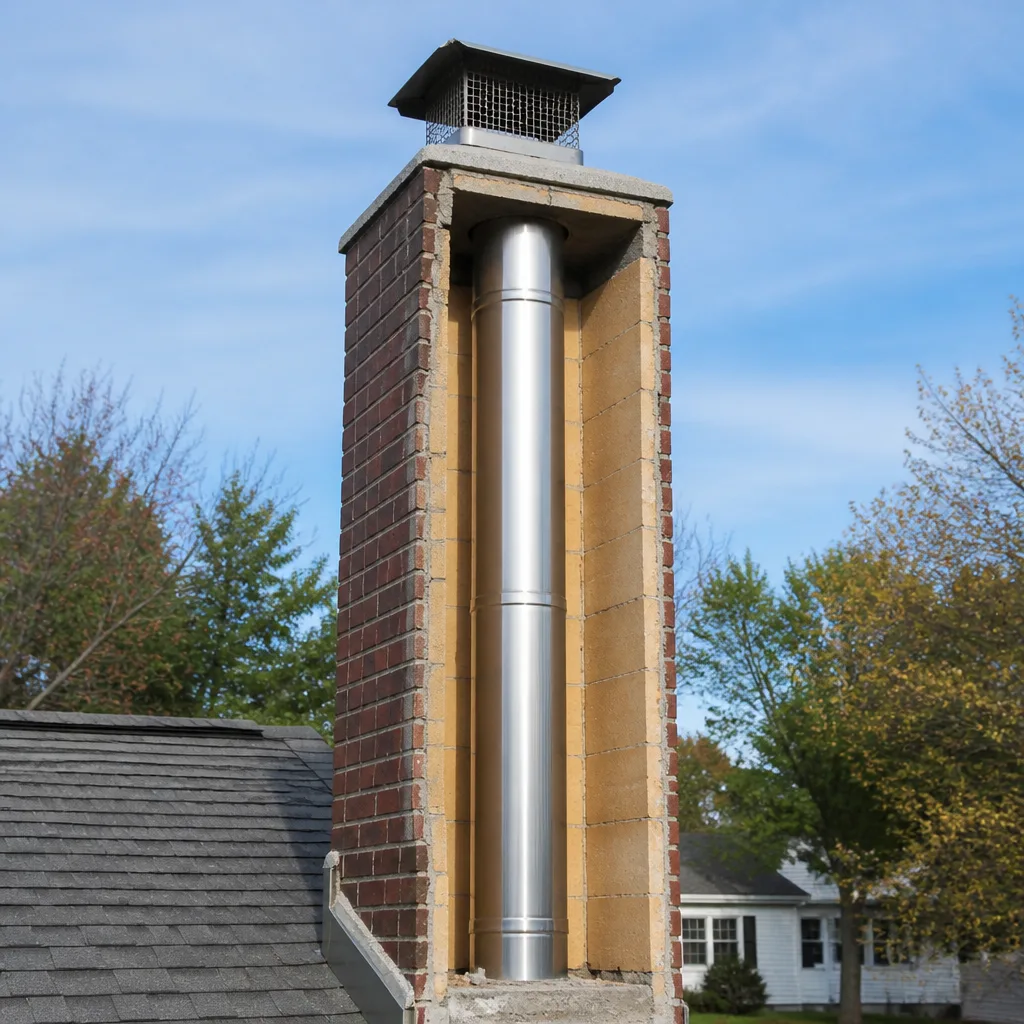 Flue relining
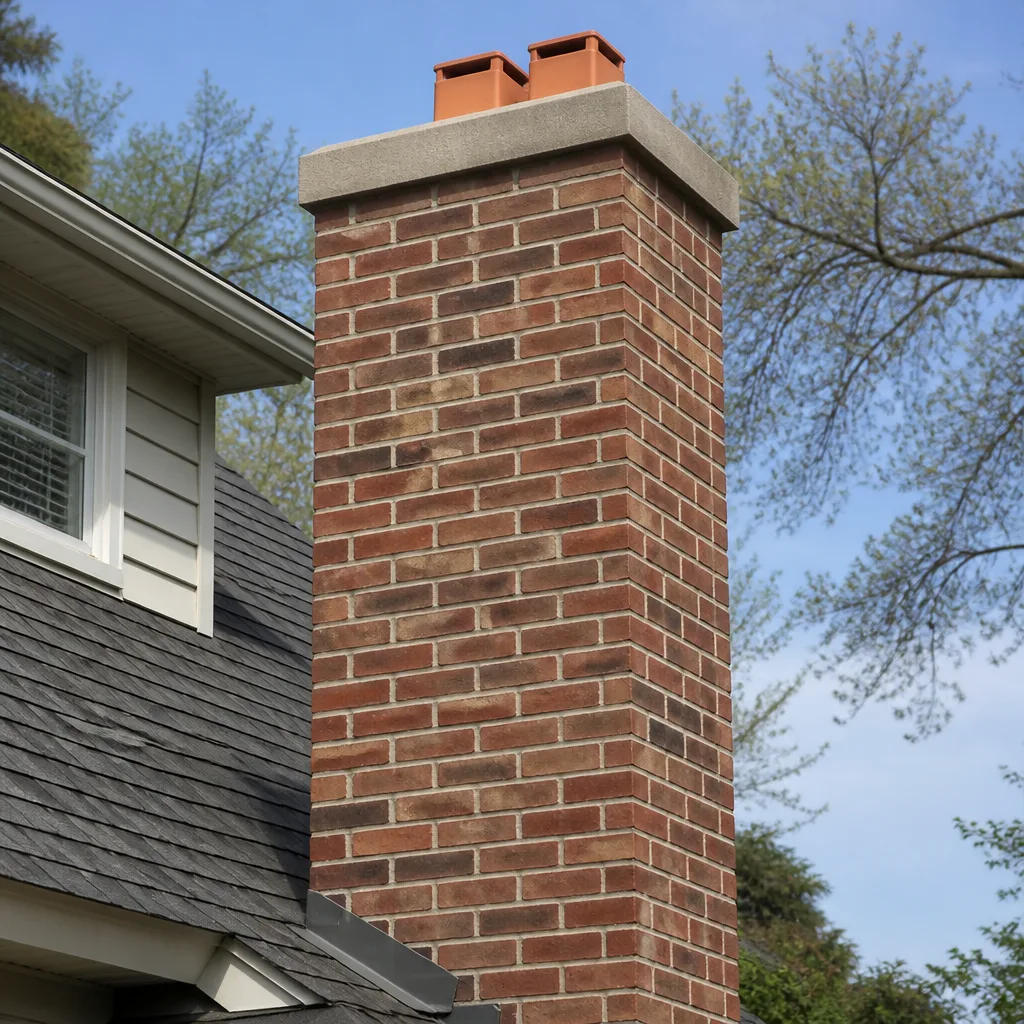 Masonry repair
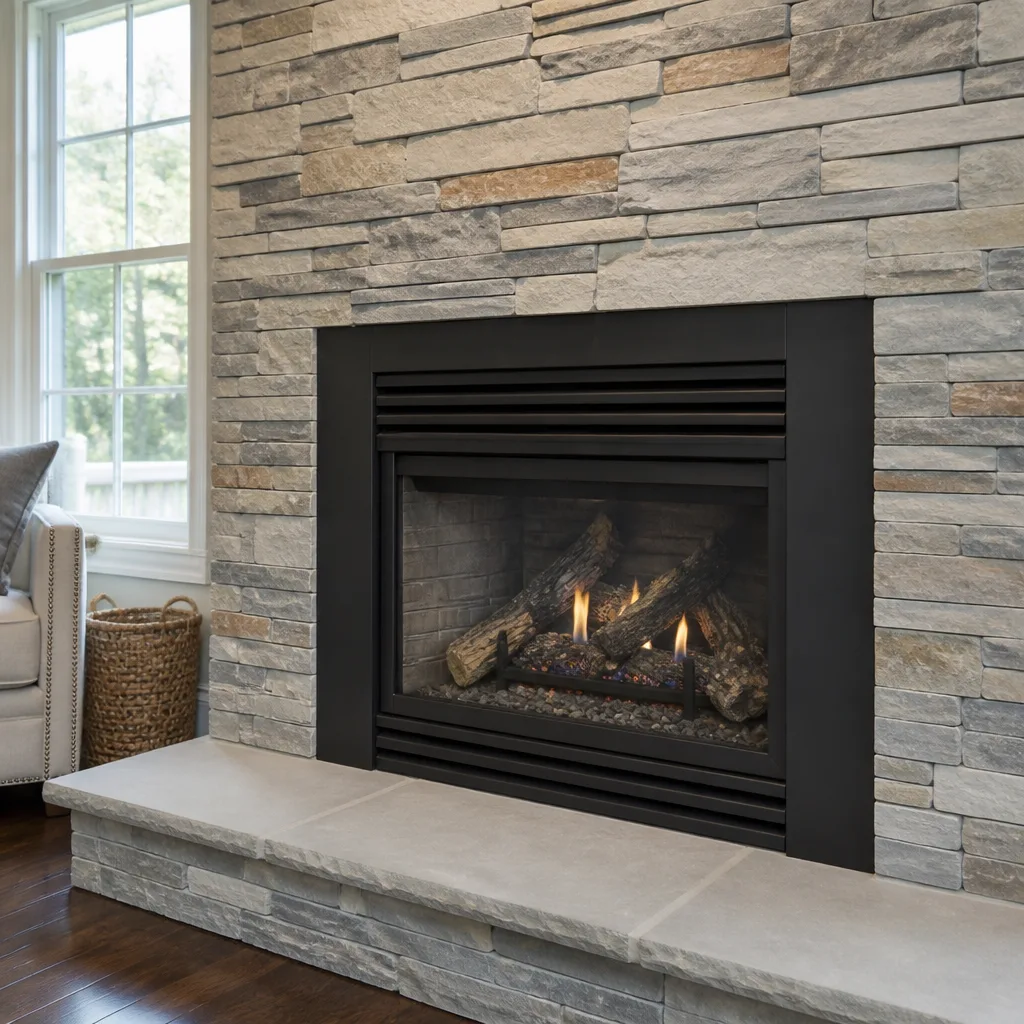 Gas fireplace service
Level 1 sweep and inspection to the NFPA 211 annual standard - flue, crown, cap, and flashing checked and photographed
Chimney sweep logs do not sweep chimneys. They loosen some creosote - which then falls where a brush and vacuum still have to collect it.
Chimney Cleaning Emergency Preparedness Guide for Greensboro Homes
A chimney fire doesn’t always announce itself. Most people picture flames shooting from the top of the flue and a sound like a freight train, and some fires do behave that way. But a slow-burning, low-temperature fire can creep along inside the liner with no visible flame, no roar, and no alarm going off in the house, quietly breaking down the flue system until the next fire event turns a small problem into a serious one. Greensboro homeowners who heat with wood need to know the difference between a chimney that’s working and a chimney that’s failing quietly. This guide walks through the three real chimney emergencies – active flue fire, carbon monoxide event, and storm damage – and exactly what to do for each.
Quick Answer
A chimney emergency is one of three events: an active flue fire, a carbon monoxide event tied to a blocked or failing venting system, or storm damage to the chimney structure or cap. Each needs a different response. For a suspected chimney fire, call 911 if you see flames or heavy smoke escaping the chimney or hear a roaring sound, then get everyone out. For a carbon monoxide alarm, leave the house and call 911, then have the venting system inspected before you use it again. After any of these events, the chimney needs a Level 2 inspection before the next fire.
Styles & brands we work with
- Sweep & inspection
- Caps & crowns
- Flue relining
- Masonry repair
- Gas fireplace service
Table of Contents
- How to Identify a Chimney Fire in Progress
- What to Do in the First Five Minutes of a Chimney Fire
- Carbon Monoxide Risk in Chimney Systems
- Post-Storm Assessment: What to Check Before the Next Fire
- What to Expect From a Post-Emergency Level 2 Inspection
- Building a Chimney Emergency Plan for Your Home
- Why Cleaning and Safe Draft Prevent Most Emergencies
- When Emergency Damage Means Repair or Relining
How to Identify a Chimney Fire in Progress
Most homeowners expect a chimney fire to look like a campfire in the fireplace. It rarely does. A flue fire burns inside the chimney itself, usually fed by creosote that has built up on the liner walls, and the firebox itself may look almost normal. In our experience, the tells cluster into three sensory categories worth memorizing before you ever need them.
Sounds
- A low, rumbling sound like distant thunder or a freight train, often noticed more as vibration than as a distinct noise.
- Popping, crackling, or ticking from inside the chimney wall rather than from the firebox.
- Whistling or a sucking sound at the damper or stovepipe joints as heated gas tries to escape.
Smells and Visual Cues
- A hot, metallic, or acrid smell that isn’t the normal wood-smoke aroma.
- Smoke drifting into the room despite the damper being open and the flue warm.
- Discolored or warped metal on the stovepipe, damper, or cap.
- Embers or sparks visible at the top of the chimney, sometimes called a “smoke explosion.”
- Cracks or crazing on the outside of a masonry chimney, or heat-glazed creosote visible during a later inspection.
One more cue that doesn’t get talked about enough: flue tiles that glow or creosote that has turned shiny, puffy, and swollen. That shine is the signature of a fire hot enough to bake the creosote, and it’s often found only after the fact. If you smell something metallic and off while the fireplace is running, treat it as a possible slow fire and investigate before going to bed. Identifying the event early is the difference between a chimney that needs a sweep and repair and a chimney that needs a new liner system.
What to Do in the First Five Minutes of a Chimney Fire
The correct response depends on one hard line: is the fire contained in the chimney, or has it spread into the structure? The two situations call for entirely different action, and the safest default is to treat a fire as a structure fire until you know otherwise. Here’s the sequence we recommend every Greensboro household commit to memory.
- Get everyone out of the room first. Do not stay to watch. Move people, pets, and a phone to a safe distance away from the chimney.
- Call 911 if you see flames or heavy smoke from the top of the chimney, hear a roaring sound, or see smoke inside the house. Firefighters would rather arrive at a contained flue fire than arrive late to one that has moved into the framing.
- If the fire is confined to the flue and no flames or smoke have escaped, close the damper and the firebox doors to cut the fire’s oxygen supply. Some homeowners use a chimney fire stick or a small flare dropped in from the top opening, but this is a technique to be used only when you’re certain the fire hasn’t spread and you can safely reach the roof.
- Do not use water on a hot masonry chimney. Rapid cooling can crack tiles and damage the structure more than the fire itself. Water is for the fire department to decide on.
- Watch for extension. Check walls, the attic, and the chimney chase for heat or smoke. If you find any, evacuate and call 911.
- Do not use the fireplace again until inspected. That includes the morning after. A fire can look out before the liner has failed.
If you’re not sure whether a flue fire has happened, err toward a professional inspection. The cost of an inspection is trivial compared to the damage a compromised liner can do on the next burn. And if you’re looking at an emergency in Greensboro, calling Greensboro Chimney Cleaning for a fast post-fire inspection is the practical next step once the fire department has cleared the scene.
Carbon Monoxide Risk in Chimney Systems
Carbon monoxide doesn’t smell, taste, or irritate. It’s a byproduct of incomplete combustion, and in a home with a wood-burning fireplace, insert, or fuel-burning appliance, the only thing keeping it out of your living space is a working draft and an intact flue. When draft fails or the liner is compromised, CO can back up into the house, and the conditions that cause it are common in Greensboro homes.
What Produces CO Infiltration
- A blocked or partially collapsed flue from creosote buildup, a fallen cap, bird or squirrel nests, or crumbling mortar.
- Negative pressure in the house from exhaust fans, a clothes dryer, or a tightly sealed newer home drawing air backwards down the flue.
- A cracked flue liner or firebox allowing exhaust gases to seep into the chimney chase and out into living space.
- An insert or stove piped incorrectly, or missing a liner connection at the appliance collar.
- A chimney that’s the wrong size for the appliance, so the flue never warms enough to pull reliably.
Detector Placement That Actually Catches It
Placement matters as much as having detectors at all. Install CO alarms on every level of the home, outside sleeping areas, and near (but not directly above) each fuel-burning appliance. Do not install them in the furnace closet, in the garage, or directly above the fireplace, where they can false-alarm. Test them at the same time you change the clocks. If an alarm sounds and you can’t explain it, treat it as real: get everyone outside, call 911, and don’t reenter until the fire department clears the house. Then have the chimney inspected before you light the fireplace again, because an unexplained CO event is often a chimney-symptom problem.
Post-Storm Assessment: What to Check Before the Next Fire
Greensboro sees its share of severe thunderstorms and the occasional ice event, and chimney damage from both tends to be invisible from the ground. A cracked crown, a dislodged cap, a piece of debris dropped into the flue, or a fractured tile are all common after a bad storm, and all can turn a normal fire into a dangerous one. Before you light a fire after any storm that brought down limbs or knocked power out, run through this check.
- Look at the cap and the top of the chimney from the ground. Is the cap still seated? Are the sides of a masonry chimney straight and unshifted?
- Check the flashing where the chimney meets the roof. Curled or lifted flashing lets water in, and water freezes and cracks mortar over winter.
- Look for debris in the firebox and smoke chamber. A limb, nest, or strip of shingle can lodge in the flue and block the draft.
- Smell for smoke backing up on a test fire. Light a small fire with the damper open and watch for smoke drifting into the room before you commit to a full burn.
- Watch for water stains or rust on the firebox, damper, or stovepipe. That’s a sign of a leaky crown or flashing that needs repair before using the fireplace again.
If anything looks shifted, cracked, or blocked, don’t burn until it’s been inspected. Storm-damaged crowns and caps are exactly the kind of problem a chimney repair call is designed for, and getting to it before the next freeze prevents a small repair from becoming a rebuild.
What to Expect From a Post-Emergency Level 2 Inspection
After any suspected chimney fire, a lightning strike, a storm that damaged the chimney, a flue collapse, or a change to the appliance or fuel type, the standard is a Level 2 inspection. This is the inspection category NFPA-required after any of those events. It goes well beyond what a routine annual check covers, and it’s what tells you whether the flue is still safe to use.
What a Level 2 Inspection Involves
- Access to all accessible portions of the chimney, including the attic, crawlspace, and roof, not just the firebox.
- A video camera scan of the flue interior to see the liner’s full length, including angles and offsets a flashlight can’t reach.
- Inspection of the firebox, damper, smoke chamber, flue, cap, crown, and flashing as one connected system.
- Documentation of what was found, usually with photos or video so the homeowner can see the same thing the technician saw.
What you walk away with is a clear picture: the fire damage may have been contained, or it may have opened cracks in the clay tiles or warped a metal liner that only a camera could see. From there, a sweeping, a relining, or no action at all each become an informed decision. We like homeowners to see the footage themselves, because it turns “we recommend a new liner” into “here’s the failure we found, and here’s why it matters.”
Building a Chimney Emergency Plan for Your Home
An emergency plan is worth more than a fire extinguisher nobody remembers the location of. It’s a fifteen-minute exercise, and it makes the difference between reacting well and reacting poorly. This is the one we suggest every Greensboro household write down and tape inside a kitchen cabinet.
- Know your shutoffs. Write down where the gas shutoff, the electrical panel, and the water main are, and make sure everyone in the household knows how to reach them.
- Locate your CO alarms. Confirm one is on every level and outside each sleeping area, and note when each was last tested.
- Keep a chimney fire plan. Know the closest exit, who grabs the pets, and where the family meets outside.
- Note the fire department’s non-emergency line if you’d use it for a contained flue fire, and 911 for anything else.
- Have a professional’s number on hand. Call (888) 366-5537. We answer 24/7 for scheduling, with fast dispatch from 7am to 7pm, Sunday through Friday.
- Book an annual inspection and sweep. The best emergency plan is not having an emergency. A chimney sweep once a year keeps creosote levels from reaching the danger zone and catches liner problems while they’re small.
Write the plan down. Families that rehearse an emergency respond faster and more calmly than families that haven’t, and a chimney emergency is no different.
Why Cleaning and Safe Draft Prevent Most Emergencies
Almost every chimney emergency we’re called to is preventable. Creosote buildup is the fuel for most flue fires, and it accumulates faster than most homeowners expect, especially in a Greensboro climate where the shoulder seasons bring cool nights, warm days, and a tendency to burn small, smoky, low-oxygen fires. Those cool, smoldering fires are the worst offenders, because they produce more creosote than a hot, clean burn.
What Keeps a System Safe
- An annual sweep, plus more often if you burn frequently, use a wood insert, or notice a lot of smoke at startup.
- Seasoned firewood, split and dried for at least a year, not green wood that hisses and smokes.
- Hot fires with plenty of air, rather than slow, smoldering fires left to burn overnight.
- A sound flue liner, whether clay tile, stainless steel, or a cast-in-place system.
- A properly fitted cap to keep water, animals, and debris out of the flue.
Our technicians have up to 11 years of experience assessing these systems, and the same conversation happens over and over: a homeowner hasn’t had the chimney swept in several years, and the creosote load has climbed well past what a safe fire can tolerate. We inspect it, we repair it, and we’d rather catch it during a routine sweep than after a fire. If your last sweep was more than a year ago, schedule one before the next cold snap.
When Emergency Damage Means Repair or Relining
Not every emergency needs a rebuild, and not every problem turns out to be minor. Fire damage is a spectrum, and the right answer depends on what the post-fire inspection actually finds.
The Typical Outcomes
- Cleaning only. A contained fire with no liner damage often just needs a sweep and a re-inspection.
- Relining. Cracked, spalled, or delaminated clay tiles, or a warped or perforated metal liner, call for a new liner system. This is the category where our work with HeatShield and DuraFlex systems comes into play, matching the repair method to the flue’s condition.
- Component replacement. A failed cap, a cracked crown, a damaged damper, or masonry that’s cracked and separating are all repair-scope problems.
- Masonry rebuild. Rarer, but possible after a severe fire or long-neglected water damage.
The advantage of working with a full-scope provider is that the same team that inspects the chimney is the one that repairs what it finds. We work with professional-grade materials from brands chimney specialists trust, including Gelco components and Olympia Chimney systems, so the parts going into your flue are the ones a specialist would install, not a hardware-store substitute. One relationship covers your chimney’s whole lifecycle, from the routine sweep to the emergency rebuild. If you live in Greensboro and you’re weighing a post-emergency repair, a written estimate is the honest place to start.
Common Mistakes to Avoid
- Ignoring a smell or a sound. A low rumble or a metallic smell during a fire is worth shutting the fireplace down over. Wait for a “real” fire signal and you’ve lost the window to respond cleanly.
- Burning again the next day. A flue fire can extinguish itself without the liner being safe. Inspect before you re-light.
- Skipping the Level 2 inspection after a suspected fire. A quick visual check from the firebox won’t reveal what a camera scan will. A hidden crack costs less to find now than later.
- Treating storm damage as cosmetic. A shifted cap or a lifted flashing seam is the entry point for water, and water in Greensboro’s freeze-thaw winters is what cracks mortar.
- Using the wrong wood. Green or unseasoned firewood is the leading cause of fast creosote buildup. Buy seasoned, split it small, and store it dry.
- Assuming a CO alarm in the basement is enough. Placement outside sleeping areas, on every level, is what catches a chimney-sourced CO event in time.
- Trusting a general contractor with your flue. A crack or a warped liner is a specialist problem. Work with someone who knows the difference between a cleaning job and a relining job.
See the difference
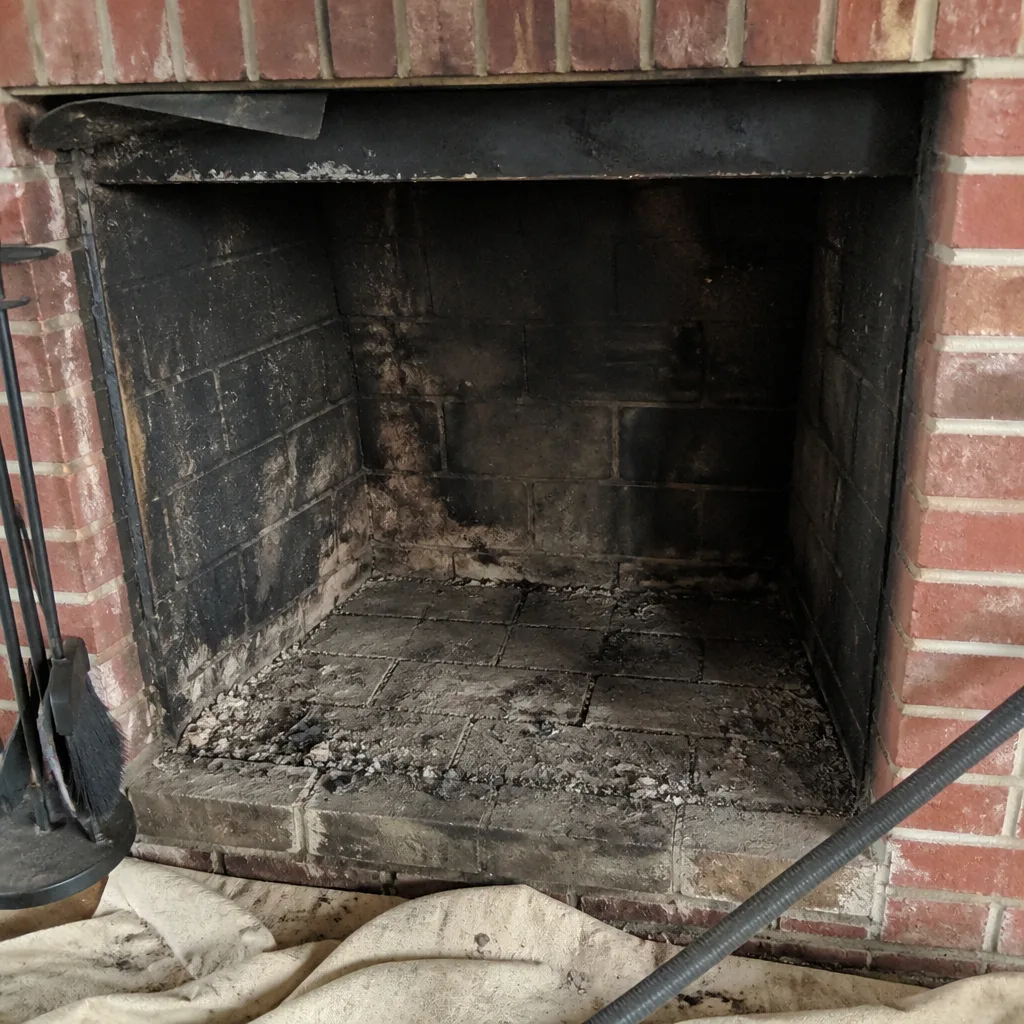 Before
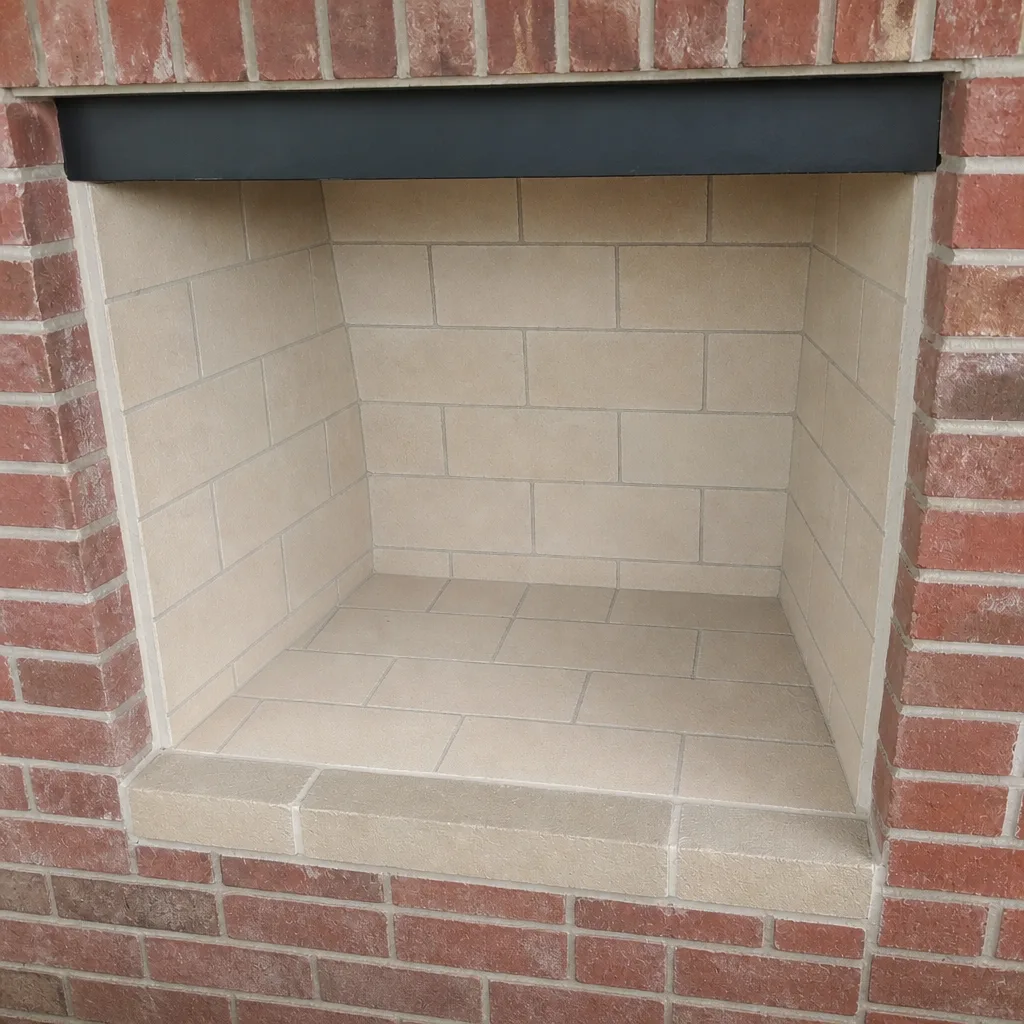 After
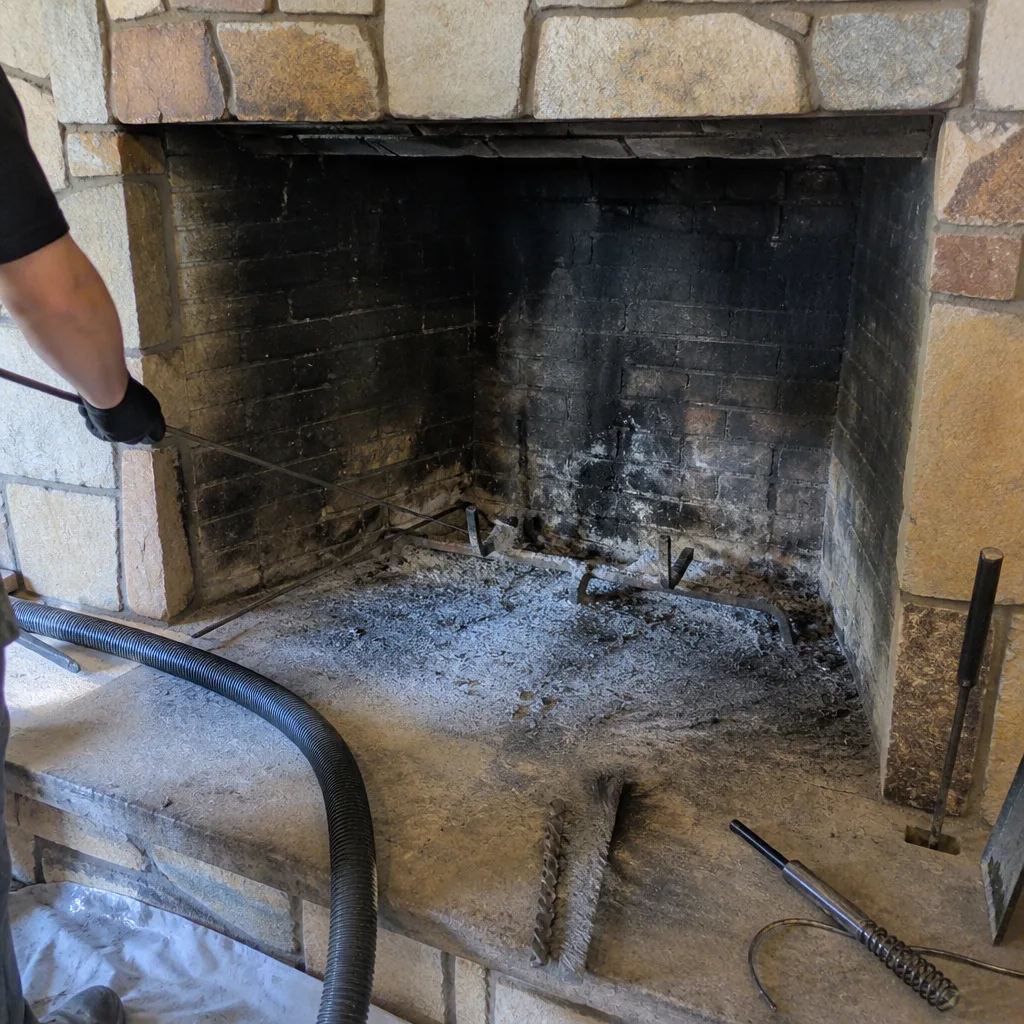 Before
 After
 Before
 After
When to Call a Professional
Call a professional chimney specialist after any suspected flue fire, after a storm that damaged the chimney or knocked debris into the flue, after a CO alarm sounds, after any noticeable change in how your fireplace drafts, after a lightning strike near the chimney, or before lighting a fireplace that hasn’t been used in a long time. Don’t light a fire if the chimney has cracked masonry, a loose or missing cap, a persistently smoky draft, or an unfamiliar smell. Greensboro Chimney Cleaning offers free estimates in Greensboro. Call (888) 366-5537. We answer 24/7 with fast dispatch from 7am to 7pm, Sunday through Friday.
Frequently Asked Questions
You may not, and that’s the point. A slow flue fire can burn with no visible flame, leaving a low rumble, a metallic or acrid smell, or warped metal at the damper as the only clues. Other fires announce themselves with a roaring sound, sparks at the top of the chimney, and smoke inside the house. If any of those happen, or if you’re just not sure, get a professional inspection before the next burn. Call (888) 366-5537 for an exact quote – estimates are free.
Yes, if you see flames or heavy smoke coming from the top of the chimney, hear a roaring sound, or see smoke inside the house. If the fire is contained in the flue, closing the damper and watching for extension can stop it, but 911 is the right call whenever you’re uncertain. Never wait to confirm before you act.
A Level 2 inspection is the standard inspection category after any suspected chimney fire, a storm event, a flue collapse, a lightning strike, or a change in appliance or fuel type. It includes a camera scan of the full flue, plus inspection of the firebox, damper, cap, crown, and flashing. Yes, you need one after an emergency event, because a visual check can miss a liner failure a camera will catch.
Only after you’ve checked it. Look from the ground for a shifted cap, cracked crown, or leaning masonry, and look inside for debris or a blocked flue. Do a small test burn and watch for smoke that backs up into the room or a draft that feels wrong. If anything is off, have it inspected before a full fire. A damaged chimney is a real safety risk, and it’s worth a call.
Once a year is the standard, and more often if you burn frequently or use the fireplace as a primary heat source. Creosote builds up faster with cool, smoldering fires, which are common in Greensboro’s mixed winter climate. A sweep once a year is what keeps the creosote load low enough to make a flue fire unlikely. Call (888) 366-5537 for an exact quote – estimates are free.
CO backs up when draft fails or the flue is compromised. Common causes include a blocked or collapsed liner, negative pressure from exhaust fans or a tightly sealed house, a cracked firebox, or an insert that’s piped incorrectly. A working draft and an intact liner are what keep CO out. If your CO alarm goes off, evacuate and call 911 first, then get the chimney inspected.
The Bottom Line
Three chimney emergencies actually matter: an active flue fire, a carbon monoxide event, and storm damage. Each has its own response, and each ends with the same next step – a Level 2 inspection before the fireplace is used again. A slow flue fire is the one most homeowners miss, so learn the sounds and smells now, not during a fire. The best emergency plan is prevention: an annual sweep, seasoned firewood, a working cap, and a CO alarm on every level. If you’re in Greensboro and want a system looked at by a specialist who also does the repair work, call Greensboro Chimney Cleaning at (888) 366-5537 for a free estimate. We answer 24/7 with fast dispatch from 7am to 7pm, Sunday through Friday.
Written by the team at Greensboro Chimney Cleaning.