
Last updated November 15, 2026
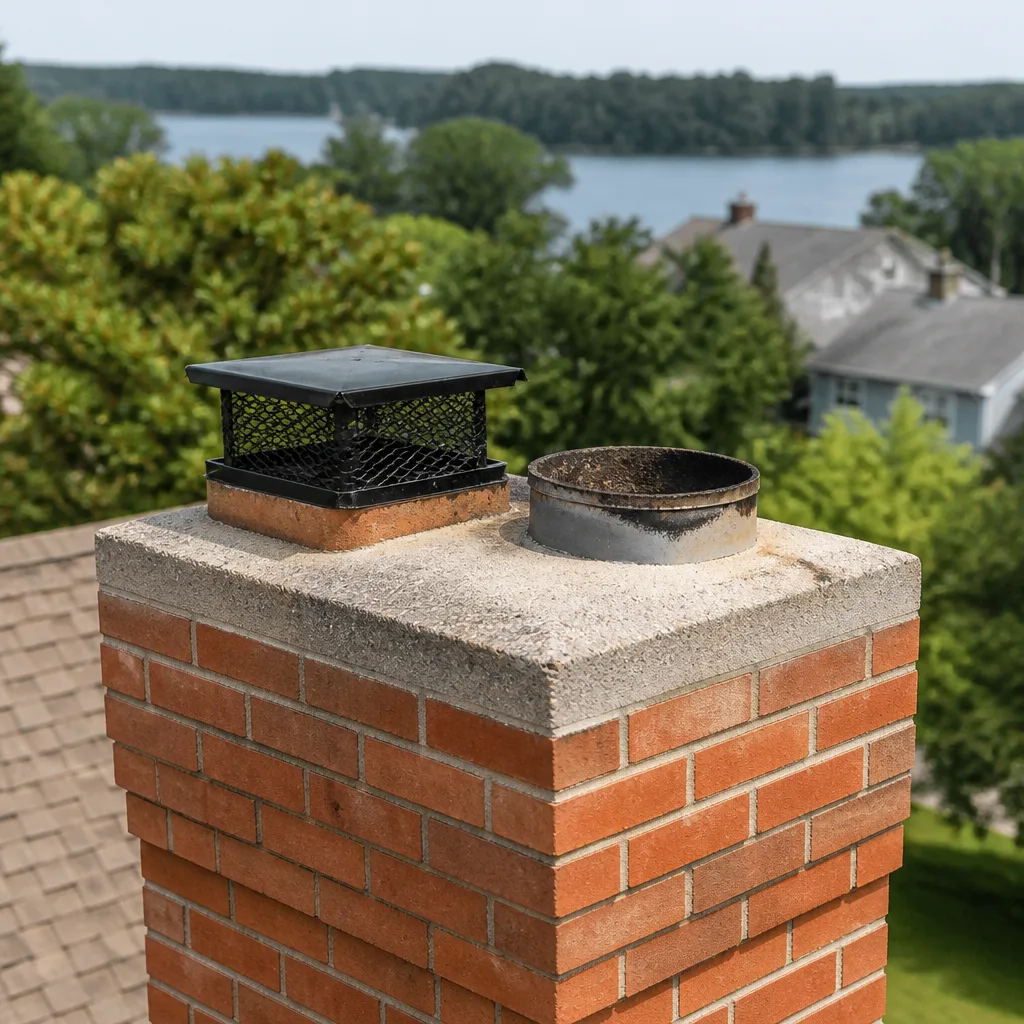 Sweep & inspection
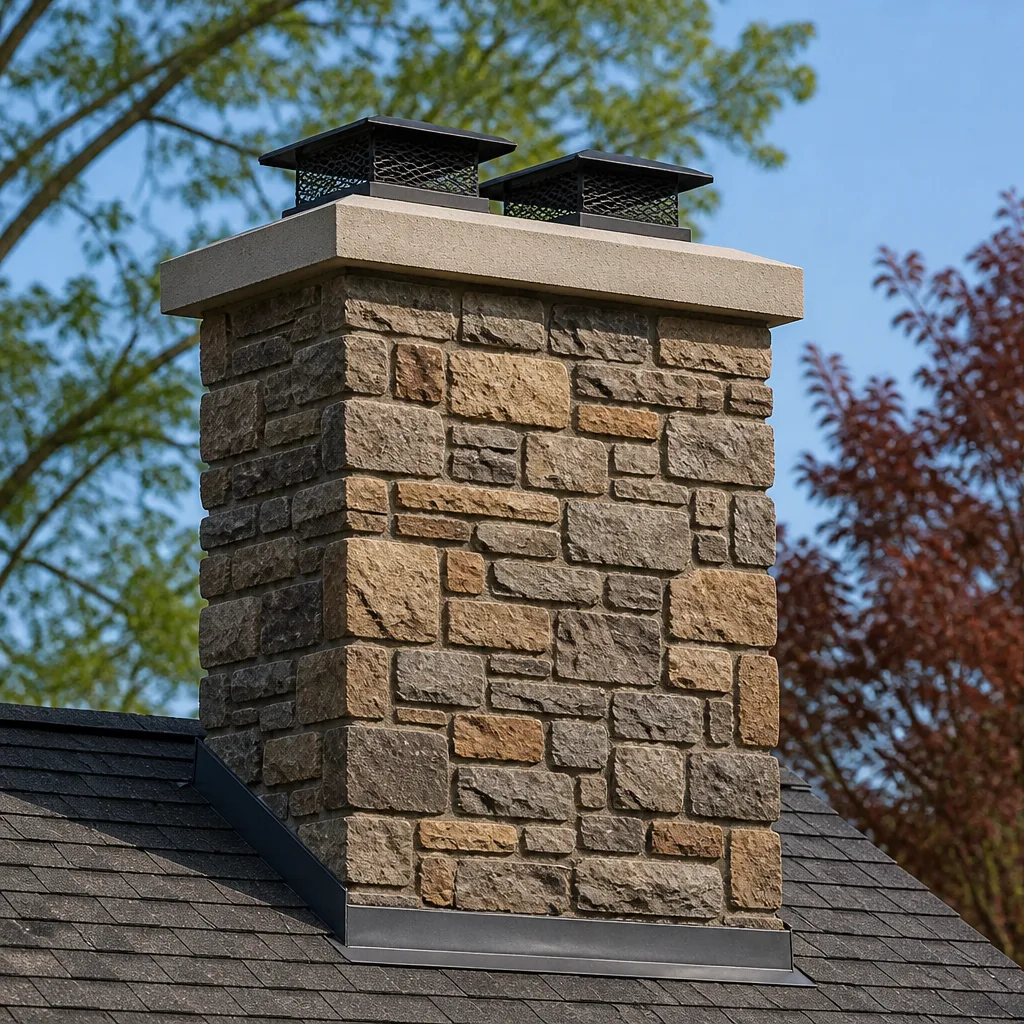 Caps & crowns
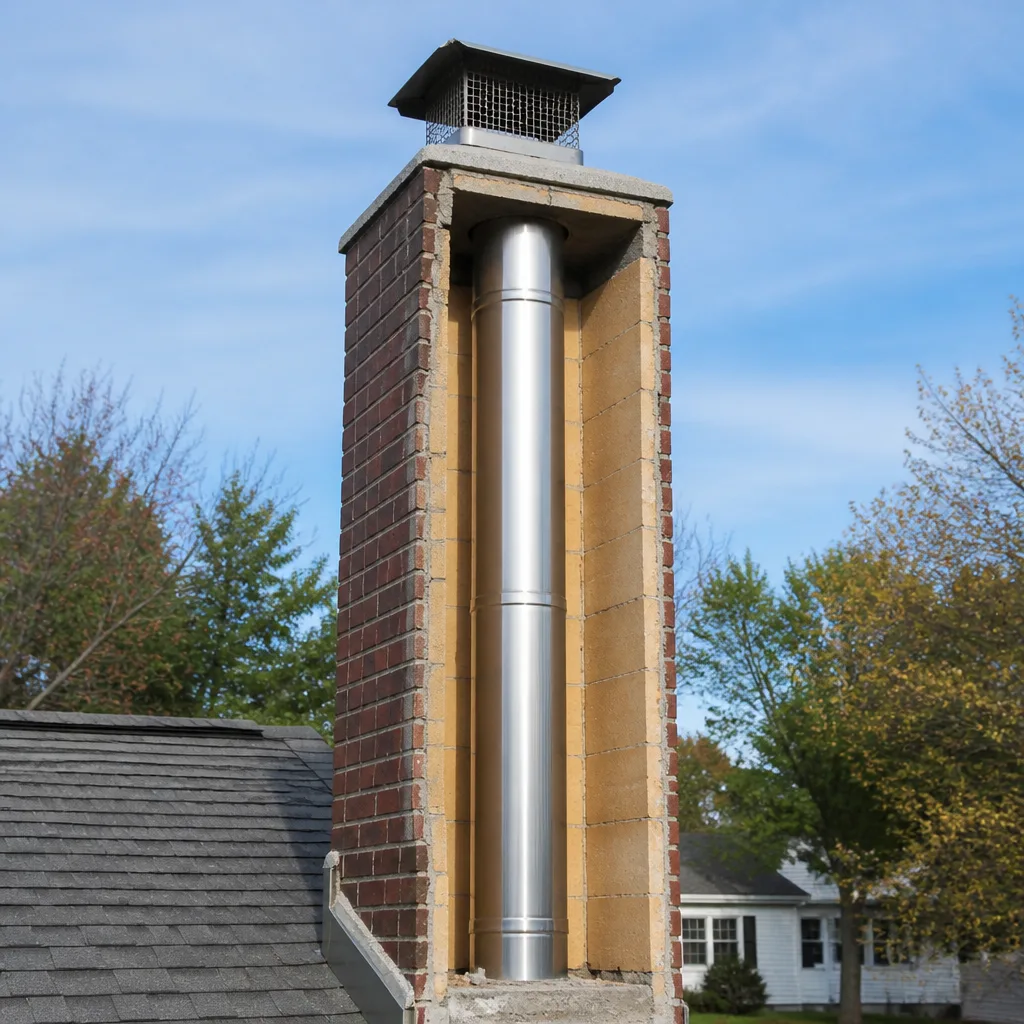 Flue relining
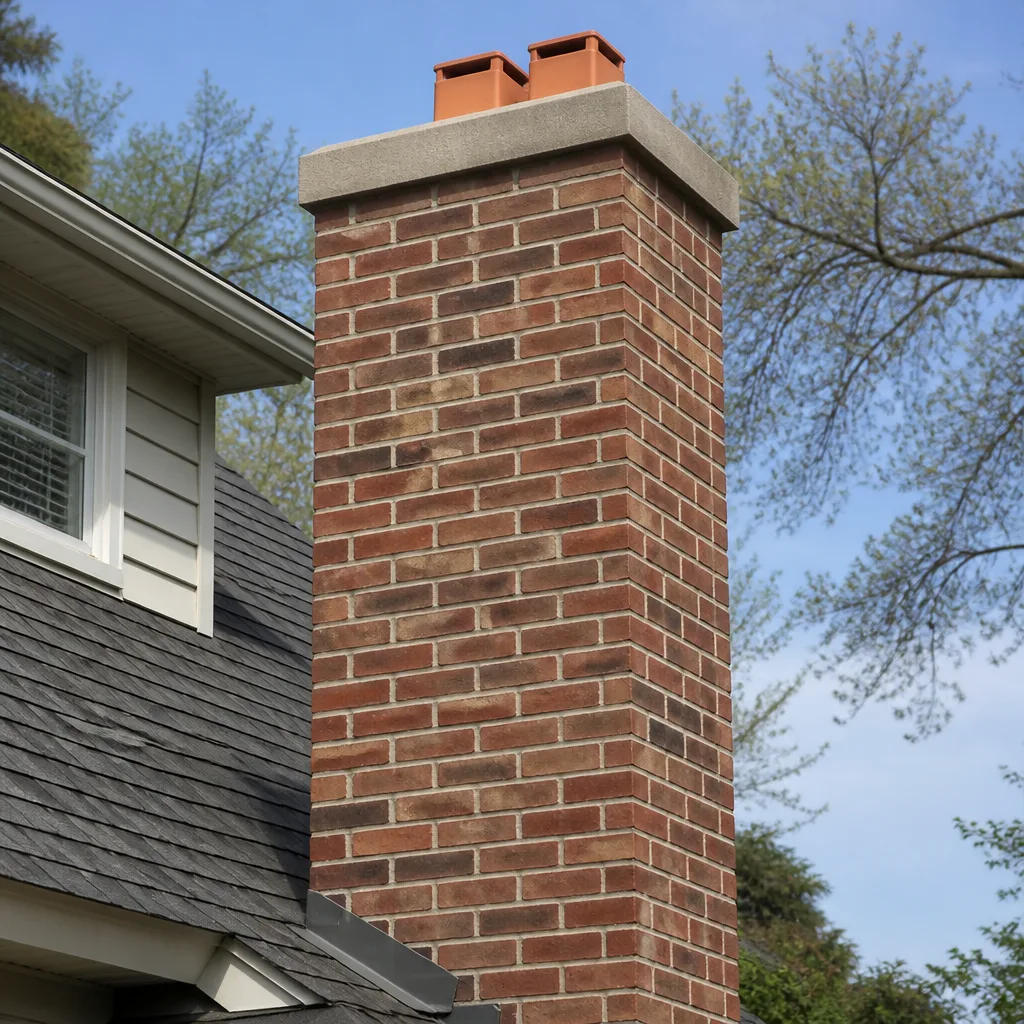 Masonry repair
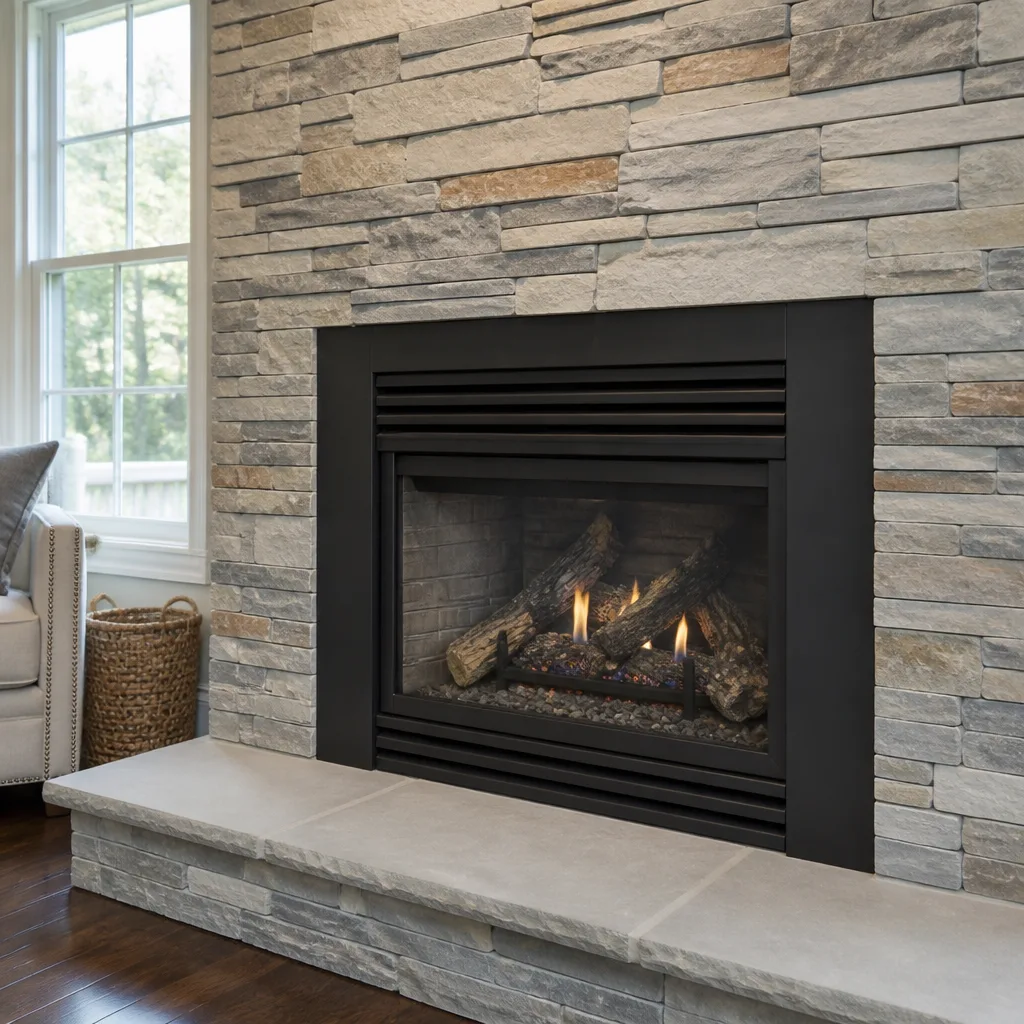 Gas fireplace service
Level 1 sweep and inspection to the NFPA 211 annual standard - flue, crown, cap, and flashing checked and photographed
Chimney sweep logs do not sweep chimneys. They loosen some creosote - which then falls where a brush and vacuum still have to collect it.
How to Hire a Chimney Cleaning Contractor in Greensboro: A Step-by-Step Guide
You can hire almost anyone in Greensboro to clean a chimney. That’s the problem. A chimney sweep doesn’t need a contractor’s license in North Carolina to hang out a shingle, so the business license most homeowners instinctively ask to see tells you almost nothing about whether the person on your roof knows a baffle from a damper. The credential that actually signals competence is national certification through the Chimney Safety Institute of America, and most homeowners never think to ask for it. This guide gives you a working filter: what CSIA certification requires, the five questions to ask before you book, how to read a quote so a lowball doesn’t turn into a mid-job upsell, and how to judge references by home type instead of star count. It’s written for Greensboro homeowners with wood-burning fireplaces, inserts, and fuel-burning appliances who want verified safety rather than a box checked.
Quick Answer
To hire a chimney cleaning contractor in Greensboro, verify CSIA certification first, then ask five questions: what camera equipment they use for inspection, whether they carry liability insurance and workers’ comp, whether they do repair work in-house, how they structure an estimate, and for references from homes like yours. Request an itemized written quote, be wary of unusually low flat rates, and confirm the company can both find and fix problems, so you aren’t handed a camera report and left to find a mason.
Styles & brands we work with
- Sweep & inspection
- Caps & crowns
- Flue relining
- Masonry repair
- Gas fireplace service
Table of Contents
- Why a Business License Isn’t the Credential That Matters in Greensboro
- What CSIA Certification Actually Requires (and How to Verify It)
- The Five Questions to Ask Before You Schedule
- Red Flags in the Greensboro Chimney Market
- How to Evaluate a Quote: Itemized vs. Single-Line
- Why References From Similar Homes Beat Generic Reviews
- What a Legitimate Sweep and Inspection Looks Like
- Common Mistakes to Avoid
- When to Call a Professional
Why a Business License Isn’t the Credential That Matters in Greensboro
North Carolina regulates general contractors, plumbers, and electricians through licensing boards. Chimney sweeping falls outside that structure. A person can register a business, print cards, and advertise chimney cleaning in Greensboro without proving a single hour of field training. That’s not a knock on every unlicensed operator, but it means the license you ask to see is a formality, not a filter.
What separates a chimney specialist from a generalist handyman with a brush and a shop vac is training in the specific system: how draft works, how creosote forms and stages, why a flue sized for a wood stove behaves differently than one sized for an open fireplace, what a cracked crown or a spalled flue tile looks like on camera. Chimney work is diagnostic before it’s mechanical. Someone who cleans ducts or pressure-washes decks for a living can push a brush up a flue. Reading what comes back down, and knowing what it means, is the skill.
In our experience around Greensboro, the generalist problem shows up most often in older neighborhoods where homes have character and chimneys that need interpretation. A flue that served a fireplace for decades may now vent an insert, or the firebox may have been modified at some point without records. That kind of history requires someone who assesses a chimney system – flue, liner, cap, crown, firebox – as one connected assembly rather than a tube that needs scrubbing.
What CSIA Certification Actually Requires (and How to Verify It)
CSIA certification is the credential to ask about. The Chimney Safety Institute of America runs a nationally recognized program that requires passing a proctored exam covering sweeping, inspection, venting, and codes, plus a signed code of ethics and ongoing renewal through continued education. It’s not a certificate you buy and frame. It’s the baseline the trade itself treats as a competence standard.
How to verify it before booking
- Go to the CSIA website and use the “Find a Chimney Professional” lookup tool.
- Search by zip code or by company name in Greensboro.
- Confirm the individual technician’s name appears as currently certified, not just the company.
- Ask the company who will be on your roof and match that name to the listing.
If a company is evasive about certification, or answers with “we’re fully trained” without naming the standard, that’s your answer. You don’t need to be confrontational. A simple “Is your technician CSIA certified, and under what name would I find them on the lookup?” sorts the field quickly.
One more layer worth knowing: a certified sweep often pairs with NFPA 211, the national standard for chimneys, fireplaces, vents, and solid-fuel appliances. That standard governs inspection levels (Level 1, 2, and 3) and tells a professional what to examine and when. You don’t need to memorize it, but a technician who can explain which level of inspection your situation calls for and why is speaking the language of the trade.
The Five Questions to Ask Before You Schedule
Ask these on the phone, before anyone is booked. A competent company answers all five without hesitation, and the answers tell you more than any ad.
1. What camera inspection equipment do you use?
A chimney professional should be able to describe a video inspection camera used to look inside the flue and firebox. You’re not asking for a brand; you’re asking whether they can actually see what’s inside your chimney and show you. If a company’s answer is “we use a mirror and a flashlight,” that’s a Level 1 visual check – fine for some situations, insufficient for others. You want to know the equipment exists and that a photo or video record is part of the service.
2. Do you carry liability insurance and workers’ comp?
Chimney work happens on roofs and involves ladders, heights, and sometimes power tools. Liability insurance protects your home if something is damaged. Workers’ comp protects you from liability if a technician is injured on your property. Ask for both. A company that can’t answer clearly is shifting risk onto you.
3. Do you do repair work yourself, or refer it out?
This is the question that most separates specialists from opportunists. A company that only sweeps and inspects will inevitably find something and hand you a referral. A full-scope provider inspects, repairs, and relines, so the person who diagnoses the problem is the person accountable for fixing it. Ask directly: “If you find a damaged liner, who does that work?”
4. How do you structure an estimate?
A professional quotes in writing and itemizes. A single line reading “chimney cleaning – call for price” isn’t an estimate, it’s a placeholder. Ask whether the estimate is free, what it includes, and whether the price changes once work starts and why.
5. Can you provide references from homes like mine?
Not generic references – references from homes of a similar age, similar fuel type, and similar liner material. A reference from a new-construction home with a factory-built insert tells you less than one from a 1950s Greensboro house with a masonry flue. Ask for the match.
For more on the diagnostic side, see our guide to chimney sweep services, which covers what a proper sweep includes and how inspection levels are chosen.
Red Flags in the Greensboro Chimney Market
The chimney market here has a specific pattern of trouble, and it usually starts with a price that’s too good. A flat rate noticeably below the going rate for a sweep in the area is often a foot in the door. Once the technician is on the roof, the pitch begins: a cracked liner, “urgent” masonry work, thousands of dollars in repairs the homeowner can’t independently verify because it’s happening inside a flue they can’t see.
- Unusually low flat-rate quotes. A sweep priced far below local norms is often bait, with the real revenue coming from the upsell once work begins.
- No camera, big claims. Anyone recommending liner or masonry work without showing you the camera footage is asking you to take it on faith. A legitimate recommendation comes with evidence you can see.
- Pressure to decide today. Genuine chimney problems almost never require a signature in the next hour. A professional tells you what can safely wait and what can’t.
- Vague credentials, no certification question welcome. If asking about CSIA certification annoys them, that’s information.
- No written estimate. A verbal price that changes the moment work hits a snag is a pattern, not an accident.
- Single-line quotes. Sweep, inspection, and any repair lumped into one undifferentiated number is how “surprise” charges get justified later.
- Work that appears without evidence. If you can’t see the before-and-after of a repair, you can’t verify the work was needed or done.
These red flags aren’t about finding the cheapest option – they’re about recognizing when price and scope don’t match the job. For background on what repair work actually involves, see chimney repair.
How to Evaluate a Quote: Itemized vs. Single-Line
A legitimate chimney estimate is itemized. It breaks the job into components so you can see what you’re paying for and judge whether each line makes sense. A vague single-line price hides the scope, which makes it impossible to compare competing quotes and impossible to catch a mid-job change in scope.
Here’s what an itemized estimate typically breaks out:
- Sweep. The cleaning itself, and which flue or flues are included.
- Inspection level. Whether it’s a Level 1 visual check or a Level 2 camera inspection, and why that level was chosen.
- Camera inspection and reporting. The video assessment and what you receive as documentation.
- Repair scope, if any. Each repair as its own line – crown, damper, flue tile, cap, liner – with materials noted.
- Liner work, if needed. A separate, clearly described line item, since relining is the most consequential repair a chimney can need.
What should be in every written estimate regardless of structure: a clear description of the work, the levels of inspection used, any repair recommendations tied to photographic or video evidence, and a statement that the written estimate sets the final price. Pricing varies by job size, flue configuration, and access, so we set it per job by written estimate rather than quoting a flat number over the phone.
The comparative advantage of an itemized quote is leverage. When two companies quote the same job, itemized lines let you see exactly where they diverge – one quotes a sweep and a Level 1 inspection, the other quotes a sweep, a Level 2, and a repair. Without line items, you’re comparing apples to nothing.
Why References From Similar Homes Beat Generic Reviews
Online reviews are useful for tone and reliability, but they’re the wrong tool for evaluating technical competence. A five-star review from a homeowner with a newer factory-built fireplace tells you little about how a company handles a 1940s Greensboro masonry chimney with a clay-tile flue that’s been venting a wood stove for years. The variables that matter are home age, fuel type, and liner material.
When you ask for references, be specific: “Do you have recent work on a home from the ’50s or ’60s with a masonry chimney and a wood-burning insert?” A company that keeps track of its work can answer that. A company that treats every chimney as the same job will hand you a generic list. The difference is diagnostic range.
Greensboro’s housing stock is diverse enough that this matters in practice. Older homes around Fisher Park and the neighborhoods near downtown have chimneys that reflect decades of use and modification. Homes in newer subdivisions often have factory-built systems with different service requirements. The company that has worked across both types – and can tell you which type your home resembles – is the one to hire.
What a Legitimate Sweep and Inspection Looks Like
Knowing what a competent visit looks like protects you from being upsold on work you don’t need, and from missing work you do. Here’s the general shape of a professional sweep and inspection, without the step-by-step how-to that belongs to the technician.
- Pre-inspection assessment. The technician evaluates the firebox, damper, and flue access, and determines which level of inspection the situation requires.
- Protection of your home. Drop cloths or a containment setup around the work area, and a vacuum system designed to keep soot out of your living space.
- The sweep itself. The correct brush type for your flue material, with care taken not to damage clay tiles or a liner if one is present.
- Camera inspection. A video camera run through the flue to check for cracks, gaps, creosote staging, and obstructions – and a photo or video record you can see.
- Findings and recommendations. A clear explanation of what the camera showed, what needs attention now, and what can safely wait.
- Written report and estimate. Documentation of findings, with any recommended repairs itemized and the final price set by the written estimate.
The equipment matters as much as the procedure. Professional-grade components from names like HeatShield and DuraFlex come into play when relining or restoring a flue, and brands like Copperfield and Famco appear in the hardware and component side of repair work. These are the materials a specialist works with because they hold up inside a chimney. For a full picture of the company and the systems we work with, see Greensboro Chimney Cleaning.
One safety note worth stating plainly: chimney work involves roofs, heights, and enclosed spaces, and the interior of a chimney can hold creosote that’s flammable and soot that’s a respiratory irritant. A trained professional uses proper equipment and knows when to stop. Don’t put yourself in a position the trade itself treats as hazardous.
Common Mistakes to Avoid
- Asking for a license instead of certification. In North Carolina, a business license doesn’t certify chimney competence. Ask about CSIA certification and verify it on the lookup tool.
- Choosing the lowest flat-rate quote. An unusually low sweep price in Greensboro often signals an upsell model, where the real cost arrives once the technician is on the roof.
- Accepting a repair recommendation without seeing the evidence. Camera footage or photos should back up every recommendation. If a company can’t show you, it can’t expect you to believe it.
- Skipping the camera inspection on an older chimney. A Level 1 visual check can miss a cracked flue tile or a gap behind the liner. On an older masonry chimney, the camera is where problems get found.
- Hiring a company that only sweeps. If you have to find a separate mason for relining or a separate contractor for masonry repair, you’ve split accountability and made it harder to verify the work.
- Judging references by star count only. A review from a similar home type is worth more than ten generic five-star reviews from different systems.
- Forgetting that Greensboro has a burning season. Piedmont winters bring regular fireplace use, and creosote accumulates with every fire. Booking before the season starts avoids the crowded stretch when everyone realizes it’s time.
- Not asking what can safely wait. A good contractor will tell you when a repair is urgent and when it can schedule for later. If every finding is “urgent,” that’s a sales posture, not an assessment.
When to Call a Professional
Call a professional when you’re ready to book a sweep before burning season, when you’ve just moved into an older Greensboro home and don’t know the chimney’s history, when you’ve noticed draft problems, smokiness, or a strange smell, or when a wood-burning appliance or insert has been installed and needs its venting assessed. Also call if it’s simply been a while and you can’t remember the last time anyone looked inside the flue. Those are all routine reasons, not emergencies.
Greensboro Chimney Cleaning offers free estimates in Greensboro – call (888) 366-5537. We answer 24/7. Fast dispatch from 7am to 7pm, Sunday through Friday. Our technicians have up to 11 years of experience, and we handle sweep, inspection, and repair under one provider so you don’t coordinate three contractors for one chimney. Nothing gets recommended without camera evidence you can see for yourself, and we’ll tell you plainly when work can safely wait.
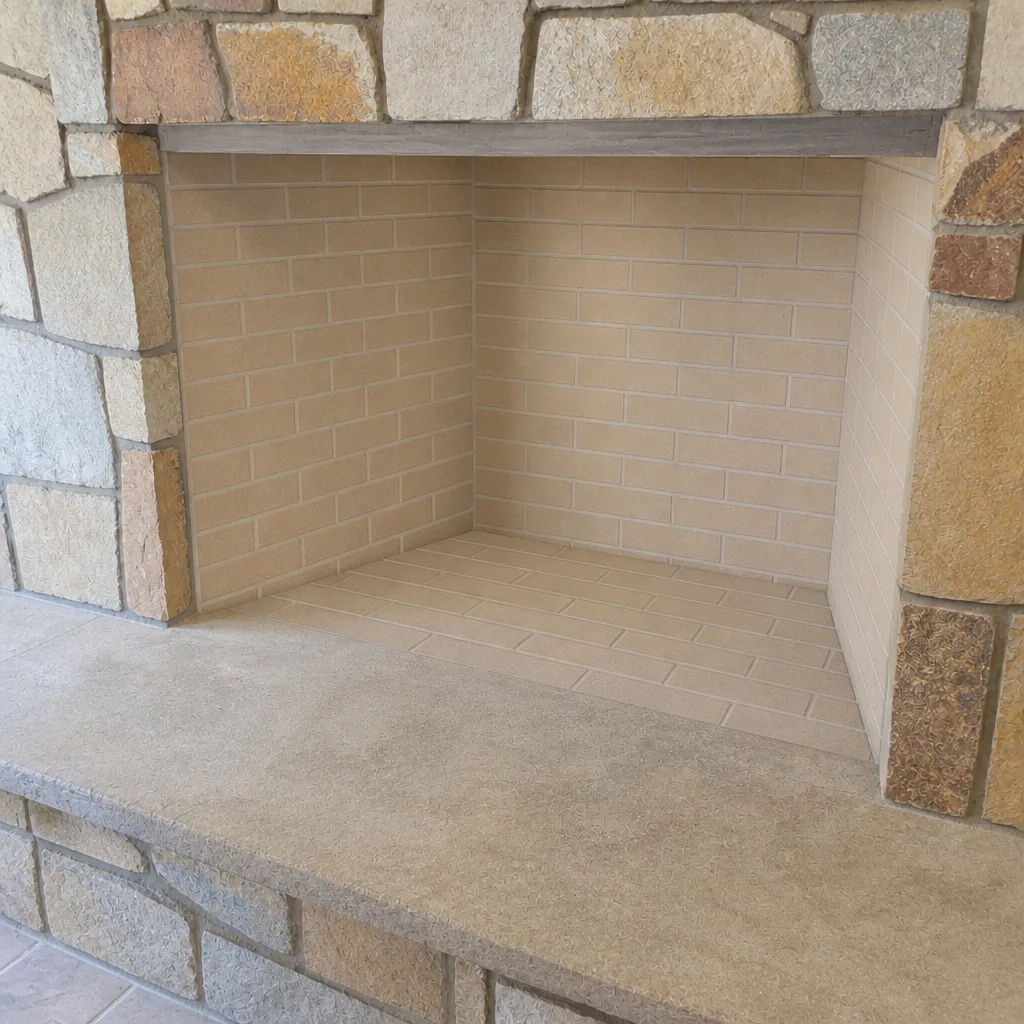
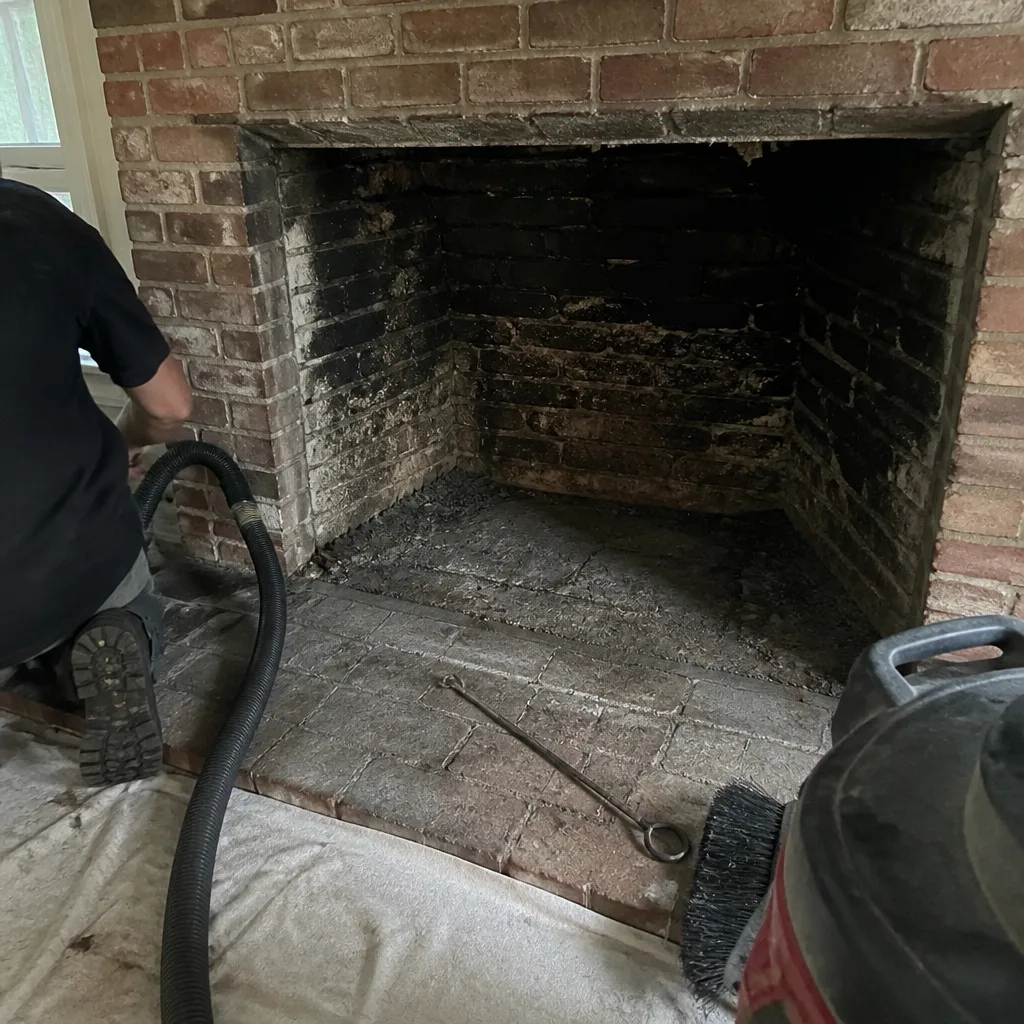
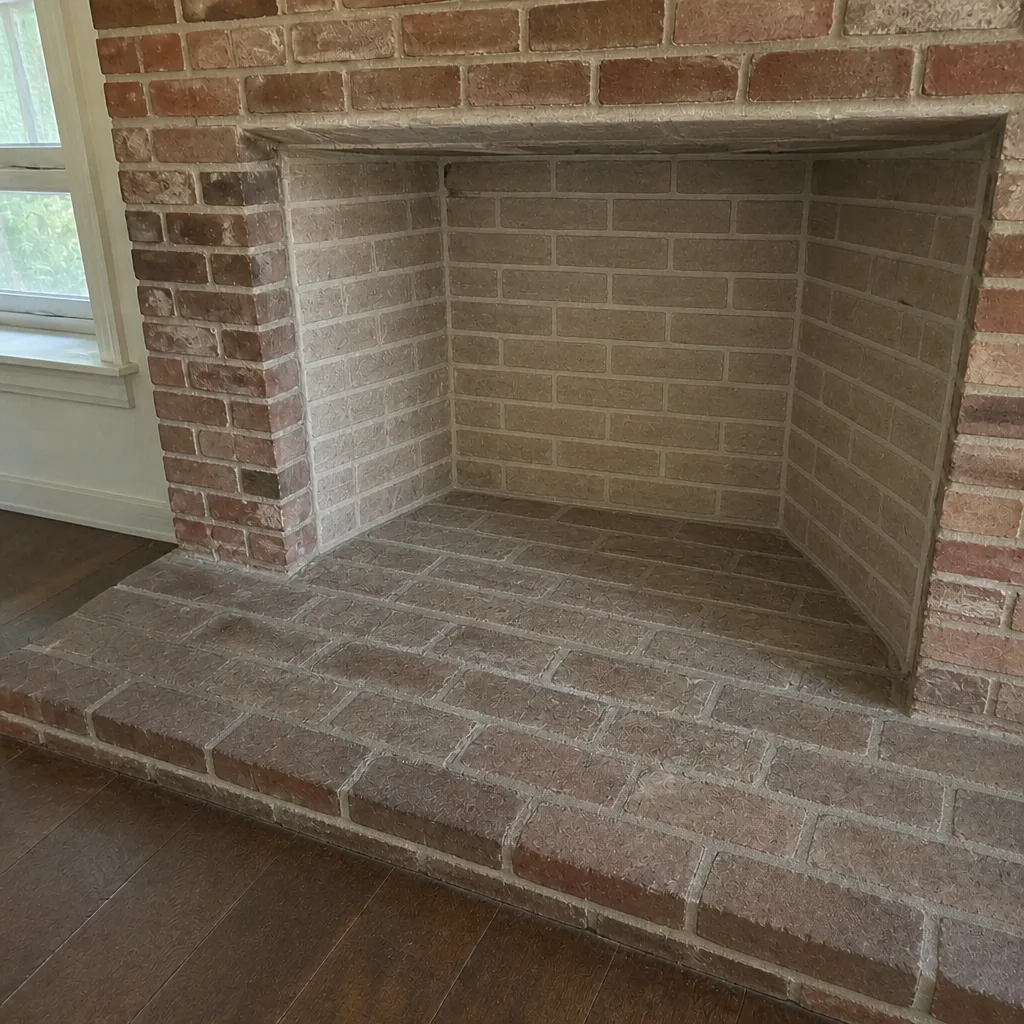
See the difference
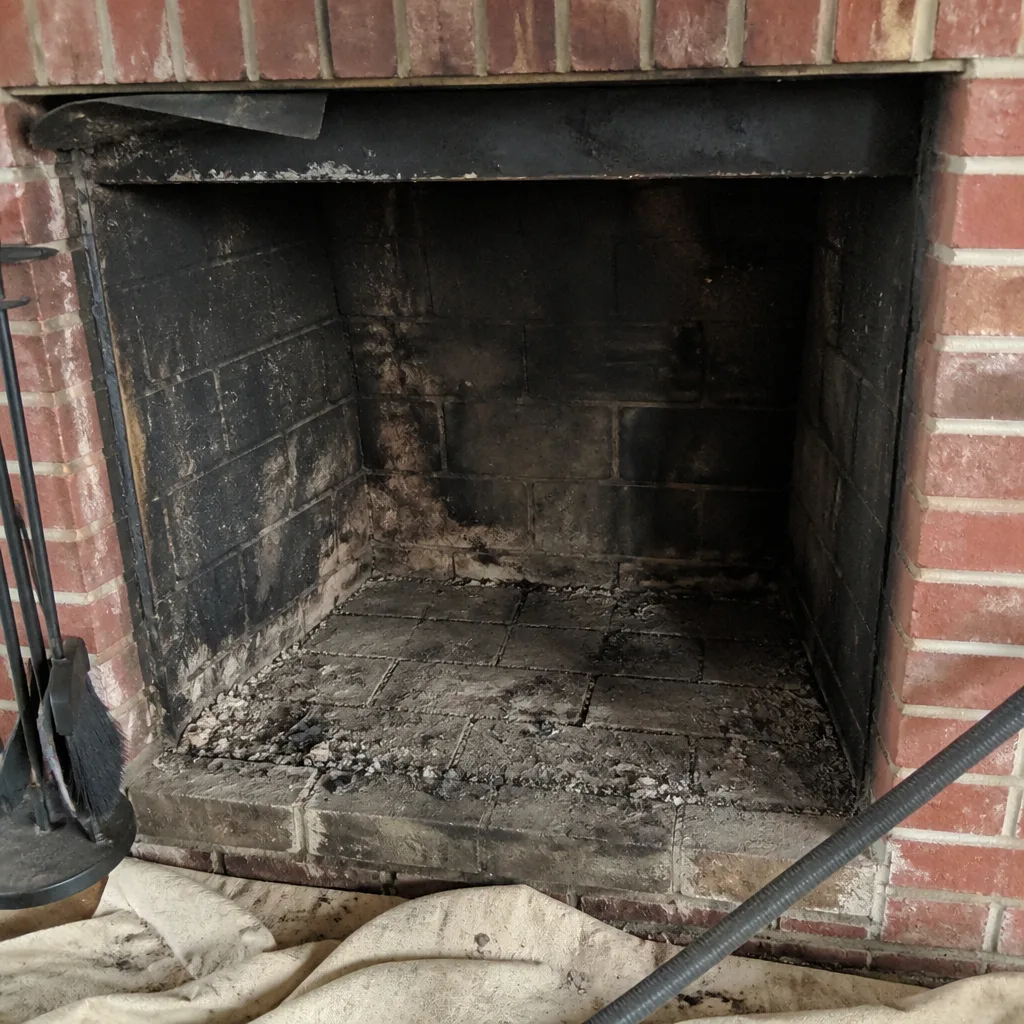 Before
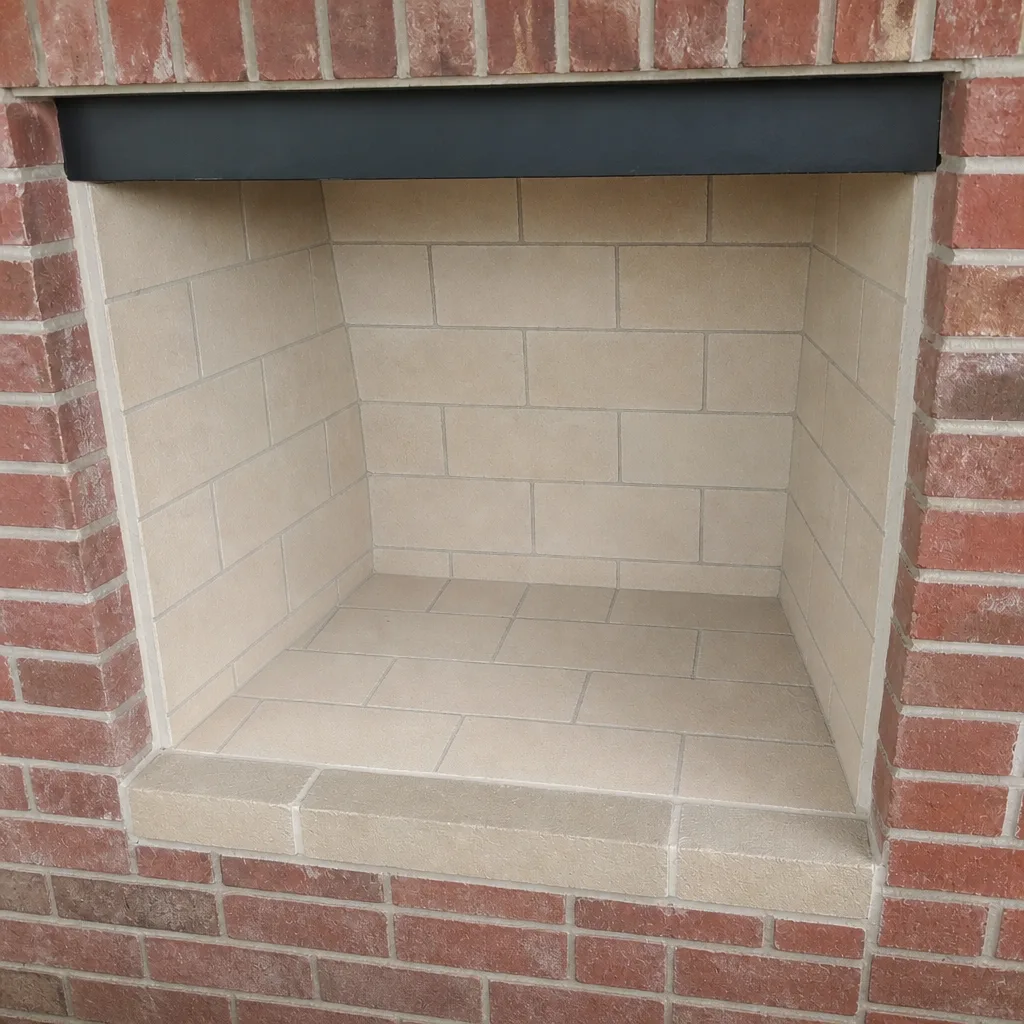 After
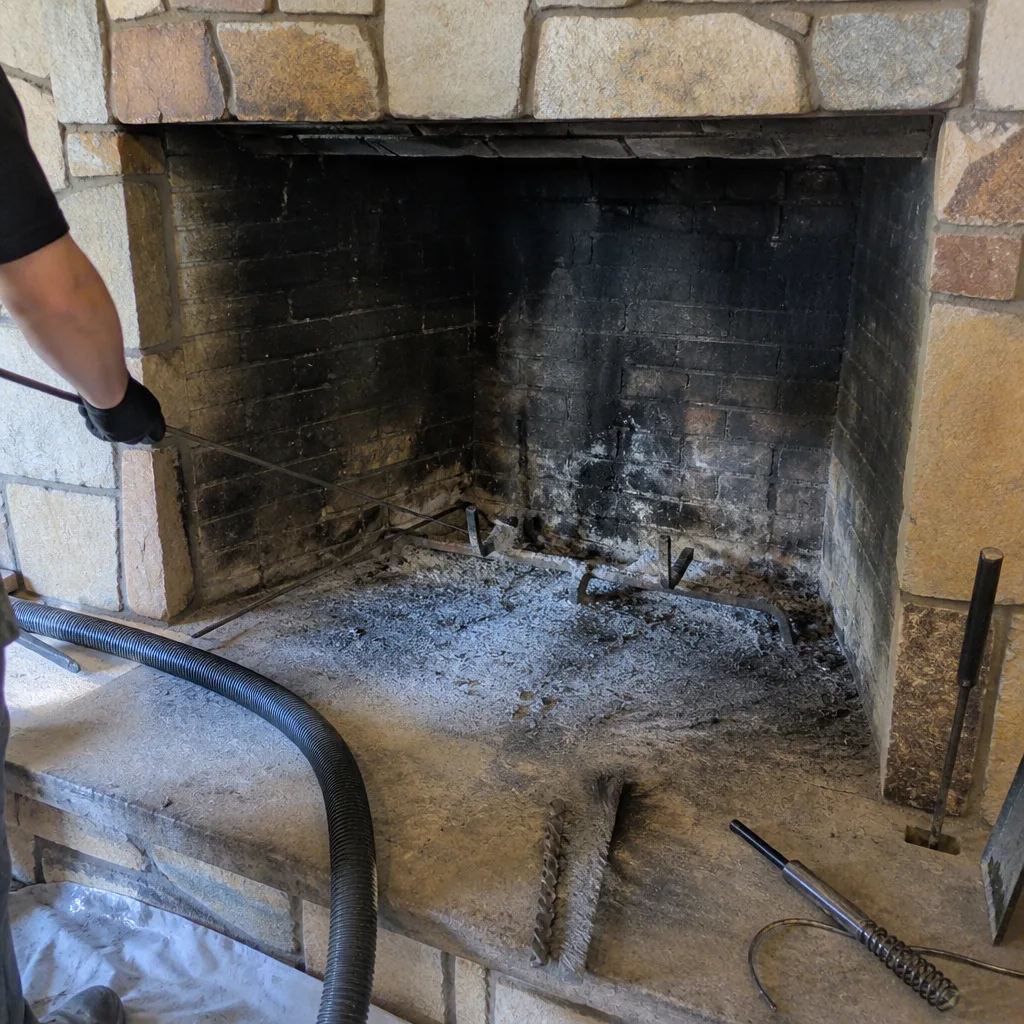 Before
 After
 Before
 After
Frequently Asked Questions
A chimney sweep in Greensboro is priced per job by written estimate, because the cost depends on flue configuration, access, and whether a camera inspection is included. We set the final price in writing before work begins, and the estimate is free. Call (888) 366-5537 for an exact quote – estimates are free.
Yes, ask for it. CSIA certification is the national credential that requires a proctored exam, a code of ethics, and ongoing renewal, and it’s verifiable on the CSIA lookup tool. North Carolina doesn’t require a contractor’s license to sweep a chimney, so certification is the credential that actually signals competence. Call (888) 366-5537 if you’d like to talk through what to ask.
Most wood-burning chimneys need sweeping at least once a year, and more often with heavy use or with certain fuel types that build creosote faster. The honest answer is to book a sweep before burning season and let the camera inspection tell you what your specific flue needs. Call (888) 366-5537 to schedule a sweep – estimates are free.
Creosote builds up with every fire, and in sufficient quantity it can ignite, which is how chimney fires start. A blocked or damaged flue can also let carbon monoxide back into the home instead of venting it outside. Skipping a sweep doesn’t create an immediate emergency, but it removes the one check that would catch a problem while it’s still inexpensive. Call (888) 366-5537 for a sweep and inspection – estimates are free.
Only if the camera shows the existing liner is cracked, deteriorated, or the wrong size for what’s venting through it. We won’t recommend a reline without showing you the footage, and HeatShield and DuraFlex systems are what we work with when relining is the right call. If a company recommends a liner with no evidence, ask to see it. Call (888) 366-5537 for an assessment – estimates are free.
Yes, and booking before burning season is exactly when we recommend it, since the stretch before the first cold snap fills up fastest. We answer 24/7, and fast dispatch runs from 7am to 7pm, Sunday through Friday. Call (888) 366-5537 to book – estimates are free. For more on our Greensboro service area, see the city page.
The Bottom Line
The filter for hiring a chimney contractor in Greensboro comes down to a few workable checks: verify CSIA certification on the lookup tool, ask the five questions before booking, insist on an itemized written estimate, and treat an unusually low flat rate as a signal rather than a bargain. Prefer a company that both finds and fixes problems, because split accountability is how homeowners end up with a camera report and a contact list. Ask for references from homes like yours. And know that the estimate is free and the written estimate sets the final price – so there’s no risk in having the conversation. Our technicians have up to 11 years of experience, and we’re ready when you are.
Call (888) 366-5537 for a free estimate. We answer 24/7. Fast dispatch from 7am to 7pm, Sunday through Friday.
Written by the team at Greensboro Chimney Cleaning.