
Last updated November 15, 2026
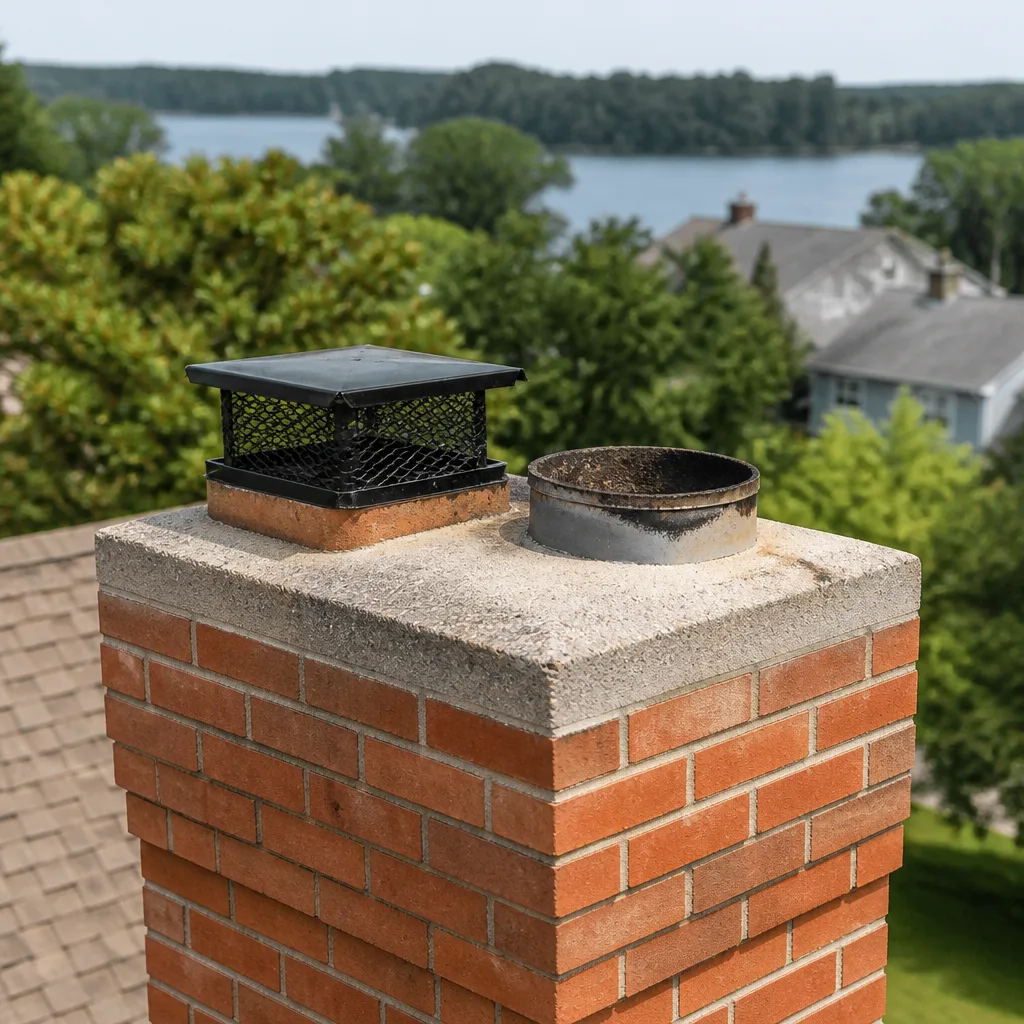 Sweep & inspection
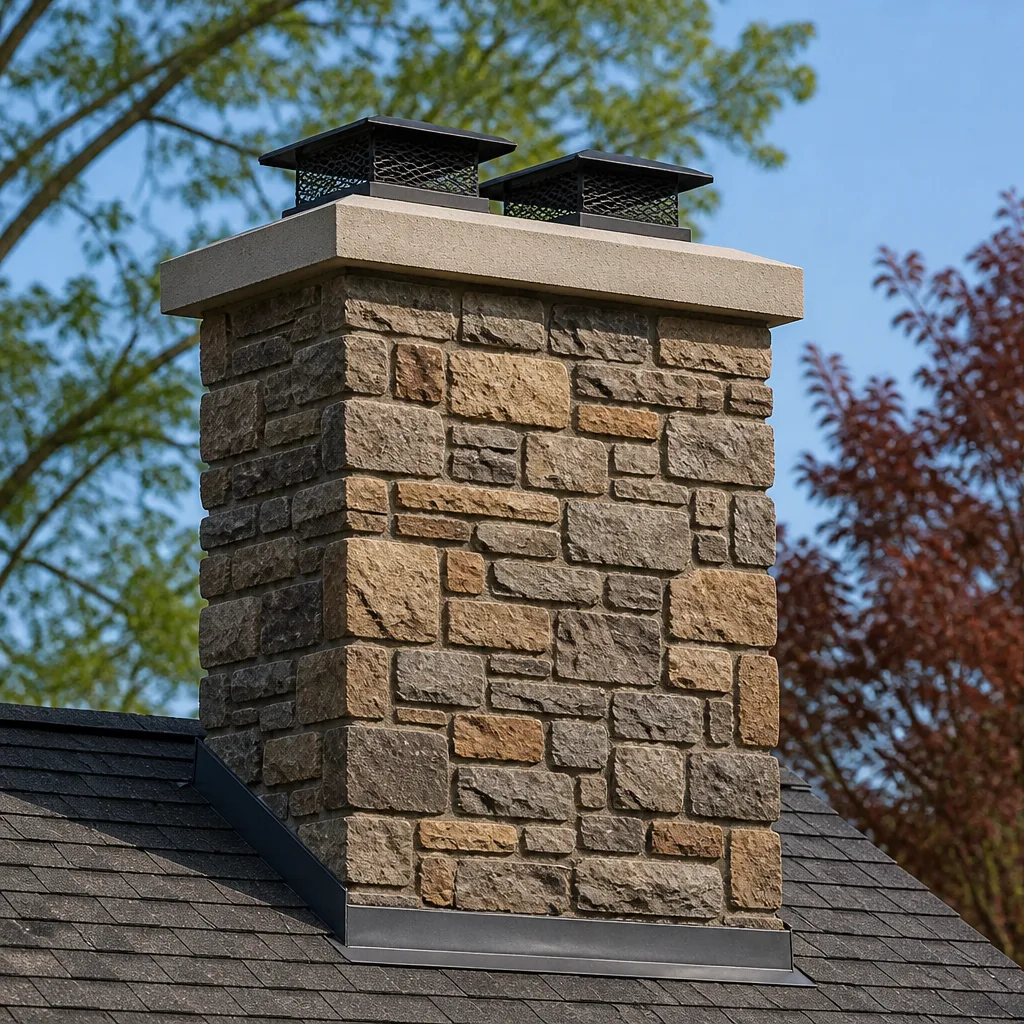 Caps & crowns
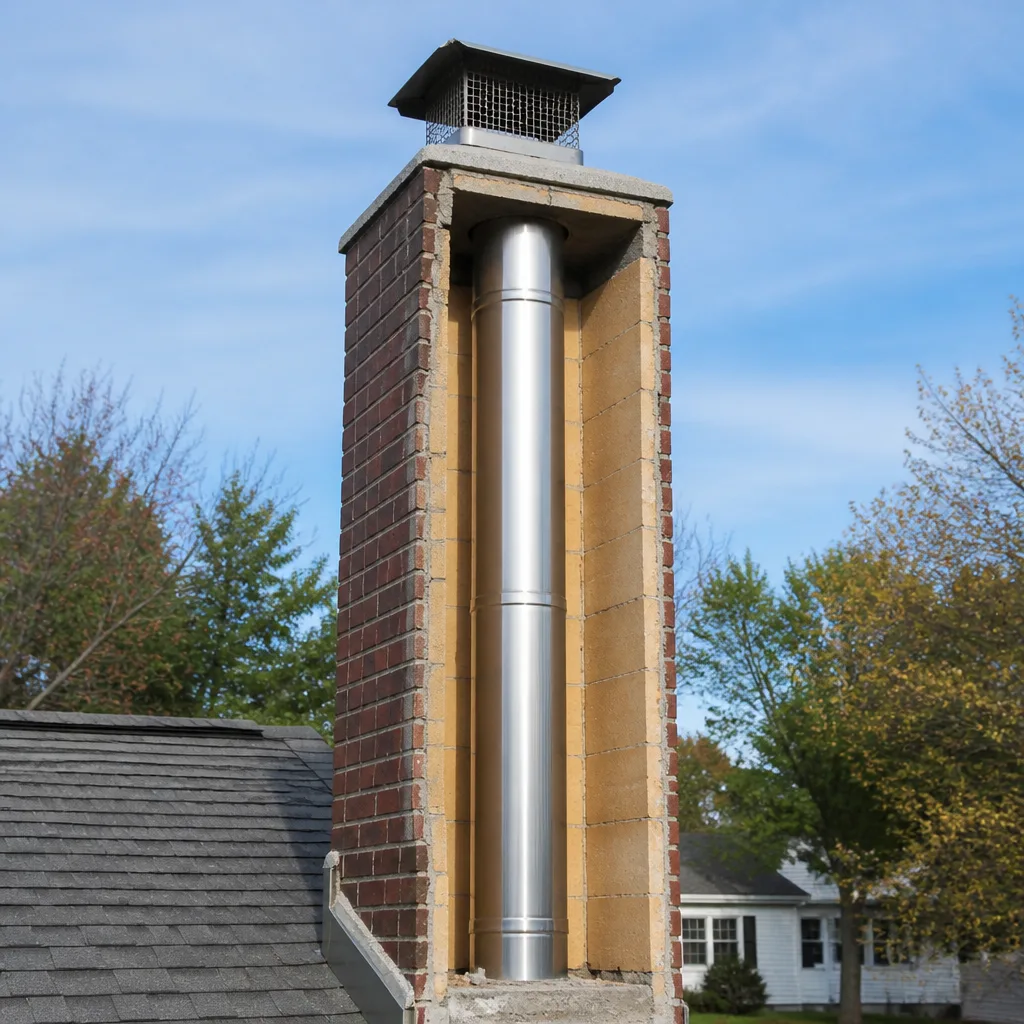 Flue relining
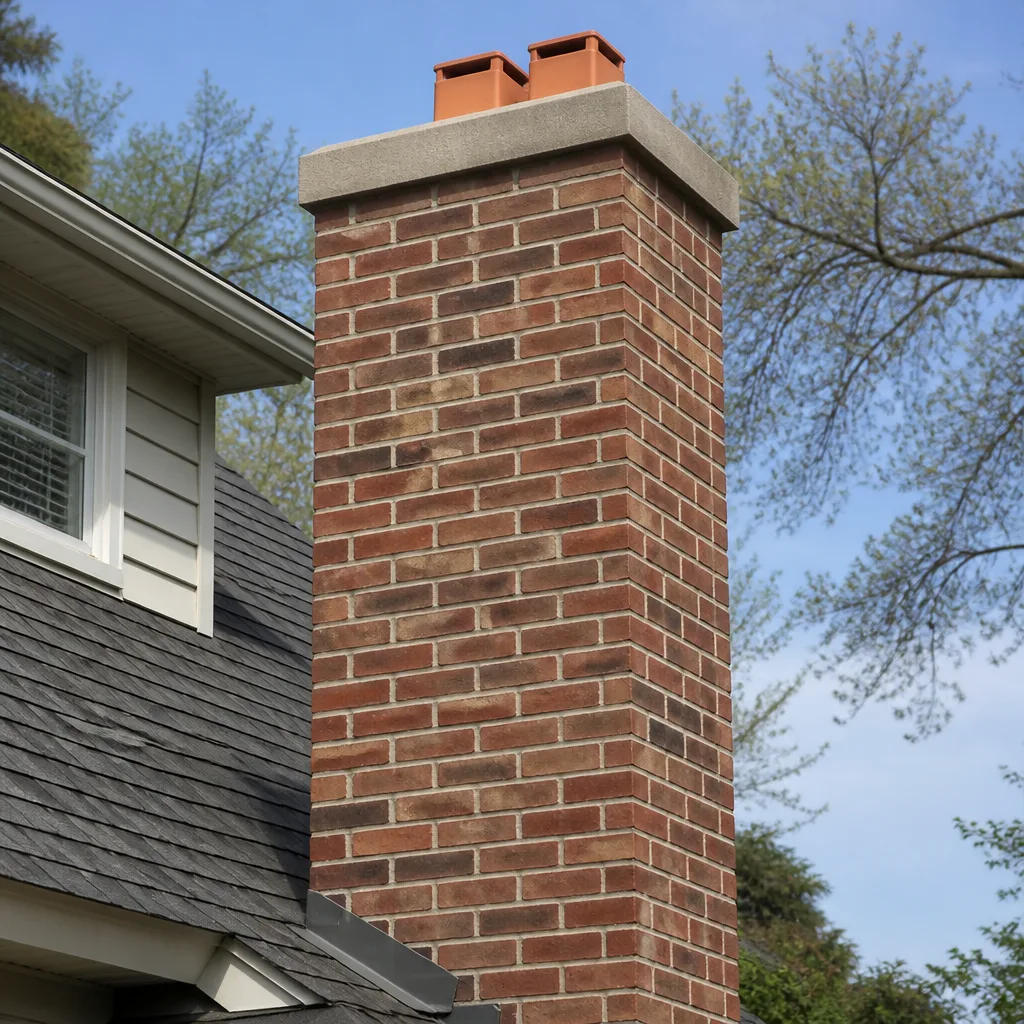 Masonry repair
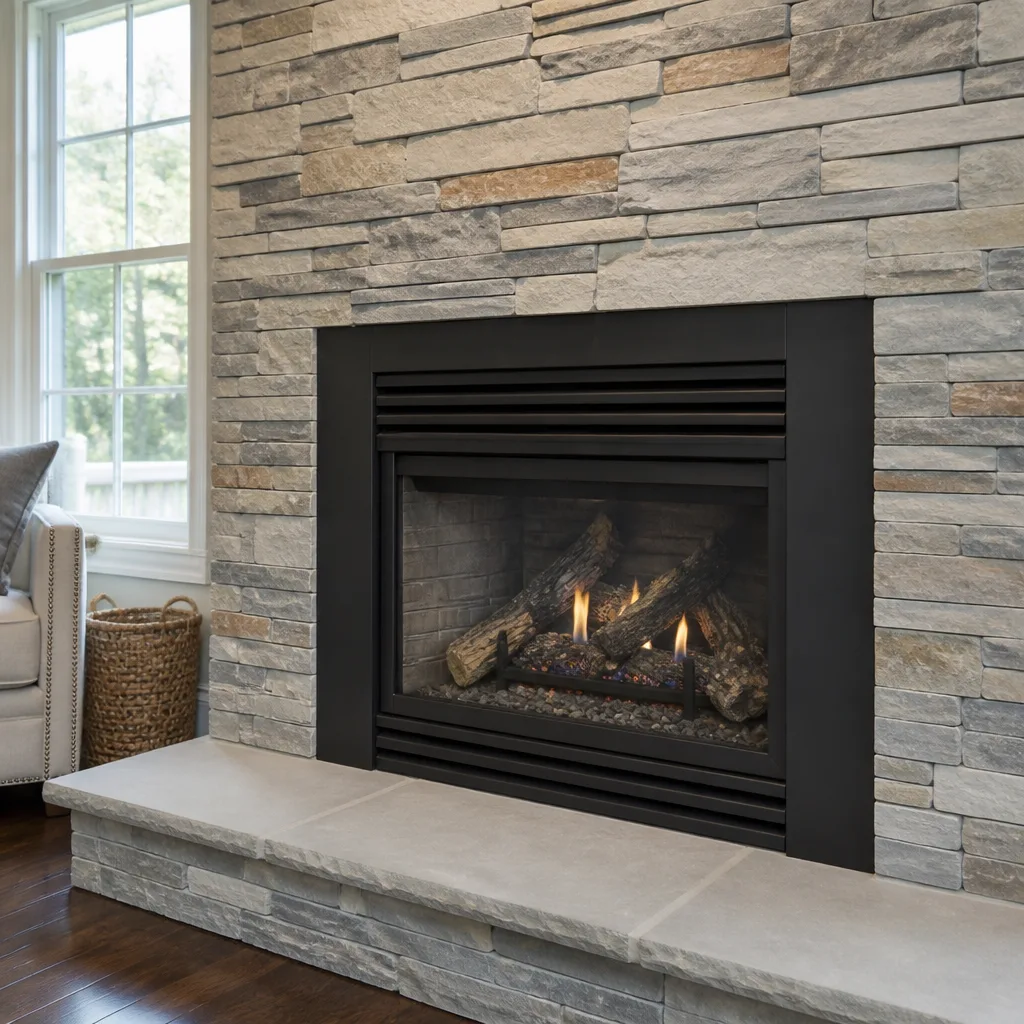 Gas fireplace service
Level 1 sweep and inspection to the NFPA 211 annual standard - flue, crown, cap, and flashing checked and photographed
Chimney sweep logs do not sweep chimneys. They loosen some creosote - which then falls where a brush and vacuum still have to collect it.
Chimney Sweep Maintenance Checklist for Greensboro Homeowners
The most commonly skipped item on a chimney maintenance checklist isn’t creosote removal. It’s the smoke shelf, the horizontal ledge just above the damper where debris, nesting material, and moisture collect quietly between service visits. Most homeowners never think about it, and most quick sweep jobs barely touch it. In Greensboro, where humid summers and heavy pollen seasons push that debris into the flue in ways a drier climate never does, the smoke shelf is where small problems start compounding. This guide lays out a full-year checklist built around the failure points Greensboro homes actually produce: aging terra cotta liners in older neighborhoods, humidity-driven masonry decay, pollen blocking caps, and mixed-fuel use across fireplaces, inserts, and appliance venting. You’ll learn what to check before the first fire, what you can inspect yourself mid-season, and what should only be handled by a trained sweep.
Quick Answer
A chimney maintenance checklist for Greensboro should cover four phases: a pre-season inspection before the first fall fire, a mid-season internal check of odor, draft, and damper seating, a post-season sweep and cap inspection after the last spring fire, and a summer exterior review of masonry and crown after storm season. Sweeping is typically needed once a year for most wood-burning homes, but humid Greensboro conditions and mixed fuel use can shorten that interval. Owner-level checks catch early warning signs, but flue and liner inspection should always go to a professional with camera equipment.
Styles & brands we work with
- Sweep & inspection
- Caps & crowns
- Flue relining
- Masonry repair
- Gas fireplace service
Table of Contents
- Phase 1: Pre-Season Inspection Before the First Fall Fire
- Phase 2: Mid-Season Checks You Can Do From Inside
- Phase 3: Post-Season Sweep and Cap Inspection
- Phase 4: Summer Exterior Masonry and Crown Review
- Which Checklist Items Are DIY and Which Need a Certified Sweep
- How Often Greensboro Homes Actually Need a Sweep
- Common Mistakes to Avoid
- When to Call a Professional
Phase 1: Pre-Season Inspection Before the First Fall Fire
October is when most Greensboro homeowners light the first fire of the season, and the inspection should happen before that match is struck, not after. A pre-season look at the full system, flue, liner, firebox, damper, cap, and exterior masonry, catchesthings that have shifted since last spring. Greensboro’s humidity has been working on the masonry for months, and pollen has been settling into the cap and screen all summer. What looks fine from the living room can hide a cracked liner tile or a partially blocked flue.
Older Greensboro neighborhoods are where this matters most. Homes built in earlier decades frequently have original terra cotta flue liners, and terra cotta doesn’t age gracefully in a climate with this much moisture and temperature swing. Small hairline cracks in the tile joints let moisture and combustion byproducts into the masonry itself. Once that happens, the repair is no longer a sweep. It’s relining, which is where professional-grade systems like HeatShield restoration compounds and DuraFlex stainless liners come in.
Your pre-season checklist:
- Schedule a professional inspection before October, ideally in September when schedules are less crowded.
- Ask for a camera inspection of the flue so you see what the technician sees on the monitor.
- Confirm the liner is intact end to end, not just at the visible top and bottom.
- Check the damper opens, closes, and seats fully with no gaps.
- Inspect the firebox for cracked or spalling brick and deteriorated mortar joints.
- Look at the cap and spark screen from outside for rust, sagging, or blockage.
- Clear any stored items, decorations, or fireplace accessories away from the hearth.
This is the phase where chimney repair gets caught early rather than discovered mid-winter when a fire won’t draw. Fixing a small joint issue in September is a much smaller job than rebuilding a firebox in January.
Phase 2: Mid-Season Checks You Can Do From Inside
Once the fire is burning regularly, most homeowners stop thinking about the chimney. That’s a mistake, because the flue tells you when something has changed, if you know what to notice. The mid-season checks below need no tools, no ladder, and no climbing. They’re visual and sensory, and each one maps to a specific failure mode.
Odor. A fireplace that smells smoky or acrid between fires, even when it’s cold, is telling you about accumulated creosote or moisture. In Greensboro’s humid months, a small amount of creosote absorbs moisture from the air and turns into a persistent smell. A faint smoky smell after a fire cools down is normal. A strong, sharp, or chemical smell that lingers for days points to buildup that needs removing.
Draft behavior. A fire that used to light easily and now smokes back into the room, or a fire that takes much longer to establish, can mean restriction in the flue. Sometimes it’s a bird nest in the cap. Sometimes it’s glaze from a hot fire. Sometimes it’s a partial liner failure letting debris fall into the path. In any case, it’s a signal to call for an inspection rather than to keep feeding the fire.
Damper seating. Close the damper fully with the fire out and look for light coming through. Any light at the seat means heat and smoke are escaping when the fireplace isn’t in use, and cold air is entering. In older Greensboro homes, damper blades warp with heat cycles, and a damper that no longer seals is a straightforward repair.
Creosote appearance. Look up the flue with a flashlight between fires. Light, flaky, soot-like deposit is normal between sweeps. Shiny, glassy, or tar-like buildup is glazed creosote, and that’s a stop-fire signal that needs professional removal before you burn again.
None of these checks are invasive. They’re the difference between catching a problem while it’s small and finding out the hard way. And if any of them raises a concern, a same-week inspection is far cheaper than an emergency call.
Phase 3: Post-Season Sweep and Cap Inspection
The last fire of spring marks the start of the second most important part of the checklist. A post-season sweep clears out what winter deposited, and a post-season cap inspection catches the winter ice cycle damage that only shows when the freeze-thaw season has ended. Skipping this phase means all that creosote and moisture sits in the flue through the hottest, most humid part of the year, and that’s when it works its way into the masonry.
Greensboro winters bring freeze-thaw cycles, and freeze-thaw is brutal on a chimney cap. Water gets into the metal seams and fasteners, freezes overnight, expands, and works the joint open. By spring, a cap that looked fine in November can have popped rivets, a sagging top panel, or a compromised screen. Once the cap is compromised, rain and snowmelt run straight down the flue, and once water is in there it’s a masonry problem.
Post-season tasks:
- Book the annual sweep as soon as the burning season ends, while weather allows roof access.
- Have the cap, screen, and storm collar inspected from the roof, not just from the ground.
- Ask the technician to confirm no cracks opened in the flue during the season.
- Check the firebox and hearth for any new mortar loss or spalling that appeared over the winter.
- Note the amount and type of creosote removed so you know how your burn habits are trending year to year.
- Confirm the damper still seats correctly after a full winter of use.
Our technicians have up to 11 years of experience, and they’ll tell you plainly: a post-season sweep that includes a real cap inspection is the single most underrated item on any maintenance list. It protects everything downstream.
Phase 4: Summer Exterior Masonry and Crown Review
Summer is the inspection season most homeowners ignore, and in Greensboro it’s the one that matters most for the long-term health of the chimney. This is when storm season rolls through, humidity peaks, and the exterior masonry takes the year’s heaviest moisture load. A chimney crown that shed water in April can be a crown that’s cracking by August, and the moisture that gets in behind it through the fall is what shows up as interior damage in November.
The crown is the concrete cap that tops the masonry stack, with a slope designed to shed water away from the flue. It’s also the most commonly neglected piece of the whole system. Hairline cracks in the crown are normal over time, but once those cracks widen, water runs down inside the masonry rather than over it, and freeze-thaw over the following winter spalls the brick face. A professional-grade crown repair and waterproofing treatment in summer is what keeps the fall inspection boring.
What to check on the exterior each summer:
- Look for cracks in the crown, especially where it meets the flue tile and the outer edge.
- Check for efflorescence, the white powder that shows moisture moving through brick.
- Look at brick faces for spalling, flaking, or pieces coming loose.
- Check mortar joints for receding lines or crumbly texture.
- Inspect flashing at the roof line for lifted edges or gaps.
- Clear any debris, seed pods, or pollen matted onto the cap screen.
Where the masonry itself needs correction, components from Gelco and Olympia Chimney are the kind of professional-supply materials that a proper repair uses, not the box-store substitutes. Greensboro’s summer storms test those materials, and the difference shows up in how the chimney holds through the following winter.
Which Checklist Items Are DIY and Which Need a Certified Sweep
There’s a real distinction between an owner-level check and a task that requires training and equipment, and getting it wrong is how people get hurt. The rule is simple: anything from the firebox down is owner territory. Anything from the damper up, plus anything involving the roof or the flue interior, belongs to a professional.
Owner-level checks (visual, no tools, no climbing):
- Damper operation and seating, checked with the fire out.
- Firebox brick and mortar appearance.
- Smoke and odor observation between fires.
- Flue visibility with a flashlight from the firebox.
- Exterior masonry appearance from the ground.
- Keeping the hearth clear and the cap screen visibly unobstructed from below.
Professional-only items:
- Any work above the damper, including the smoke shelf, flue, and liner interior.
- Camera inspection of the entire flue run.
- Anything requiring a ladder or roof access.
- Removal of glazed or heavy creosote.
- Liner repair or replacement with systems like DuraFlex or HeatShield.
- Cap, crown, and flashing repair.
- Any diagnostic conclusion about whether the liner needs replacing.
The smoke shelf sits on the professional side of that line, and it’s why a full sweep matters. Debris that pools there over a season restricts draft and holds moisture against the liner. If you’re looking for a chimney sweep who treats the smoke shelf and the full flue as one system, that’s the standard to hold any company to. The checklist only works if the sweep goes deep enough to actually clear what the checklist is meant to catch.
How Often Greensboro Homes Actually Need a Sweep
The national standard is once a year, and once a year is the floor. Greensboro homes often need more attention than that floor suggests, for two reasons: humidity and mixed-fuel use. Humidity shortens the interval because moisture reacts with creosote and because it works on masonry year-round. Mixed-fuel use shortens it because a home with a wood fireplace plus a gas furnace or an insert venting a fuel-burning appliance has more systems to inspect, and the wood side doesn’t get a break just because the gas side is running.
Rough guidance for Greensboro homeowners:
| Home setup | Typical sweep interval |
|---|---|
| Wood fireplace used a few times a month in winter | Once per year, before the season |
| Wood fireplace used regularly, several fires a week | Once per year, ideally a full inspection plus sweep |
| Wood insert used as primary heat | Once per year, sometimes twice if burning heavily |
| Gas-only appliance venting | Annual inspection, sweep as needed |
| Older home with original terra cotta liner | Annual inspection minimum, camera inspection recommended |
| Home with a mix of wood and fuel-burning appliances | Annual inspection of all venting systems |
Any time a homeowner notices changes in draft, odor, or creosote buildup, the interval shortens regardless of what the table says. The number isn’t the point. The point is whether your specific chimney is safe to light on the next cold night. Neighbors in the older parts of Greensboro know how much easier it is to get on the schedule in September than in November, and getting ahead of the burning season is the whole reason this checklist exists.
Common Mistakes to Avoid
- Treating the sweep as the entire job. A sweep clears the flue, but if no one looks at the liner, the cap, the crown, or the smoke shelf, you’ve cleaned a system you haven’t checked. In Greensboro’s humidity, the sweep without the inspection is where problems hide.
- Skipping the mid-season look while the fire is burning. Homeowners who check in September and don’t look again until spring miss the window when draft changes and odor first appear, and those early signals are the cheapest ones to act on.
- Cleaning the firebox and calling it done. The firebox is the part you can see. The liner, the flue, and the smoke shelf are the parts that matter for safety, and they need camera inspection to verify.
- Putting off the cap inspection until fall. A cap damaged by winter ice cycles lets water in for months. The damage is done by the time it shows up as an interior stain.
- Ignoring the summer crown. Crown cracks that go through the whole rain season push water into the masonry for far longer than they need to, and freeze-thaw in winter turns a small crack into a rebuild.
- Burning unseasoned wood to stretch a sweep interval. Wet wood creates more creosote per fire, which shortens the interval rather than stretching it. In a humid climate, that’s a bad trade.
- Using a general handyman instead of a chimney specialist. Parts sourced from big-box shelves don’t hold up the way professional-supply components from brands like Famco or Copperfield do, and the installation is only as good as the components behind it.
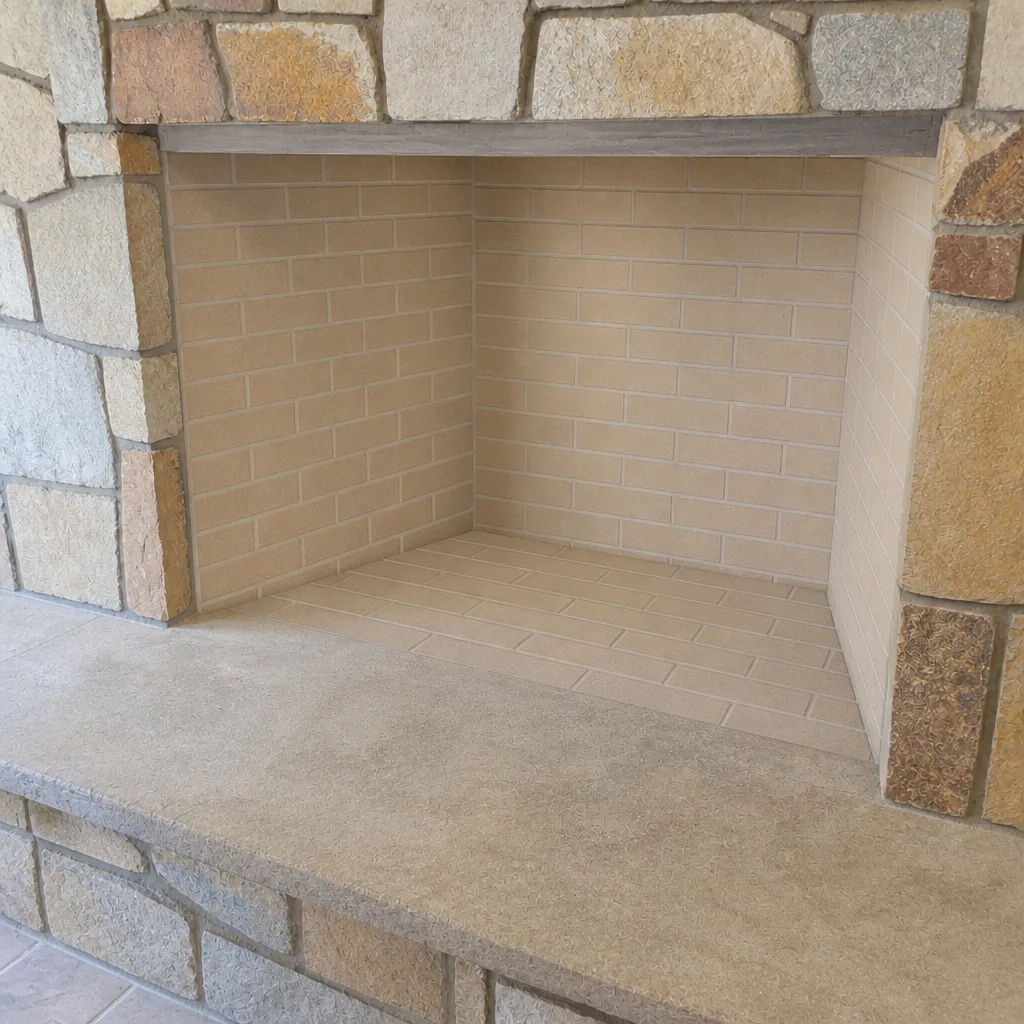
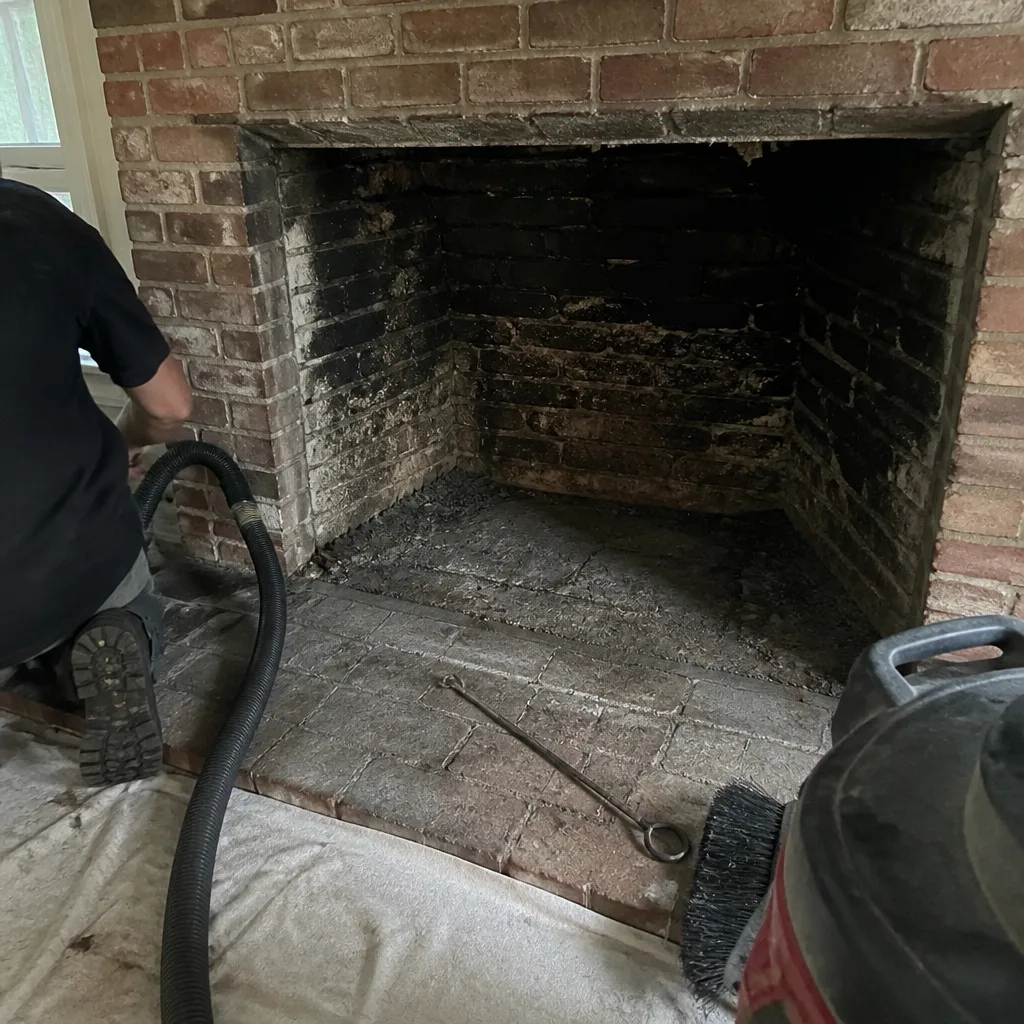
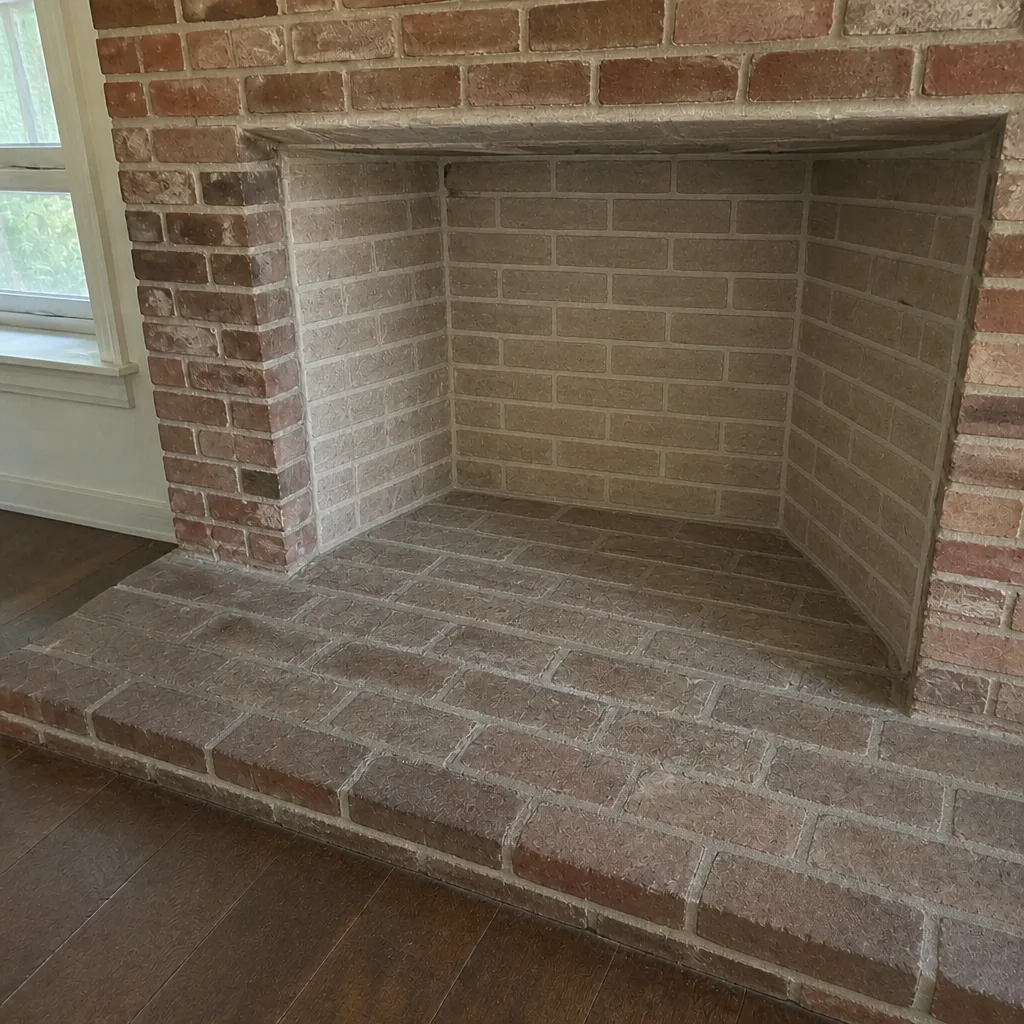
See the difference
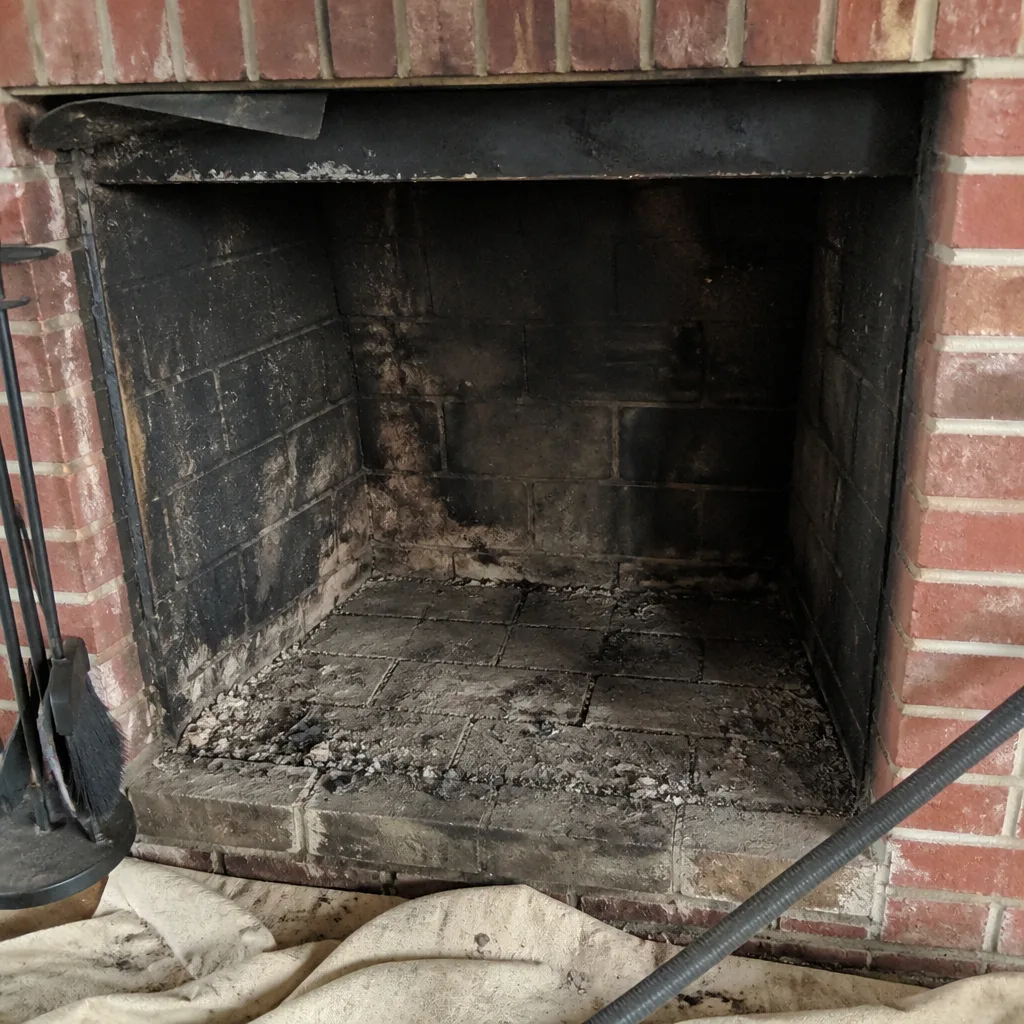 Before
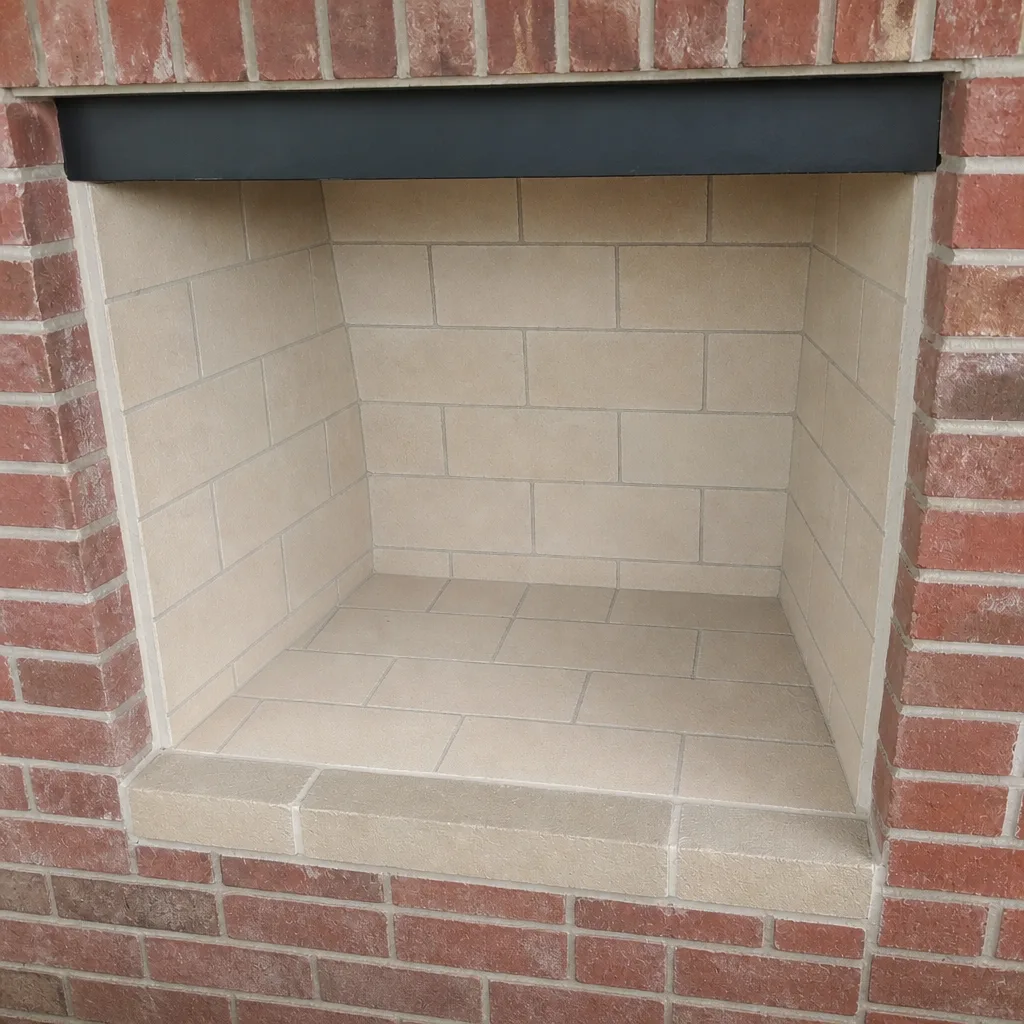 After
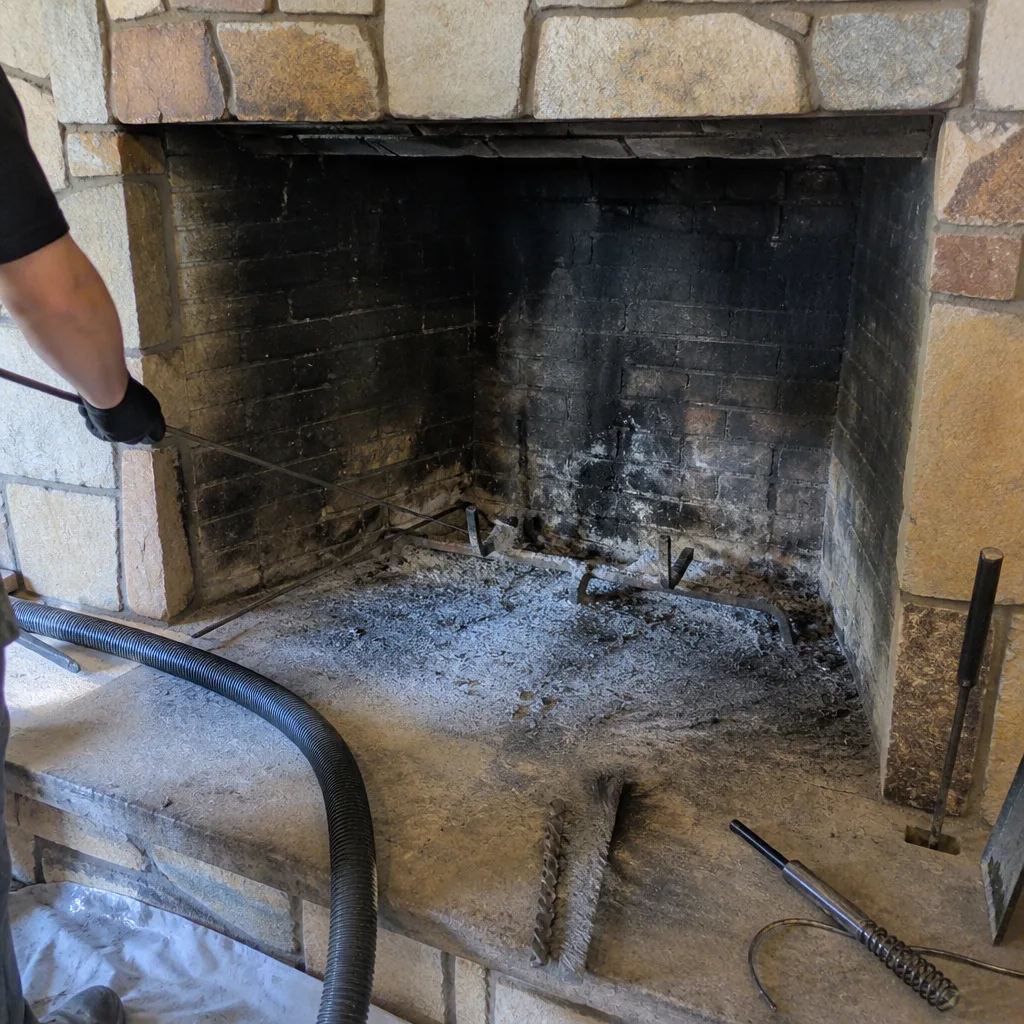 Before
 After
 Before
 After
When to Call a Professional
Call for an inspection whenever the checklist produces a signal you can’t explain: draft that changed, odor that lingers, a damper that no longer seats, or visible creosote that looks glassy rather than flaky. Call before lighting the first fire in fall for most homes, and call after the last fire in spring for the sweep and cap inspection. Call any time you’re unsure about the liner, because an owner can’t safely answer that question from the firebox. And call when summer storm season ends if the crown or masonry looks different than it did last year. Greensboro Chimney Cleaning offers free estimates in Greensboro, and we inspect the whole system before we recommend anything. We answer 24/7 and offer fast dispatch from 7am to 7pm, Sunday through Friday. Call (888) 366-5537.
Frequently Asked Questions
A routine sweep in the Greensboro area typically runs several hundred dollars, and a full inspection plus sweep or any liner repair adds to that depending on the findings. The written estimate sets the final price before any work is booked, and estimates are free. Call (888) 366-5537 for an exact quote.
A liner replacement is only justified when the camera inspection shows something you can see on the monitor yourself: cracked tiles, separated joints, or a breach that lets combustion byproducts into the masonry. If we can’t show it to you on camera, it doesn’t get recommended. Ask for the video before you approve any relining, and ask plainly whether the work can safely wait until the next season. Call (888) 366-5537 to schedule an inspection.
Once a year is the baseline for most homes here, and regular wood burning, an insert used as primary heat, or a mix of wood and fuel-burning appliances can justify more frequent visits. The climate makes the annual inspection as important as the sweep itself. Call (888) 366-5537 for a free estimate.
Creosote accumulates in the flue and, over time, raises the risk of a chimney fire, especially when it reaches the glazed stage. In a humid climate it also absorbs moisture and sits against the liner, which is what turns a slow problem into a structural one. Skipping the sweep and inspection together is where the cost multiplies. Call (888) 366-5537 to schedule.
You can clear the firebox and lightly brush the visible firebox area, but the flue, the smoke shelf, and the liner are not safe DIY territory. The work involves roof access, contained dust, and knowing what a clean flue actually looks like on a camera, and getting it wrong risks a liner breach. Book a professional sweep instead. Call (888) 366-5537 for a free estimate.
The smoke shelf is the horizontal ledge just above the damper where debris, nesting material, and moisture collect between service visits. When it’s not cleared, it restricts draft and holds moisture against the liner, and it’s the most commonly skipped step on a routine sweep. A proper service clears it. Call (888) 366-5537 to book a sweep.
The Bottom Line
A chimney maintenance checklist works when it’s built around what actually fails here: humidity-driven masonry decay, pollen and debris in the cap and smoke shelf, freeze-thaw damage to the crown after winter, and aging terra cotta liners in Greensboro’s older homes. Check the system in four phases, before the first fire, mid-season, after the last fire, and through summer storm season. Do the visual checks yourself, and hand the flue, liner, cap, and crown to a professional with cameras and professional-supply materials. Then keep the same company doing both the inspection and the repair, so nothing gets lost between the two.
If you want one call that covers the sweep, the inspection, and any repair the inspection turns up, Greensboro Chimney Cleaning handles all three. Our technicians have up to 11 years of experience working with systems from DuraFlex, HeatShield, Gelco, Olympia Chimney, Famco, and Copperfield. Learn more about what we do at Greensboro Chimney Cleaning. Call (888) 366-5537 for a free estimate. We answer 24/7, and fast dispatch runs from 7am to 7pm, Sunday through Friday.
Written by the team at Greensboro Chimney Cleaning.