
Last updated November 15, 2026
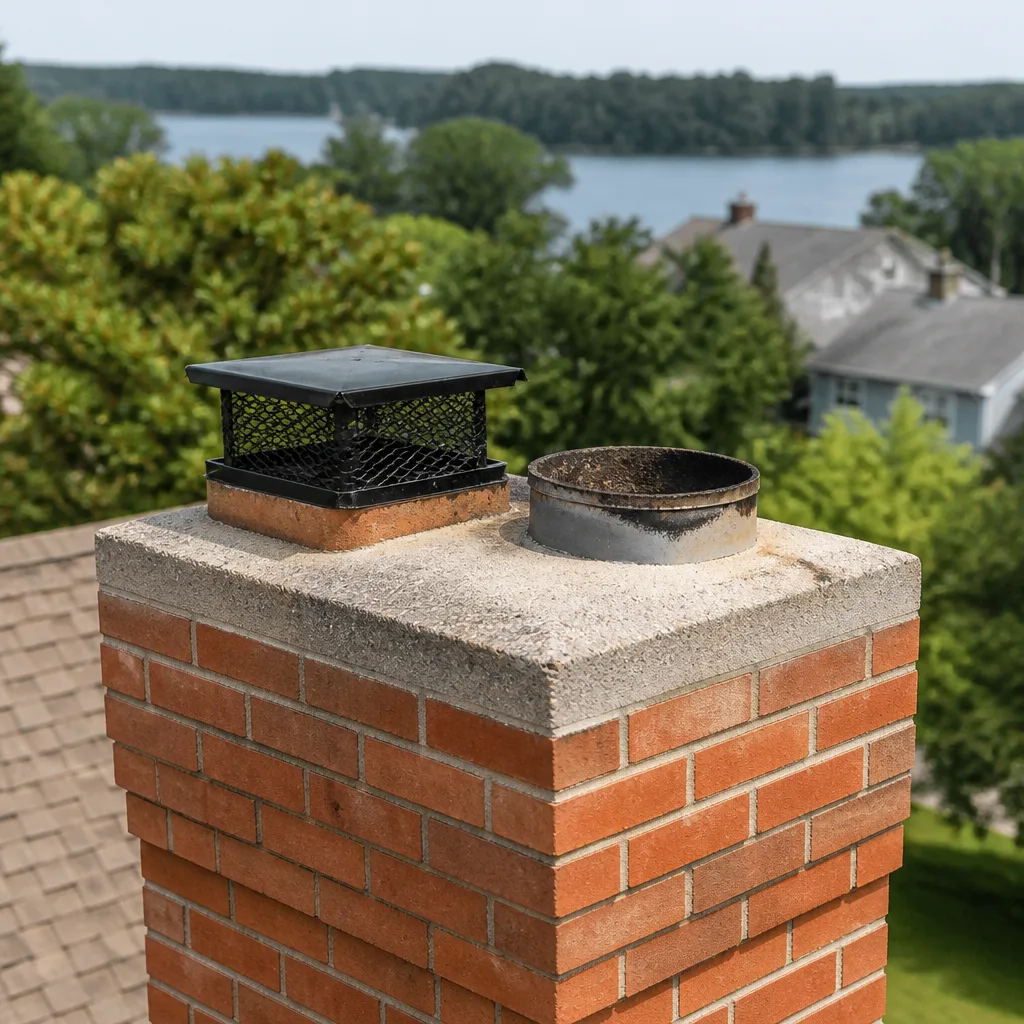 Sweep & inspection
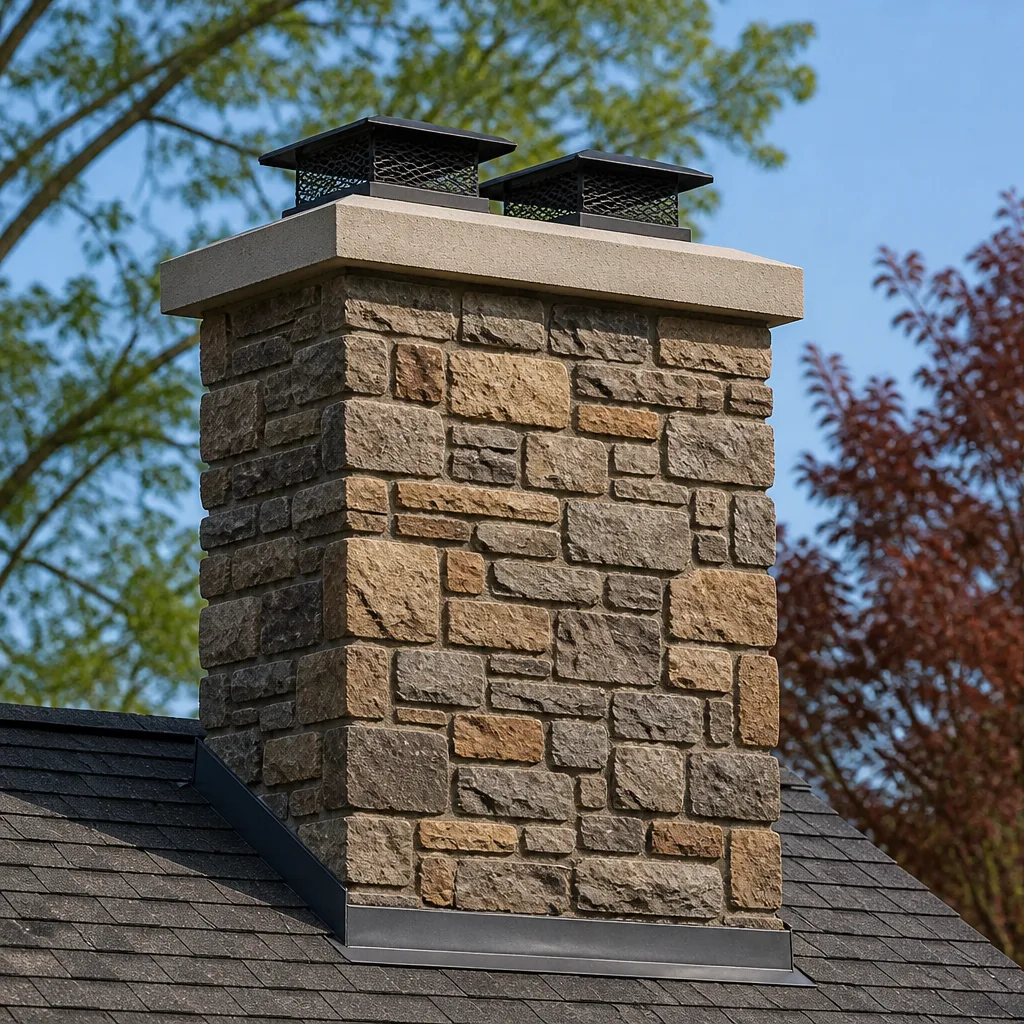 Caps & crowns
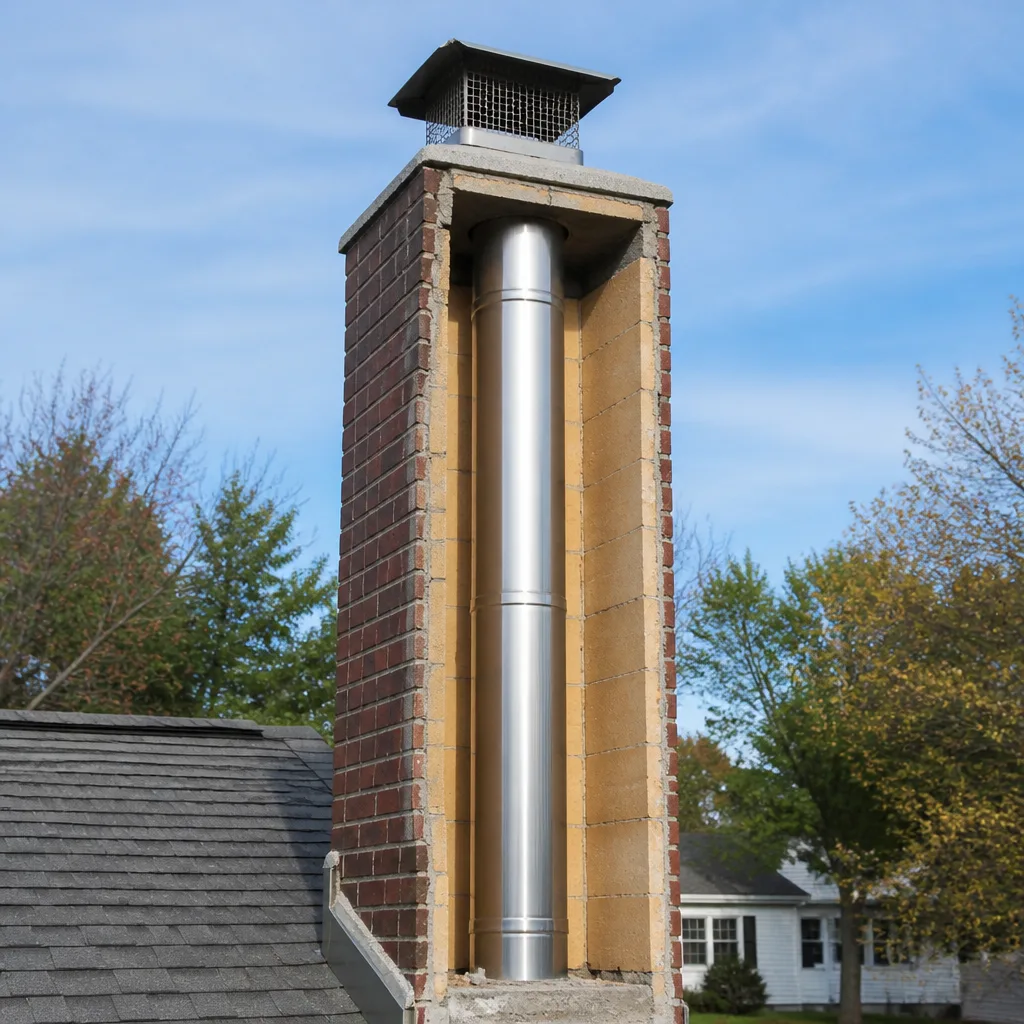 Flue relining
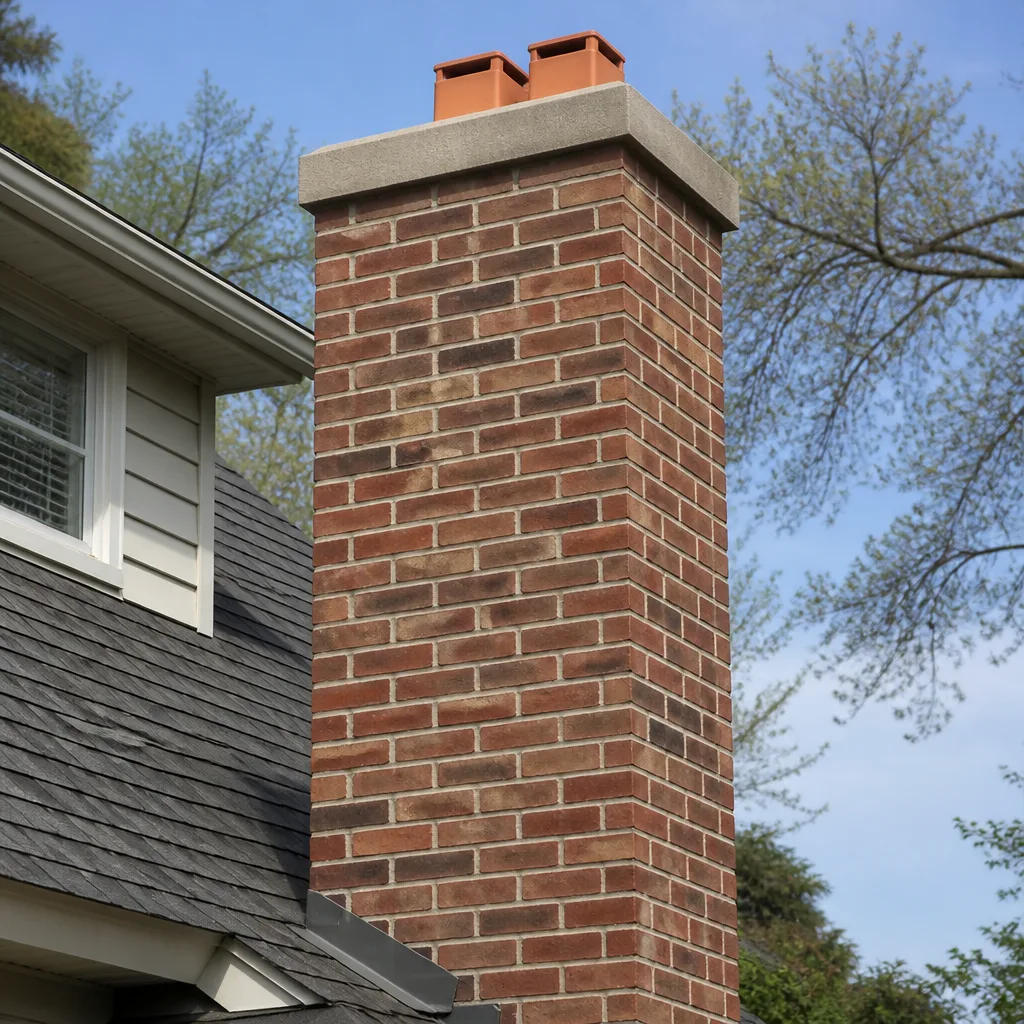 Masonry repair
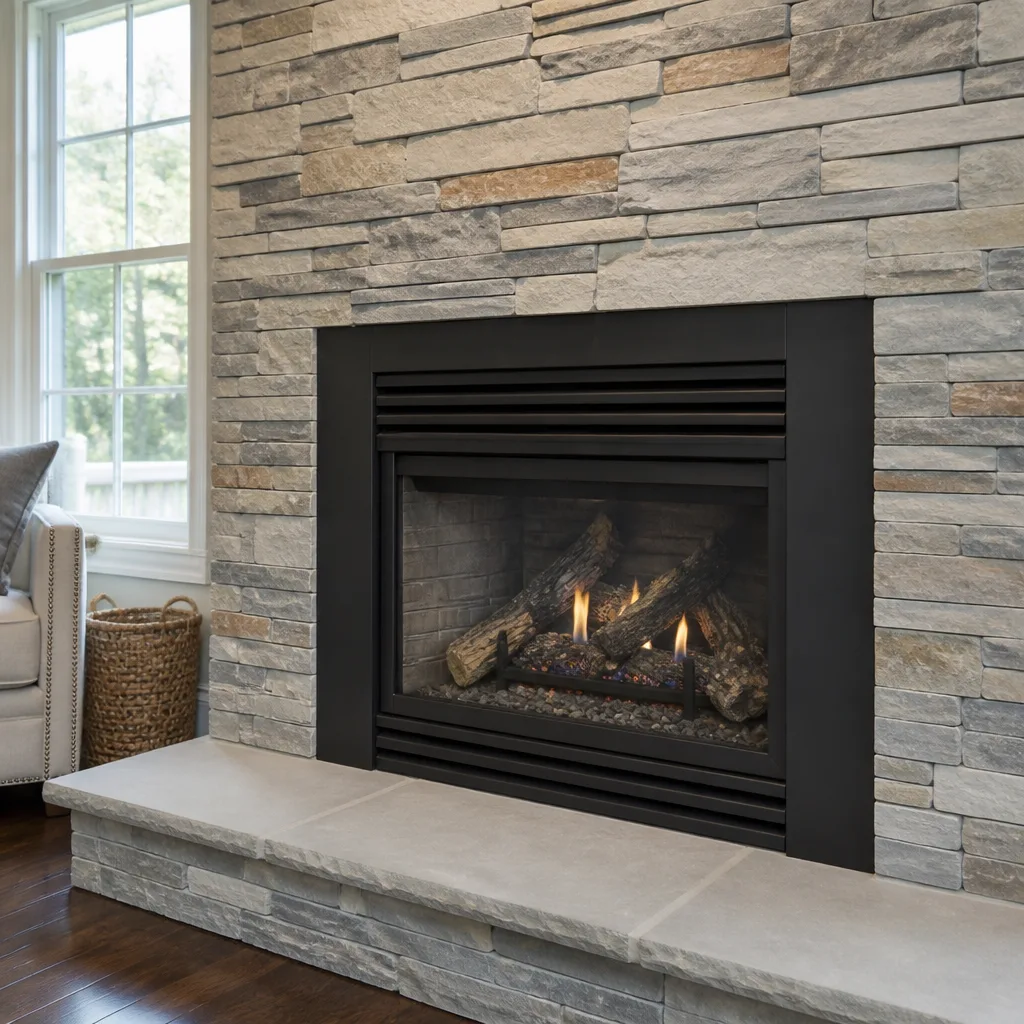 Gas fireplace service
Level 1 sweep and inspection to the NFPA 211 annual standard - flue, crown, cap, and flashing checked and photographed
Chimney sweep logs do not sweep chimneys. They loosen some creosote - which then falls where a brush and vacuum still have to collect it.
Chimney Cleaning Warning Signs: A Greensboro Homeowner’s Reference Guide
A strong smoke smell in your living room on a windy day isn’t a draft quirk. It’s a negative pressure event, and it points to a specific condition in your system: a damper that won’t seal, a liner that’s undersized for the flue, a cap that’s blocked, or a house that’s pulling harder than the chimney can push. Which one it is determines whether the fix is a simple adjustment or a reline. The trouble is that most homeowners read these signals as minor annoyances and wait, when each one actually maps to a known failure condition with a known risk level and a correct service response. This guide is our reference for reading those signals correctly in Greensboro, where a long humid summer and a short intense burn season shape how chimneys fail.
Quick Answer
Chimney warning signs fall into four groups: what you smell, what the smoke does, what you can see, and what you hear. Any of those pointing to creosote buildup, a blocked flue, or a cracked liner means stop using the fireplace until it’s inspected. Warning signs that don’t involve smoke backing into the room, a fire hazard, or carbon monoxide can usually wait for a scheduled chimney sweep.
Styles & brands we work with
- Sweep & inspection
- Caps & crowns
- Flue relining
- Masonry repair
- Gas fireplace service
Table of Contents
- The Symptom-to-Cause Map: What Each Warning Sign Actually Means
- Reading Smoke and Odor Signals
- Draft Problems: Four Causes That Look Identical
- White Staining on Exterior Brick: A Moisture Signal, Not Cosmetic
- Stop Now vs. Schedule Soon: Sorting Warning Signs by Urgency
- Zero-Clearance vs. Masonry: Different Systems, Different Warnings
- Creosote: The Warning Sign You Can’t See
- The Greensboro Burn Season and Why Timing Matters
The Symptom-to-Cause Map: What Each Warning Sign Actually Means
Every warning sign a chimney gives off corresponds to one of a small number of physical conditions. Once you know the map, you stop guessing. The list below isn’t a diagnostic tool for a homeowner to work through alone, but it does tell you what to watch for and when to stop using the fireplace.
- Smoke smell in the room on a windy day: negative pressure, a failing damper seal, an obstructed cap, or a liner that’s too small for the firebox opening.
- Smoke rolling back instead of rising: a blocked flue, a cold flue that hasn’t warmed, or a house that’s depressurized by exhaust fans and tight construction.
- Smell of stale ash on warm, humid days: creosote in the flue reacting with moisture, common in Greensboro’s summer months when the fireplace sits idle.
- White staining on exterior brick: water getting into the chimney structure, which precedes liner and firebox damage if left alone.
- Rumbling or popping sounds during a fire: a chimney fire, and the fire needs to be put out immediately.
- Debris falling into the firebox: a deteriorating liner or flue tile, or an animal nest in the flue.
- Visible black glaze inside the flue: glazed creosote, the third and most dangerous stage of buildup.
- Rust on the firebox or damper: moisture has been getting in for a while.
What makes Greensboro homeowners misread these signals is that several of them show up in spring and fall, not mid-winter. A stale smell in May is the same creosote that will cause trouble in December. If you can identify the symptom you’re seeing on this map, you’re most of the way to knowing whether it’s a quick fix or a structural problem.
Reading Smoke and Odor Signals
The type of smell matters more than its strength. A faint woodsmoke smell when the fire is burning is normal and expected. A sharp, acrid smell, or a strong smoke smell in the room when the fire is lit, is not. Here’s how we separate them.
Smoke smell that only appears on windy days
Wind-driven smoke in the room usually points to the cap or the top of the flue. Gusts push down the chimney, and if the cap is loose, damaged, or the wrong type for the flue, air enters where it shouldn’t. A wind-induced downdraft is one of the few warning signs that’s often corrected with a cap or crown adjustment rather than work inside the flue.
Smoke that rolls back on calm days
If smoke backs into the room when the air outside is still, the problem is more likely inside the system or in the house itself. Common causes are a partially blocked flue, a flue that’s too short for the fireplace opening, or a house that’s running under negative pressure from a kitchen exhaust, a clothes dryer, or a tightly sealed modern envelope. Greensboro has a lot of homes built in the last few decades with tight envelopes and mechanical ventilation, and those homes are far more prone to this than older, leakier houses.
The stale smell when nothing’s burning
That damp ash smell on a warm afternoon is the one most people shrug off. It’s creosote in the flue holding moisture, and it intensifies during Greensboro’s humid summers. If you can smell the chimney in June, the flue is telling you it needs a sweep before fall.
Draft Problems: Four Causes That Look Identical
A poorly drafting chimney presents the same way regardless of cause: smoke curling back, a lazy fire, a fireplace that won’t stay lit. In our experience, almost every draft complaint traces to one of four conditions, and only a diagnostic inspection tells you which.
- Liner sizing. A flue liner that’s too large or too small for the appliance can’t move the volume of air required for a clean burn. Many original liners are sized for the firebox opening, not for the appliance that’s actually installed, especially after a stove or insert was added. Correcting this usually means relining, and we work with DuraFlex and HeatShield systems to size the liner to the appliance.
- Cap obstruction. Soot, animal nests, leaves, or a damaged screen can block part of the cap. The fire seems to burn until it warms up, then stalls. This is one of the simplest problems to fix and one of the easiest to misdiagnose.
- Negative house pressure. Bathroom fans, kitchen exhausts, dryers, and tightly sealed houses can pull harder on the chimney than the chimney can pull on the outdoors. The tell is that the problem appears when appliances are running and disappears when they stop.
- Damper failure. A damper that doesn’t fully open, or that falls back down as the fire heats up, restricts the flue from the bottom. It’s a mechanical failure, not a structural one, but it can raise the smoke just as effectively.
Four different causes, four different fixes. This is the clearest reason to have the system inspected rather than to assume the fix is a bigger flue or a taller stack. A trained technician can isolate which condition is present and recommend the correct chimney repair without guesswork.
White Staining on Exterior Brick: A Moisture Signal, Not Cosmetic
White, chalky staining on the outside of your brick chimney is called efflorescence, and it’s not a stone finish problem. It’s a sign that water is moving through the masonry. As moisture passes through the brick and evaporates at the surface, it leaves mineral salts behind. A light dusting may simple weathering. Persistent white staining, especially at the base of the chimney or around the crown, means water has found a path in.
Why it matters before you see liner damage
Water in a chimney doesn’t just damage the bricks. It works its way into the flue, the flue tiles, the firebox, and the connection at the smoke chamber. A masonry chimney that’s been taking on water for several seasons will often show internal damage before it fails visibly. The tile joints crack, the firebox mortar softens, and a stainless liner degrades faster in a wet flue than in a dry one. Greensboro’s warm, humid summers and the heavy rain in spring push moisture into masonry faster than a colder climate would.
What to check before calling
- Look at the crown at the top of the chimney for cracks or missing pieces. A cracked crown lets water straight into the flue.
- Check for white staining at the chimney’s base, where it meets the roofline or where the chimney rises from the ground.
- Look at the flashing where the chimney meets the roof. Flashing that’s pulled away lets water run down the chimney sides.
- Look inside the firebox for rusted metal parts or crumbling mortar.
If you’re seeing efflorescence and also a stale smell when the fireplace isn’t in use, water is probably already inside the flue. That’s a good reason to book a full inspection, not just a sweep. You can reach us through the Greensboro Chimney Cleaning team for a system-wide look at what you’re seeing.
Stop Now vs. Schedule Soon: Sorting Warning Signs by Urgency
The hardest part for a homeowner is knowing which warning signs mean “put the fire out now” and which mean “call after the season.” In our experience, the distinction is actually clear once you know what to look for.
Warning signs that require stopping use now
- Smoke backing into the room on a steady basis, not just when the fire is first lit.
- A rattling, roaring, or popping sound during a fire.
- A carbon monoxide alarm going off (leave the house and call 911 first).
- Visible glazed, glassy creosote inside the flue.
- Flue tiles that are cracked or missing, or debris falling into the firebox.
- The smell of smoke in rooms other than the one with the fireplace.
A carbon monoxide alarm is the one exception that isn’t a chimney call at all in the first instance. Get everyone out of the house and call emergency services. Once the house is safe, a chimney inspection tells you whether the source is the flue.
Warning signs that call for scheduling soon
- Stale ash smell when the fireplace isn’t in use.
- Efflorescence on the exterior brick.
- A smoky odor that only appears on windy days.
- Soot deposits on the fireplace glass, if you have a glass-door insert.
- Rust on the damper or firebox components.
None of these is a reason to panic. They’re reasons to get on the schedule, and in Greensboro they’re a reason to do that before the burn season starts rather than in January when everyone else has started calling.
Zero-Clearance vs. Masonry: Different Systems, Different Warnings
Prefabricated zero-clearance fireplaces and masonry fireplaces fail differently, and the warning signs aren’t interchangeable. Greensboro has a lot of both. If you’re not sure which one you have, look at the firebox: a zero-clearance unit usually has a metal firebox with a manufacturer’s rating plate, while a masonry firebox is brick or stone.
Zero-clearance fireplaces: what to watch
- Cracked or damaged firebox panels. The refractory panels inside a zero-clearance firebox protect the metal shell. Cracks let heat reach the shell.
- A loose or missing glass door assembly. Doors on these units are part of the combustion system, not decoration.
- A bypassing or stuck damper. The damper on many zero-clearance units is mechanically simple, and a damper that sticks can be the whole draft problem.
- The liner itself. Zero-clearance units vent through a specific factory liner. If someone replaced it with a generic liner or a damaged one, the unit is no longer operating as designed.
Masonry fireplaces: what to watch
- White staining on the exterior, as described above. Masonry is far more vulnerable to water intrusion.
- Cracked flue tiles. This is the most common serious masonry finding we see.
- Deteriorated mortar in the firebox. A firebox that has lost mortar joints is holding fire in a box with gaps.
- A deteriorated smoke chamber. The sloped area above the damper needs to be smooth to prevent turbulence. A rough smoke chamber is a common cause of smoke smell at the top of the firebox.
The product that corrects a masonry smoke chamber is often HeatShield, which is designed for resurfacing the flue and chamber surfaces rather than replacing the whole system. On zero-clearance units, the correct response is usually liner replacement, and DuraFlex is the product line we most often work with. If you’re unsure which system you’re running, that’s worth having inspected rather than guessed at. Full-property Greensboro homes can have both, and the right answer depends on which unit is showing the warning sign.
Creosote: The Warning Sign You Can’t See
Creosote is the byproduct of incomplete combustion that accumulates inside the flue. It goes through three stages, and only the third is a fire hazard the homeowner can usually see. Each stage has a different warning sign and a different service response.
- Stage 1: soot and flaky powder. This is the early accumulation. The warning sign is often a stale smell when the fireplace isn’t in use. Sweeping is the correct response.
- Stage 2: hard, crusty deposits. The creosote has bonded to the flue wall. Warning signs include a smoky odor on warm days and a slower draft. Sweeping still works, but it takes more effort and possibly a chemical treatment.
- Stage 3: glazed, glossy creosote. The creosote is now a fuel source that can ignite at low temperatures. Warning signs include a roaring sound during the fire, visible glaze inside the flue, and a strong, sharp smell. Stage 3 requires immediate service and possibly a chemical sweep or liner evaluation before the fireplace can be used again.
The most important thing about creosote is that it isn’t visible to the homeowner unless you’re specifically looking inside the flue. If you burn unseasoned wood, if you close the damper too early, or if the fire runs cool, you can build creosote quickly without any warning sign beyond the smell. That’s why chimney sweeps are measured in flue volume and burn hours, not in years.
The Greensboro Burn Season and Why Timing Matters
Greensboro’s climate affects when chimney problems show up and how quickly they develop. The summer humidity accelerates that stale-ash smell and speeds moisture damage in masonry. The burn season in the Piedmont is generally shorter and more intense than in colder markets, which means the creosote load happens in a smaller number of burning months. A fireplace that burned two cords of wood in a twelve-week window has the same creosote load as one that burned two cords over five months in a colder climate.
Practically, this means the right time to schedule a sweep or inspection in Greensboro is late summer or early fall, before the first cold snap sends the rest of the neighborhood looking for a technician. Warning signs that appeared during spring and summer – the stale smell, the white staining, the smoke smell on windy days – are the same things that will be harder to schedule around once the burn season starts.
Winter is not the time to discover you need a reline. If your warning signs are already visible, schedule the inspection now and get the diagnosis before the urgency is imposed on you by the calendar.
Common Mistakes to Avoid
- Treating a smoky smell as “just a draft quirk.” A sharp smoke smell in the room is a specific signal, and diagnosing the cause early is usually cheaper than waiting. The difference between a $50 damper adjustment and a liner repair often comes down to how early you called.
- Ignoring white staining on exterior brick. It’s a moisture signal, not cosmetic weathering. Efflorescence that’s left alone eventually shows up as a cracked liner or a soft firebox.
- Burning unseasoned wood to save money. Green wood and softwoods burn cool and produce more creosote. The savings on firewood can be spent on a chemical sweep later.
- Skipping the inspection because the sweep looks fine. The sweep cleans the flue; the inspection checks the liner, cap, crown, flashing, and smoke chamber. They’re different services, and both matter.
- Assuming zero-clearance units need no service. Prefabricated fireplaces have liners, dampers, and refractory panels that fail. Their failure modes are different, not fewer.
- Hiring a general handyman for chimney work. Chimney work involves specific product systems – HeatShield and DuraFlex for liners, Famco and Copperfield for components, Olympia Chimney for venting – that general contractors don’t stock or install. The wrong material in a flue is a safety issue, not a cosmetic one.
- Waiting until the first cold snap to call. Greensboro’s burn season concentrates creosote production and concentrates the demand for service. Book inspections and sweeps before the season, not during it.
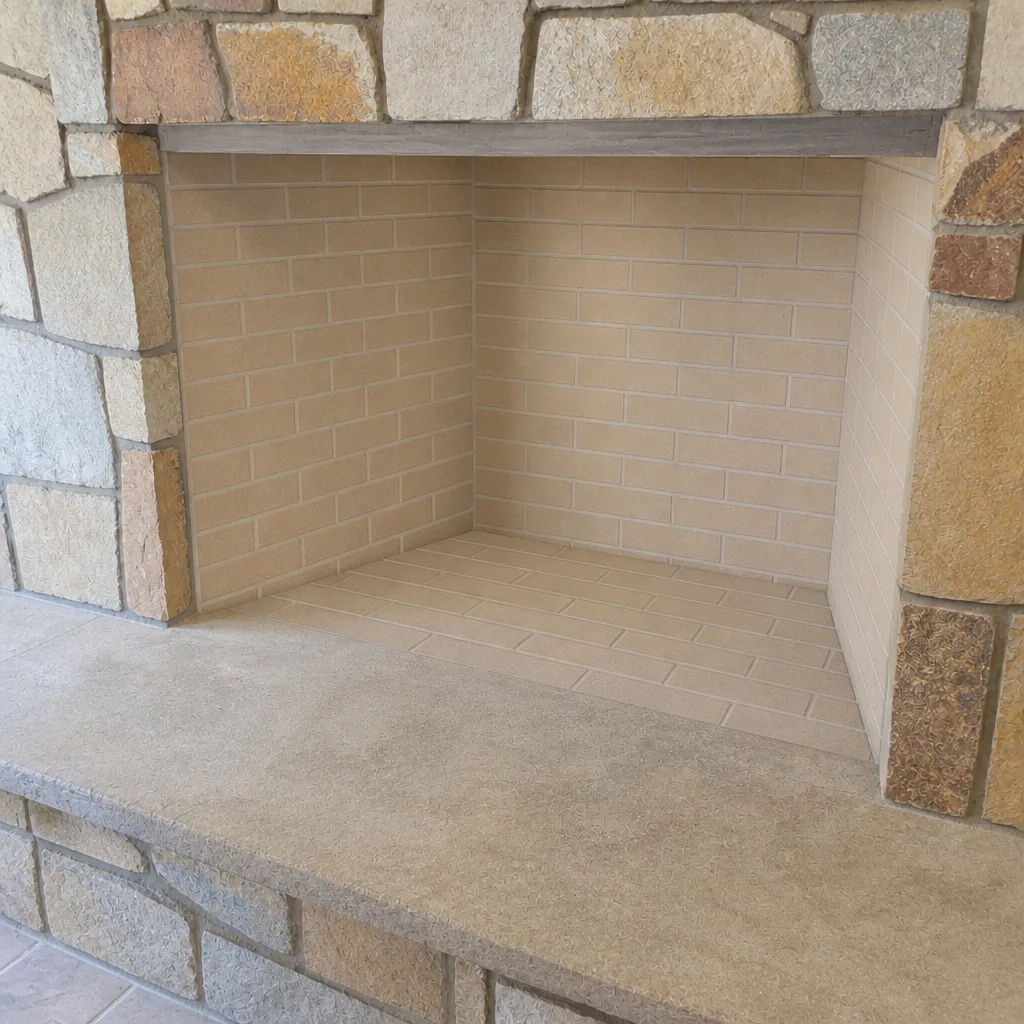
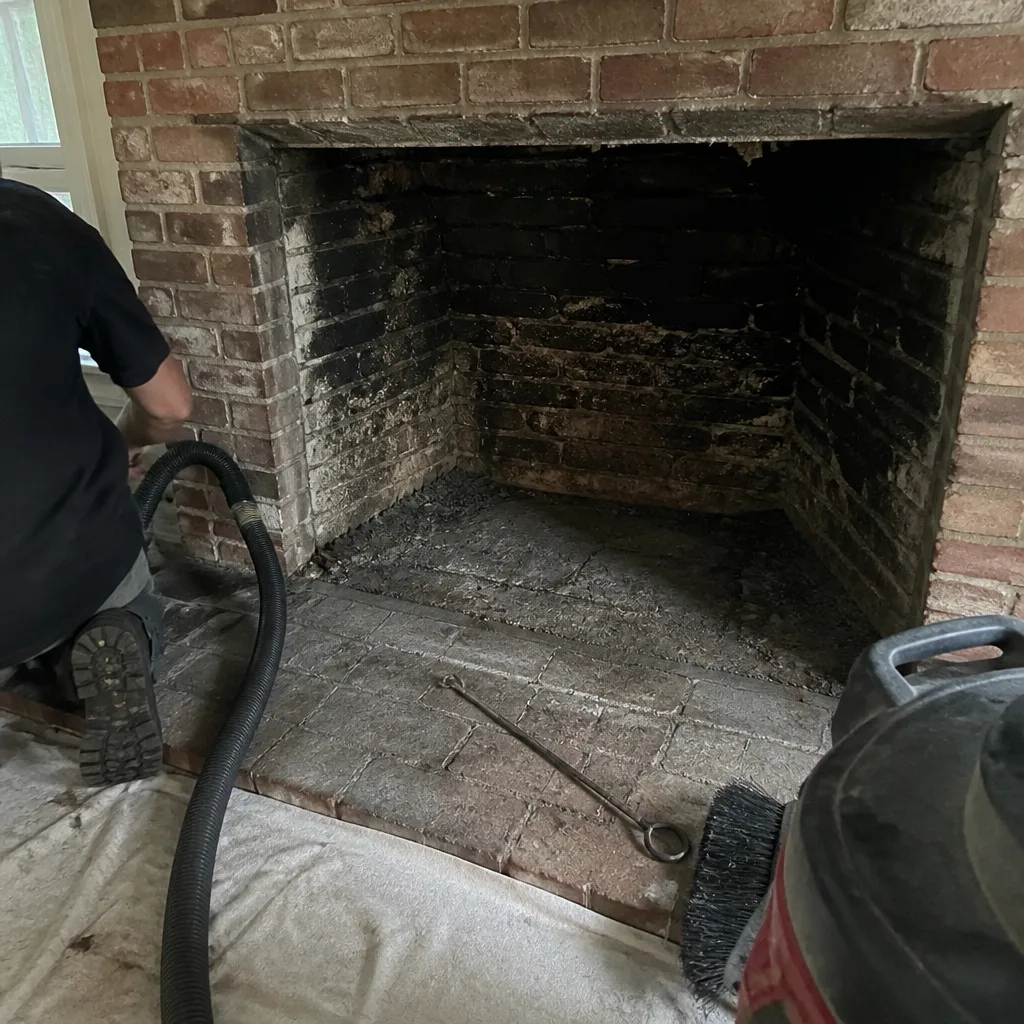
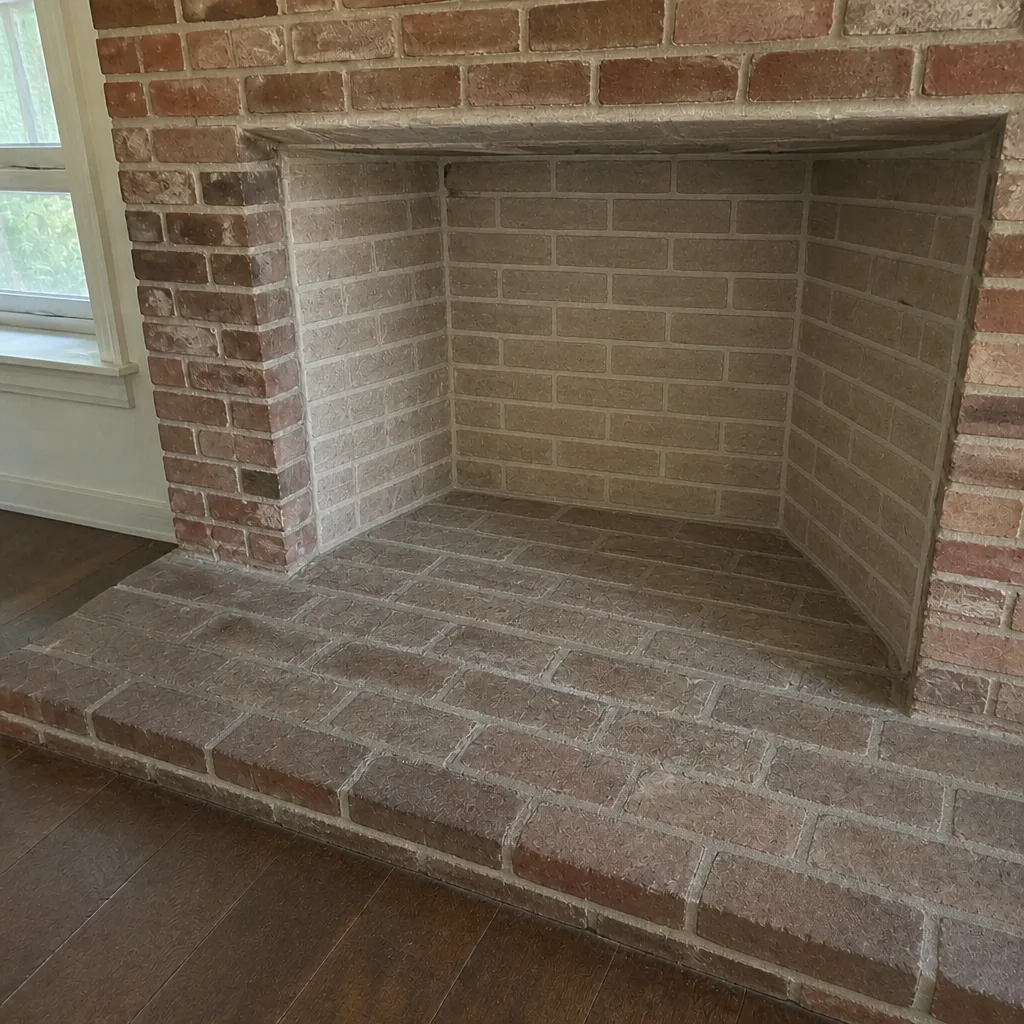
See the difference
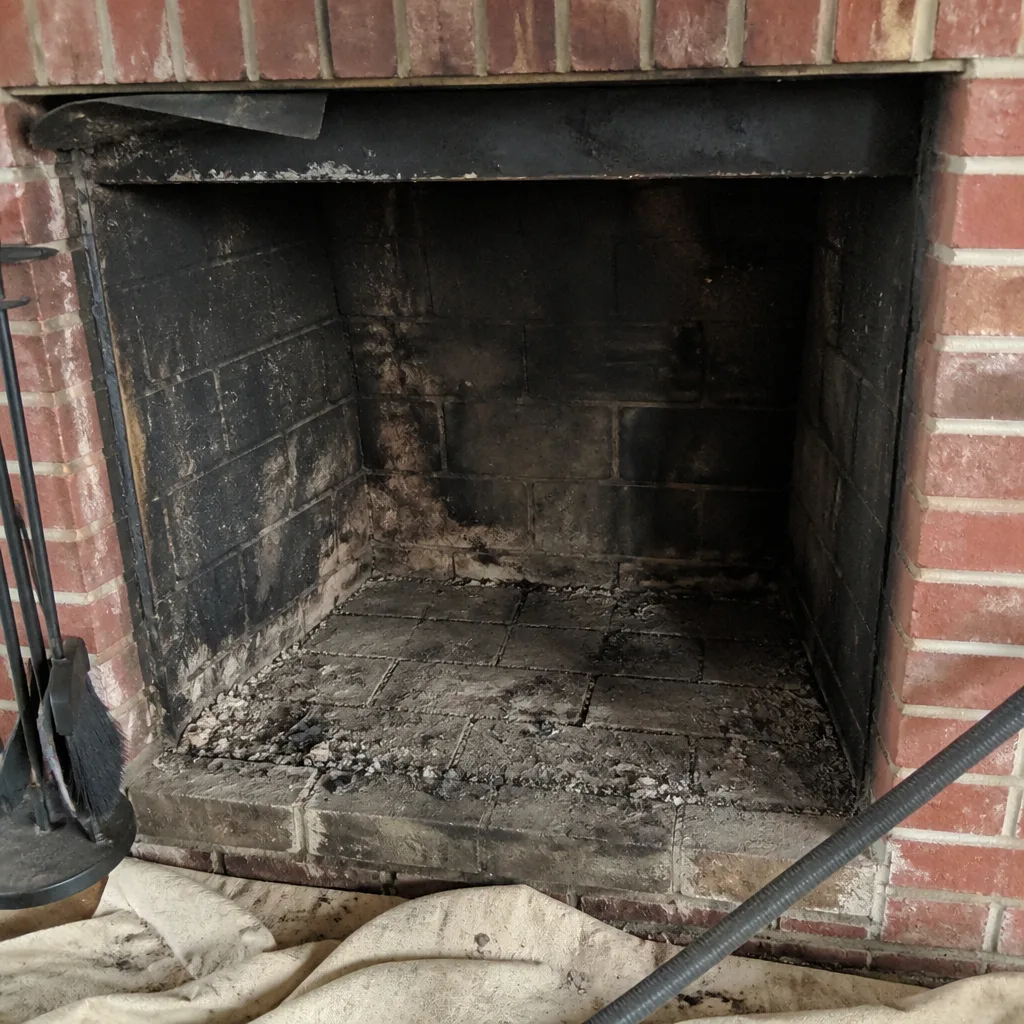 Before
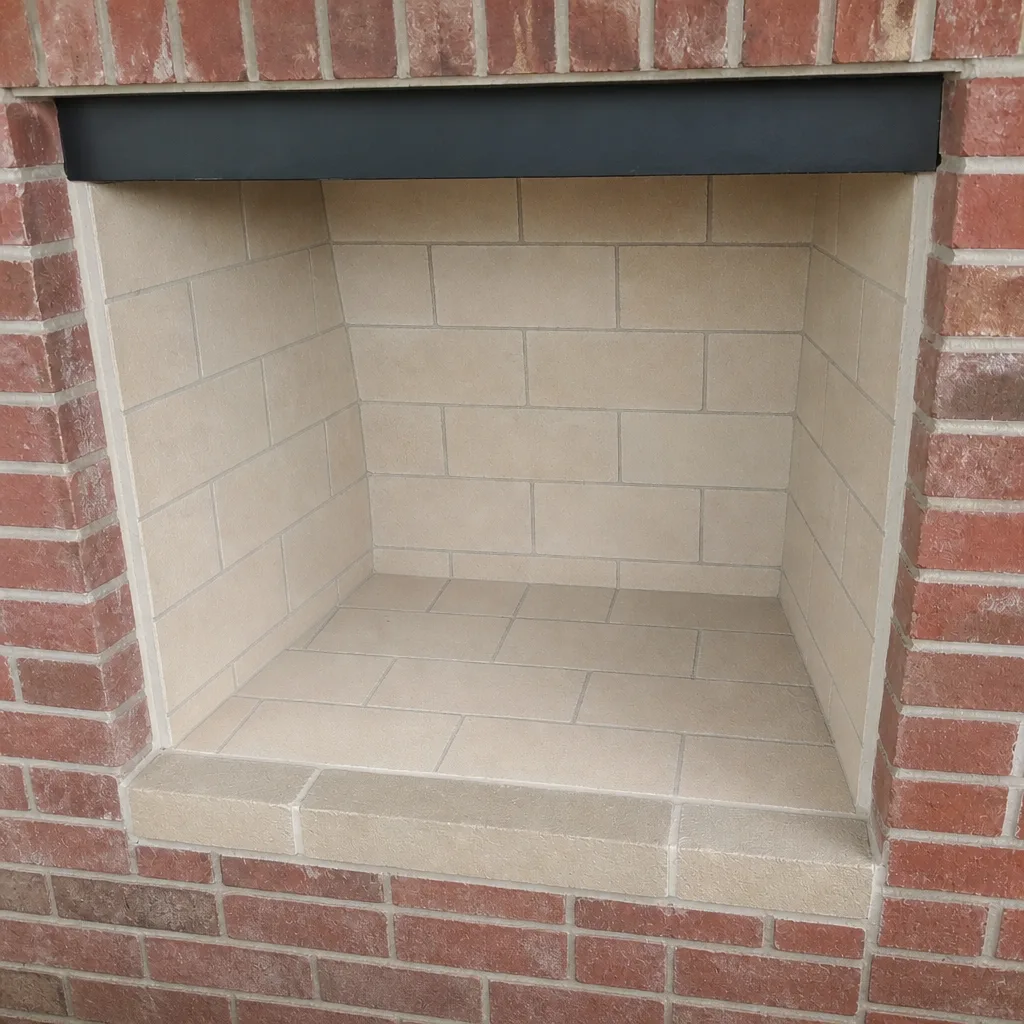 After
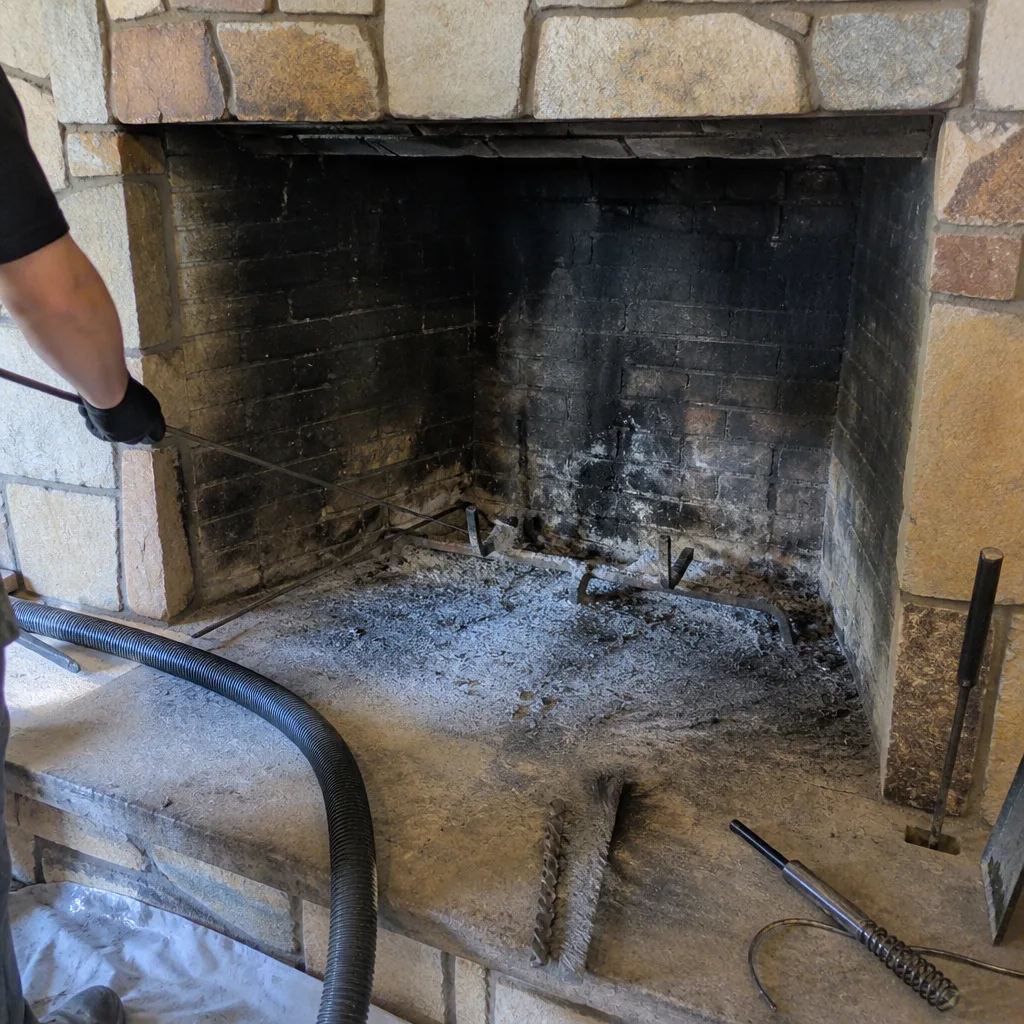 Before
 After
 Before
 After
When to Call a Professional
Call a professional whenever a warning sign involves fire in an unexpected place, smoke where it shouldn’t be, or carbon monoxide. That includes smoke backing into the room on a steady basis, a roaring or popping sound during a fire, a carbon monoxide alarm, visible glazed creosote, or debris falling into the firebox. Also call when the fireplace simply won’t draft and you’ve ruled out the obvious – a closed damper, a cold flue, a wet log. The four draft causes we listed earlier can’t be distinguished by a homeowner with a flashlight, but they can be diagnosed with an inspection camera and a trained eye. Greensboro Chimney Cleaning offers free estimates in Greensboro. Call (888) 366-5537. We answer 24/7, and fast dispatch runs from 7am to 7pm, Sunday through Friday.
Frequently Asked Questions
The most common signs we see in Greensboro homes are a stale ash smell when the fireplace isn’t in use, smoke smell on windy days, white staining on exterior brick, and soot on the glass of glass-door fireplaces. The stale ash smell is the one most often ignored and is usually the first sign of creosote accumulation. Call (888) 366-5537 for a free estimate on a sweep or inspection.
No, but it’s always worth investigating. A smoke smell in the room can come from a damper that doesn’t seal, an obstructed cap, a liner sized wrong for the appliance, or a house running under negative pressure from exhaust fans. An inspection isolates which one is present. Call (888) 366-5537 to book an inspection.
Not necessarily, but it means water is entering the chimney and the liner should be checked. White staining (efflorescence) indicates moisture is moving through the masonry. The faster the water source is found and the crown, flashing, or brick is corrected, the less likely it is that the liner has already been damaged. Call (888) 366-5537 to have the whole system assessed before scheduling liner work.
A chimney should be swept whenever there’s a quarter inch of soot or creosote on the flue walls, which is a flue-volume and burn-hour measure rather than a calendar measure. Most Greensboro homeowners burning fireplaces through the season fall into an annual sweep rhythm, and homes that burn more or burn unseasoned wood need it more often. Call (888) 366-5537 for an exact recommendation for your system.
A sweep removes soot and creosote from the flue, while an inspection evaluates the liner, cap, crown, flashing, firebox, and smoke chamber for condition and safety. A sweep without an inspection cleans a flue that may already be cracked, and an inspection without a sweep evaluates a dirty flue that’s harder to read. We recommend both together when there are warning signs present. Call (888) 366-5537 to book both in one visit.
Zero-clearance fireplaces need the same categories of service – sweep, inspection, and repair – but the warning signs and fixes differ. Zero-clearance units have metal fireboxes, factory-rated liners, and refractory panels that fail in specific ways. Masonry systems are more vulnerable to water intrusion and cracked flue tiles. The right service depends on which system you have. Call (888) 366-5537 for a system-specific estimate.
The Bottom Line
Chimney warning signs are specific, not vague. The stale ash smell in summer, the smoke smell on windy days, the white staining on exterior brick, the roaring sound during a fire – each one maps to a known condition with a known cause and a known service response. The trick is reading them correctly and acting on the ones that are urgent before they become structural. Most homeowners in Greensboro will see at least one of these signs between seasons, and the right move is almost always to book an inspection rather than to wait and see. If any sign on this list matches what you’re seeing, call Greensboro Chimney Cleaning at (888) 366-5537 for a free estimate. We answer 24/7. Fast dispatch from 7am to 7pm, Sunday through Friday.
Written by the team at Greensboro Chimney Cleaning.